Paddle padel, a dynamic and increasingly popular racquet sport, is rapidly gaining global traction. Originating in Mexico, it uniquely blends elements of tennis, squash, and badminton, creating a fast-paced, accessible, and socially engaging activity. Its relative ease of learning, coupled with the enclosed court design which minimizes wind interference, contributes to its broad appeal. This surge in popularity highlights a demand for innovative recreational activities and community-building opportunities.
The global relevance of paddle padel is underscored by its exponential growth across Europe, South America, and increasingly, North America and Asia. The International Padel Federation (FIP) estimates over 20 million active players worldwide, with a significant year-on-year increase in the number of registered clubs. This growth isn't merely recreational; it's impacting sports tourism, facility development, and even urban planning. The FIP, alongside governing bodies like the World Padel Tour, are working to standardize rules and promote the sport globally, aligning with broader initiatives to increase participation in sport and physical activity (as championed by organizations like the World Health Organization).
A key challenge the rise of paddle padel addresses is the need for adaptable and inclusive sporting options. Traditional racquet sports often require significant skill and physical conditioning, presenting barriers to entry. Paddle padel’s simplified techniques, combined with the social dynamic fostered by the enclosed court, make it far more accessible to a wider demographic. Furthermore, the relatively small court size allows for efficient use of space, making it feasible to construct facilities in urban environments where land is at a premium.
The Foundations of Paddle Padel
The origins of paddle padel can be traced back to 1969 in Acapulco, Mexico, created by Enrique Corcuera. Initially designed as a simplified version of tennis for families, it rapidly evolved into a competitive sport with unique characteristics. These characteristics, primarily the use of glass and mesh walls, fundamentally alter the gameplay, introducing strategic rebounding and dynamic court coverage that differentiate it from its tennis origins.
Understanding the historical development of paddle padel is crucial for appreciating its current momentum. Its relatively recent expansion, particularly in Europe over the last two decades, demonstrates its adaptability and the growing appeal of its accessible, social, and challenging nature. Early adoption was spurred by Spanish players and clubs, establishing a strong foundation for its subsequent global spread.
Defining Paddle Padel: Sport and Social Impact
Paddle padel is a racquet sport played on an enclosed court, typically smaller than a tennis court, surrounded by walls that are an integral part of the game. Players use solid, perforated racquets to hit a rubber ball, aiming to bounce it twice within the opponent’s court. The use of the walls allows for strategic play, extending rallies and demanding a high degree of tactical awareness.
Its connection to modern societal needs lies in its promotion of physical activity, social interaction, and inclusivity. In an era marked by sedentary lifestyles and increasing social isolation, paddle padel provides a compelling alternative – a sport that’s both physically demanding and inherently social. The enclosed court facilitates interaction and teamwork, fostering a sense of community among players.
Furthermore, the relative affordability and ease of constructing paddle padel courts compared to traditional tennis facilities make it an attractive option for communities seeking to enhance recreational infrastructure. Its adaptability to various spaces, from dedicated sports centers to repurposed urban areas, expands access to sporting opportunities.
Core Components of Paddle Padel Excellence
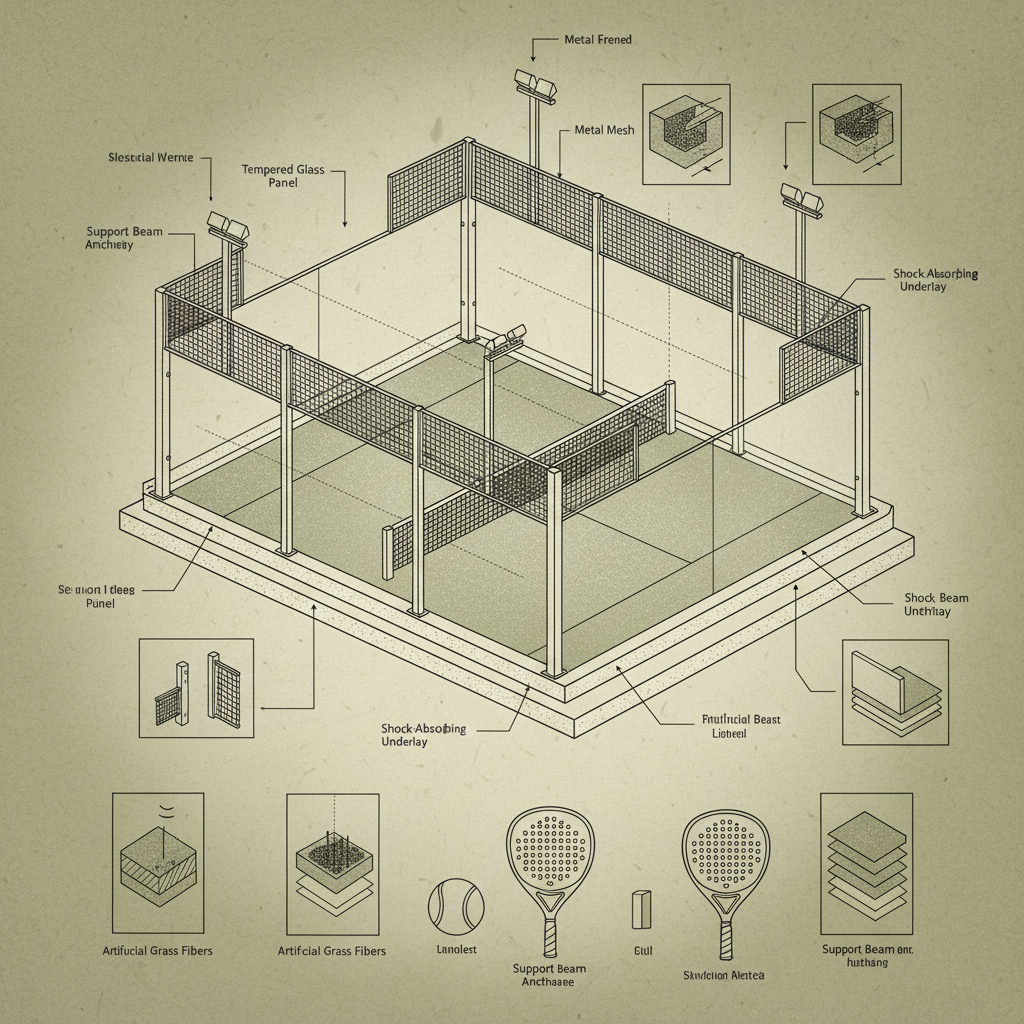
Several core components contribute to the effectiveness and appeal of paddle padel. Court Construction is paramount; the standardized dimensions, glass and mesh wall composition, and quality of the synthetic turf surface directly impact gameplay and player safety. Ensuring adherence to FIP guidelines is crucial for establishing consistent playing conditions.
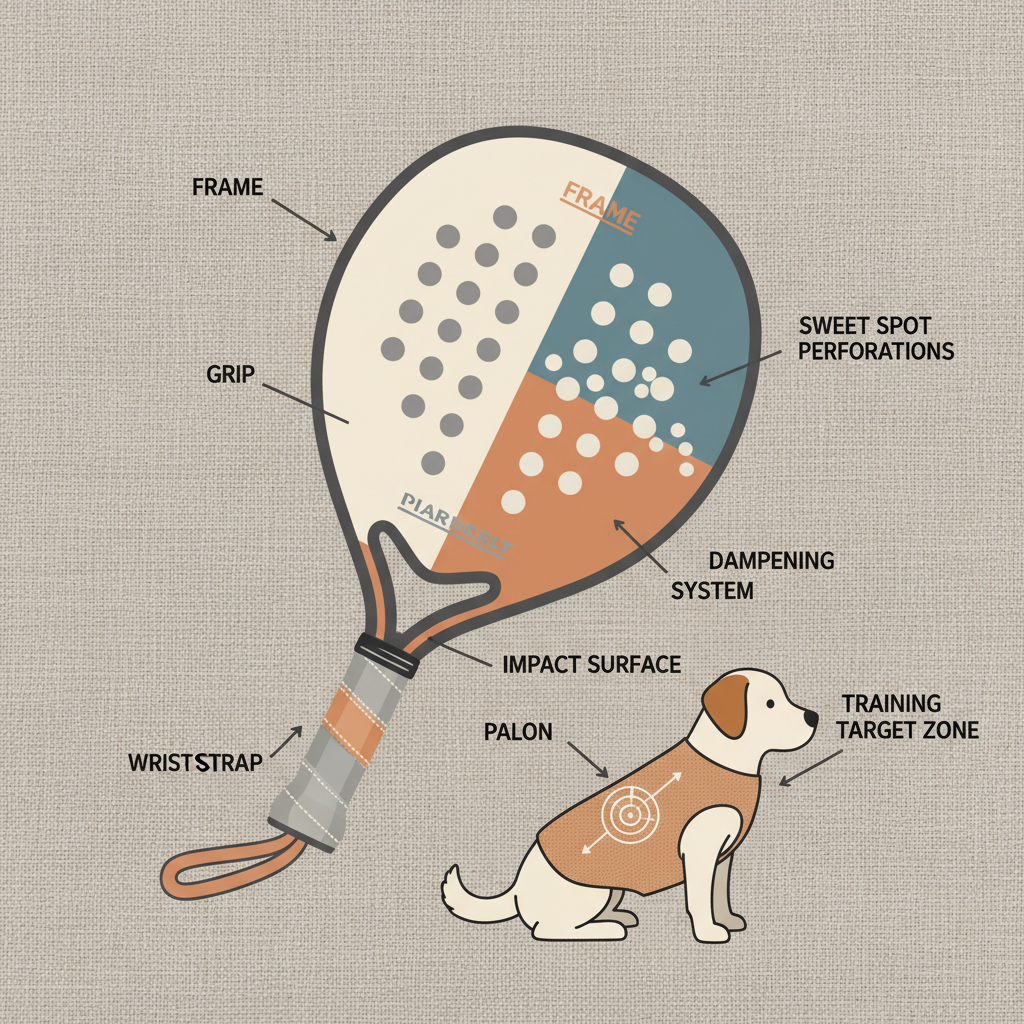
Racquet Technology plays a significant role. Modern paddle padel racquets utilize advanced materials like carbon fiber and fiberglass, optimized for power, control, and comfort. Variations in racquet shape, weight, and balance cater to different playing styles. Selecting the right racquet is vital for maximizing performance and minimizing the risk of injury.
Strategic Gameplay is central to success in paddle padel. Mastering techniques like the ‘bandeja’, ‘vibora’, and ‘lob’ allows players to utilize the walls effectively, creating angles and forcing errors. The ability to adapt to changing court conditions and opponent tactics is essential.
Paddle Padel: Global Reach and Diverse Applications
Paddle padel's applications extend far beyond recreational leagues and competitive tournaments. In Spain, it’s become a mainstream sport, with thousands of clubs and a thriving professional circuit. Argentina is another stronghold, boasting a passionate player base and numerous high-quality facilities. The sport is also experiencing rapid growth in Italy, France, Portugal, and Sweden.
Within the tourism sector, paddle padel facilities are becoming increasingly attractive to visitors, providing a unique and engaging activity. Hotels and resorts are incorporating courts to cater to the growing demand from paddle padel enthusiasts. This integration is particularly evident in coastal regions and tourist hotspots.
Paddle Padel Club Growth (2018-2023)
The Advantages of Paddle Padel: A Long-Term Investment
The benefits of investing in paddle padel infrastructure and promoting its adoption are numerous. From a cost perspective, constructing a paddle padel court is significantly cheaper than building a tennis court, requiring less land and simpler materials. This makes it an accessible option for a wider range of communities and organizations.
Sustainability is another key advantage. Paddle padel courts typically require less maintenance than traditional courts, reducing water consumption and the need for chemical treatments. The use of durable materials contributes to the longevity of the facility, minimizing the environmental impact.
Future Trends and Innovations in Paddle Padel
The future of paddle padel is poised for exciting developments. Innovations in racquet materials, focusing on enhanced power and control, are continually emerging. Smart court technology, incorporating sensors and data analytics to track player performance and provide real-time feedback, is also gaining traction.
Digital platforms are revolutionizing access to paddle padel, with online booking systems, virtual coaching, and live streaming of tournaments becoming increasingly popular. The integration of these technologies will further enhance the player experience and broaden the sport’s appeal.
The incorporation of sustainable materials into court construction is another significant trend, aligning with a growing global focus on environmental responsibility. Research and development are focused on creating eco-friendly surfaces and wall materials.
Challenges and Solutions in Paddle Padel Development
Despite its rapid growth, paddle padel faces several challenges. Standardization of court dimensions and playing rules remains an ongoing process, with variations existing across different regions. Ensuring consistent quality and fair competition requires greater harmonization.
Another challenge is the potential for overuse injuries, particularly related to the dynamic movements and repetitive strains inherent in the game. Promoting proper warm-up routines, technique training, and injury prevention strategies is crucial.
A solution lies in increased collaboration between governing bodies, manufacturers, and coaches to develop standardized training programs and safety guidelines. Investing in research to optimize racquet technology and court surfaces can also mitigate the risk of injuries and enhance player performance.
Addressing Key Challenges in Paddle Padel Development
| Challenge Area |
Current Status |
Proposed Solution |
Impact Level (1-10) |
| Rule Standardization |
Variations exist across federations |
FIP-led unified rulebook adoption |
8 |
| Court Quality Control |
Inconsistent court surfaces |
Mandatory FIP court certification |
7 |
| Player Injury Prevention |
Rising injury rates |
Promote certified coaching and warm-up protocols |
9 |
| Facility Accessibility |
Limited public access |
Public-private partnerships for court development |
6 |
| Global Marketing & Awareness |
Uneven global recognition |
FIP-led international marketing campaigns |
7 |
| Sustainable Court Materials |
Predominantly non-eco-friendly materials |
Incentivize use of recycled and sustainable materials |
5 |
FAQS
Paddle padel differs significantly from tennis in several key aspects. Firstly, it’s played on an enclosed court with glass and mesh walls that are actively used during play. Secondly, paddle padel racquets are solid and perforated, unlike the strung racquets used in tennis. The smaller court size and the ability to utilize the walls make paddle padel a more strategic and accessible game, requiring less power and more precision than tennis. It also fosters a more social and interactive style of play due to the constant use of the surrounding walls.
Yes, paddle padel is generally considered easier to learn than tennis. The smaller court size, simpler racquet technique, and the use of the walls make it more forgiving for beginners. Players can quickly enjoy rallies and experience success without requiring years of dedicated training. However, mastering advanced techniques and strategies does require practice and coaching. Many beginners find it easier to pick up than traditional racquet sports.
Paddle padel provides a full-body workout, improving cardiovascular health, agility, strength, and endurance. The dynamic movements and constant changes in direction enhance reflexes and coordination. The enclosed court demands quick reactions and strategic thinking, providing a great mental workout as well. It is a low impact sport that is easy on the joints.
The cost of building a paddle padel court varies depending on materials, location, and installation costs. However, it is generally significantly less expensive than building a tennis court. A basic outdoor court can range from $20,000 to $40,000, while an indoor court can range from $40,000 to $80,000. Ongoing maintenance costs are also relatively low compared to other court sports.
Paddle padel requires specific equipment. You will need paddle padel racquets (solid and perforated), paddle padel balls (slightly less pressurized than tennis balls), and athletic shoes with good grip for the synthetic turf surface. Comfortable athletic clothing that allows for a full range of motion is also recommended. Safety glasses are also advisable for protecting your eyes.
Finding paddle padel courts near you is easy! You can use online court booking platforms such as PlayPadel, Global Padel, or check the International Padel Federation (FIP) website for affiliated clubs in your region. Search online using keywords like "paddle padel clubs near me" or "paddle padel courts [your city]". Many gyms and sports centers are also beginning to incorporate paddle padel courts into their facilities.
Conclusion
Paddle padel stands out as a rapidly growing sport with a compelling combination of accessibility, social engagement, and physical benefits. Its unique gameplay, fostered by the enclosed court and specialized equipment, creates a dynamic and strategic experience for players of all skill levels. The sport’s adaptability, affordability, and sustainability further contribute to its widespread appeal and potential for long-term growth.
Looking ahead, continued investment in standardization, technology, and community development will be critical to unlocking the full potential of paddle padel. By embracing innovation and promoting inclusivity, paddle padel can solidify its position as a leading recreational and competitive sport globally. For more information and to explore paddle padel opportunities, visit our website: www.yocoolcn.com.




 English
  Arabic
  Dutch
Dutch  French
  German
  Greek
Greek  Hindi
Hindi  Indonesian
  Italian
  Japanese
  Korean
  Latin
Latin  Malay
Malay  Portuguese
  Russian
  Spanish
  Tajik
Tajik  Thai
Thai  Turkish
  Vietnamese