Padel ball courts, frankly, aren't just a trendy sport; they're a surprisingly adaptable solution for community building, fitness accessibility, and even strategic land use. You see it everywhere now, popping up in parks, schools, even repurposed industrial spaces. I've spent enough time on concrete pouring and steel framing to tell you, the demand isn’t just hype. It's driven by a real need for versatile recreational spaces. The beauty of a good padel ball court lies in its relatively small footprint and the fact that it doesn’t require a massive, perfectly level field like some other sports. It's efficient, and that resonates, especially when you're dealing with constrained urban environments. Plus, it's a social game, draws people in, and that’s a win for any community.
What I’ve noticed in my time on site is that people are craving these kinds of spaces. They're tired of sterile gyms and want something more inclusive and engaging. Padel offers that. It’s easier to pick up than tennis, less physically demanding initially, but still provides a great workout. The glass and mesh walls add a unique dimension to the game, creating dynamic play that keeps things interesting. The increased demand for padel ball court has also driven innovation in materials, construction techniques, and even court lighting – leading to more durable and cost-effective options.
And the growth isn't slowing down. I'm seeing a lot of investment from both the public and private sectors, driven by the understanding that accessible sports infrastructure is vital for public health and community wellbeing. It’s not just about the sport itself, it’s about providing a space where people can connect, exercise, and build relationships. That's the real value proposition of a well-designed and constructed padel ball court.
The Global Rise of Padel Ball Courts
Padel ball court's popularity is exploding globally, particularly in Europe and South America. The International Padel Federation (FIP) reports a staggering increase in the number of registered players and courts over the last decade. This isn’t a localized trend; it's a genuine sporting phenomenon. It’s driven, in part, by its accessibility – it's easier to learn than tennis, making it appealing to a broader demographic. From my perspective on site, it means a consistently growing demand for reliable, well-built padel ball court infrastructure.
The surge in demand is also impacting urban planning. Cities are recognizing the value of padel ball court as a community asset, contributing to healthier lifestyles and increased social interaction. It’s a relatively compact sport, making it ideal for integrating into existing urban spaces. This requires a shift in thinking, moving beyond traditional sports facilities to embrace more versatile and space-efficient options like padel ball court.
Defining the Padel Ball Court Experience
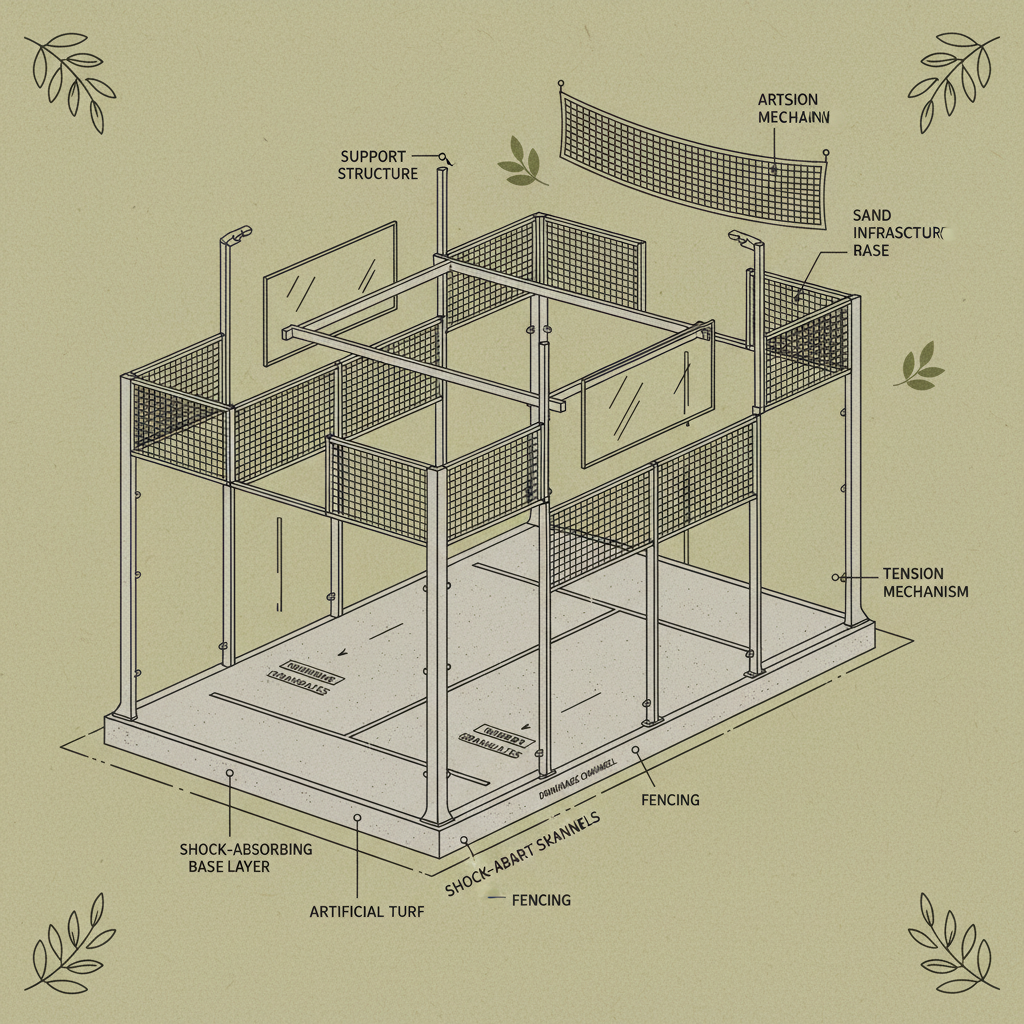
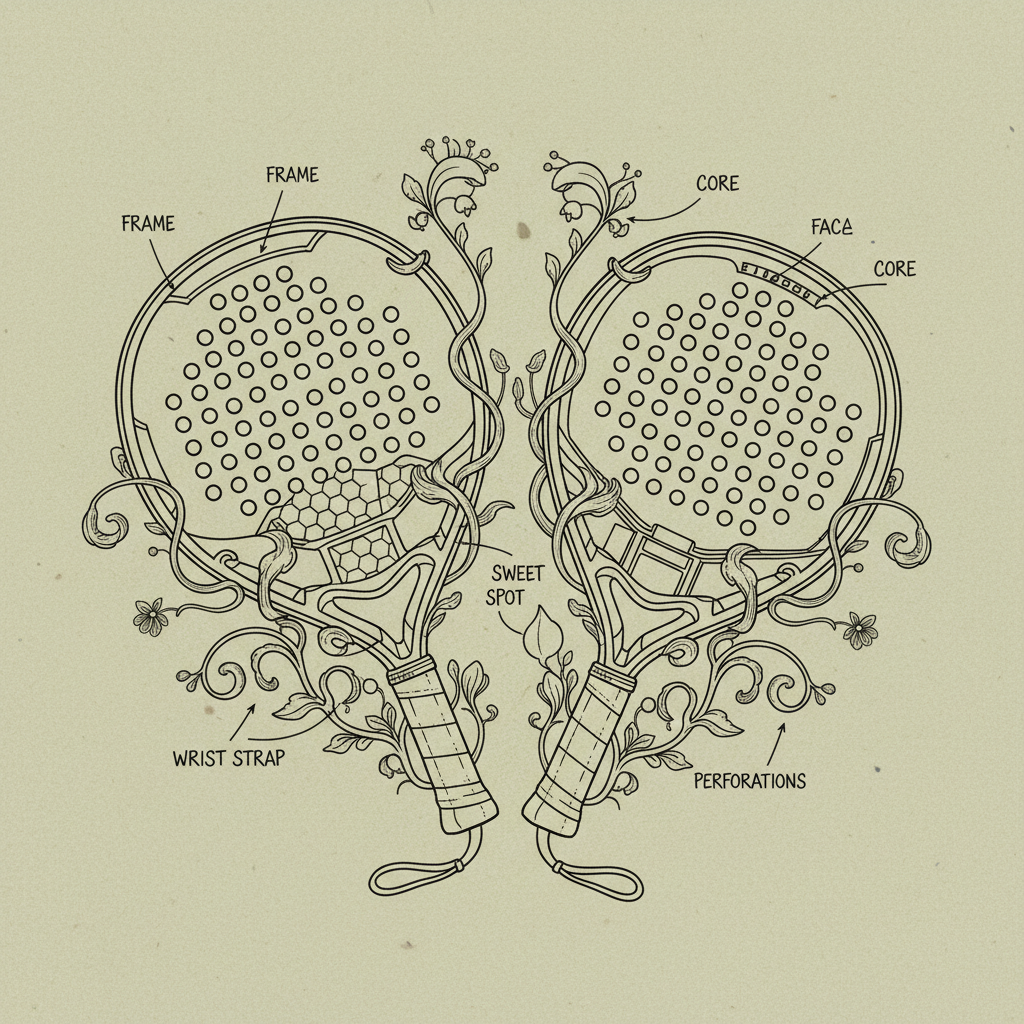
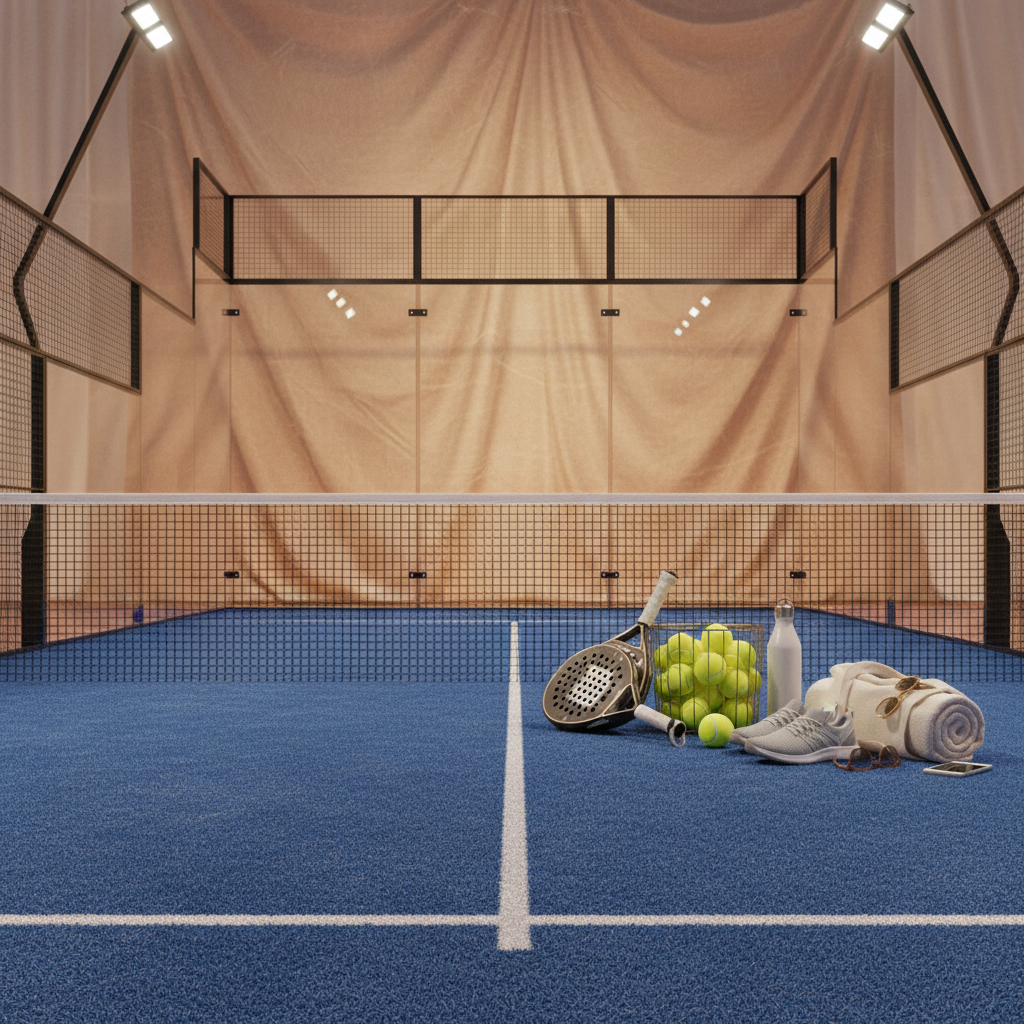
A padel ball court isn't just four walls and a net. It’s a specifically designed space that combines elements of tennis, squash, and badminton. The court is enclosed by walls – typically glass and metal mesh – which are integral to the gameplay. It's these walls that create the dynamic rallies and strategic opportunities that make padel unique. Knowing the core components - the court dimensions, the materials used for the walls and flooring, and the net height – is critical for ensuring a quality playing experience.
From a construction standpoint, the court's foundation and drainage are paramount. Poor drainage leads to court instability and damage, reducing its lifespan and playing quality. The walls need to be robust enough to withstand constant ball impact, and the surface needs to provide adequate grip. We’re seeing a move toward synthetic turf surfaces that offer improved playability and reduced maintenance.
The overall experience is about accessibility. Unlike some sports which feel exclusive, padel invites everyone. This accessibility makes it a strong investment for communities looking to promote physical activity and social interaction. The game’s inherent social aspect drives repeat play, making it a valuable asset for recreational facilities.
Key Construction Factors for Longevity
Durability is paramount. I’ve seen too many poorly constructed padel ball court that fall apart after a few years. The foundation is the most crucial element. It needs to be properly compacted and reinforced to withstand the constant stress of play and varying weather conditions. We often use reinforced concrete, but soil type dictates the exact approach. Choosing the right materials for the walls – tempered glass and galvanized steel mesh are standards – is equally important.
Drainage is the second critical factor. Standing water will quickly degrade the court surface and compromise the foundation. A well-designed drainage system needs to efficiently remove rainwater and prevent waterlogging. Proper slope and strategically placed drainage points are essential. We always consider local rainfall patterns and soil permeability when designing the drainage system.
Proper ventilation is often overlooked. In enclosed courts, condensation can build up, leading to mold growth and surface slipperiness. Adequate ventilation helps to regulate humidity and maintain a safe and comfortable playing environment. This is often addressed through strategically placed vents or even mechanical ventilation systems.
Cost Analysis and Material Selection
The cost of a padel ball court varies significantly depending on the materials used, the site conditions, and the level of finishing. A basic court can range from $20,000 to $40,000, while a high-end court with premium materials and features can exceed $60,000. The biggest cost driver is typically the glass and steel mesh for the walls.
Material selection is a balancing act between cost, durability, and performance. Tempered glass is the preferred material for the back and side walls, offering excellent visibility and impact resistance. Galvanized steel mesh is commonly used for the upper sections, providing a safe and durable enclosure. For the flooring, synthetic turf is generally the most cost-effective and low-maintenance option, but concrete or other hard surfaces can also be used.
Padel Ball Court Construction Cost Breakdown
Global Applications and Community Impact
We're seeing padel ball court integrated into a huge range of environments. I've worked on projects in urban parks, schoolyards, community centers, and even private clubs. In some regions, they're being used as part of rehabilitation programs, providing a low-impact activity for individuals recovering from injuries.
I recently completed a project in a disadvantaged neighborhood where a new padel ball court became a focal point for community activity. It gave the kids something positive to do, and it brought people together. It's more than just a sport; it's a catalyst for social cohesion.
Advantages of Padel Ball Courts
Padel ball court offers a ton of advantages. Firstly, the smaller court size and enclosed design mean it can be built in spaces where a traditional tennis court simply wouldn’t fit. This makes it ideal for urban areas with limited space. Secondly, the lower physical demands compared to tennis make it more accessible to players of all ages and fitness levels.
The social aspect is a huge draw. The enclosed court encourages interaction and creates a more engaging playing experience. From a maintenance perspective, padel ball courts generally require less upkeep than other sports facilities, reducing ongoing costs. Finally, the growing popularity of the sport means it’s a valuable asset for attracting members and generating revenue for recreational facilities.
Future Trends and Sustainable Construction
We’re seeing a growing trend towards sustainable construction practices in padel ball court development. This includes using recycled materials, minimizing waste during construction, and incorporating energy-efficient lighting systems. There’s also interest in developing modular padel ball court that can be easily assembled and disassembled, reducing construction time and environmental impact.
Smart court technology is another emerging trend. This includes integrated lighting systems that adjust based on time of day and weather conditions, as well as sensors that track player activity and provide performance data. These technologies can enhance the playing experience and improve court utilization.
I believe the future of padel ball court is bright. As the sport continues to grow in popularity, we’ll see further innovation in construction techniques, materials, and technology, all focused on creating more sustainable, accessible, and engaging playing experiences.
Summary of Key Considerations for Future Padel Ball Court Development
| Material Sustainability |
Technological Integration |
Modular Design Feasibility |
Long-Term Cost Efficiency |
| Use of recycled glass and plastics |
Smart lighting and player tracking |
Ease of assembly and disassembly |
Reduced maintenance requirements |
| Sourcing locally produced materials |
Automated booking systems |
Portability for temporary events |
Extended court lifespan |
| Minimizing construction waste |
Remote monitoring and diagnostics |
Adaptability to various terrains |
Lower repair costs |
| Employing eco-friendly coatings |
Interactive game features |
Scalability for multiple court installations |
Reduced energy consumption |
| Water-efficient landscaping around the court |
Integration with fitness tracking apps |
Simplified logistics and transportation |
Increased property value |
| Using renewable energy sources for lighting |
Virtual reality training simulations |
Flexible court configurations |
Attracting new players |
FAQS
With proper construction and regular maintenance – particularly focusing on the foundation, drainage, and glass panels – a padel ball court can easily last 15-20 years, sometimes even longer. We’ve seen courts exceeding 25 years with consistent care. The key is preventative maintenance, addressing minor issues before they become major problems. This includes regular cleaning, inspection of the glass and mesh for damage, and ensuring the drainage system is functioning optimally.
Climate plays a huge role. In areas with harsh winters, you need to account for freeze-thaw cycles which can damage the foundation and surface. Proper drainage is even more critical in regions with heavy rainfall. UV exposure can also degrade the synthetic turf and glass over time, so choosing UV-resistant materials is essential. We always tailor the construction to the specific climate conditions of the location.
Permitting requirements vary significantly depending on location. Typically, you’ll need to obtain building permits, and potentially zoning variances, especially if the court is being built in a residential area. You may also need to comply with accessibility regulations (ADA in the US) and environmental regulations related to drainage and stormwater management. It's always best to check with local authorities before starting any construction.
Absolutely. Padel ball court consistently prove to be a solid investment for community centers. They attract a wide range of players, generate revenue through court rentals, and promote physical activity and social interaction. The relatively low maintenance costs and long lifespan further enhance the investment value. It’s a popular amenity that can significantly enhance the appeal of a community center.
Professional-grade courts typically feature higher-quality materials, stricter tolerances, and more advanced lighting systems. The glass is thicker and more durable, the synthetic turf is more resilient, and the overall construction is more precise. Recreational courts are often built with more cost-effective materials and may have slightly less stringent specifications. The key difference is performance and longevity.
Proper drainage is critical. It starts with a thorough site assessment to understand the soil permeability and water table. A well-designed drainage system should include a sloped court surface, strategically placed drainage points, and potentially a subsurface drainage system. Using gravel or a geotextile fabric beneath the court surface can also help improve drainage. Regular maintenance, such as clearing debris from drainage points, is essential.
Conclusion
Padel ball court represents a powerful convergence of accessible recreation, community building, and sustainable construction practices. From the careful selection of durable materials to the implementation of smart technologies, the potential for innovation in this field is immense. It's more than just a sport; it’s a solution for creating vibrant, healthy, and connected communities.
Looking ahead, I anticipate even greater adoption of eco-friendly materials and modular construction techniques. By embracing these advancements, we can build padel ball court that are not only fun and engaging but also environmentally responsible and economically sustainable. If you’re considering a padel ball court project, I encourage you to prioritize quality construction, sustainable materials, and a commitment to long-term maintenance.

 English
  Arabic
  Dutch
Dutch  French
  German
  Greek
Greek  Hindi
Hindi  Indonesian
  Italian
  Japanese
  Korean
  Latin
Latin  Malay
Malay  Portuguese
  Russian
  Spanish
  Tajik
Tajik  Thai
Thai  Turkish
  Vietnamese