Padel tennis fields are rapidly gaining global popularity, evolving from a niche sport originating in Mexico to a mainstream activity enjoyed by millions worldwide. This surge in interest isn’t just recreational; it’s driving significant investment in infrastructure, facility development, and related industries. Understanding the nuances of padel tennis fields – from construction materials and court dimensions to maintenance practices and player experience – is crucial for investors, facility managers, and sports enthusiasts alike. This understanding paves the way for optimized performance, sustainable growth, and enhanced player safety.
The demand for padel tennis fields is fueled by several factors: its accessibility for all ages and skill levels, its social nature, and its relatively lower cost compared to traditional tennis. This accessibility contributes to the burgeoning padel community and drives innovation in field design and construction. The global padel market is experiencing exponential growth, and a comprehensive understanding of the key aspects of padel tennis fields is essential to capitalize on the opportunities this expanding market presents.
Beyond the sporting aspects, the rise of padel tennis fields presents unique opportunities for economic development and tourism. Communities are recognizing padel facilities as potential hubs for social interaction and local events. As a result, thoughtful planning and strategic investments in high-quality padel tennis fields are becoming increasingly important for maximizing the sport's broader societal impact.
The Fundamentals of Padel Tennis Fields
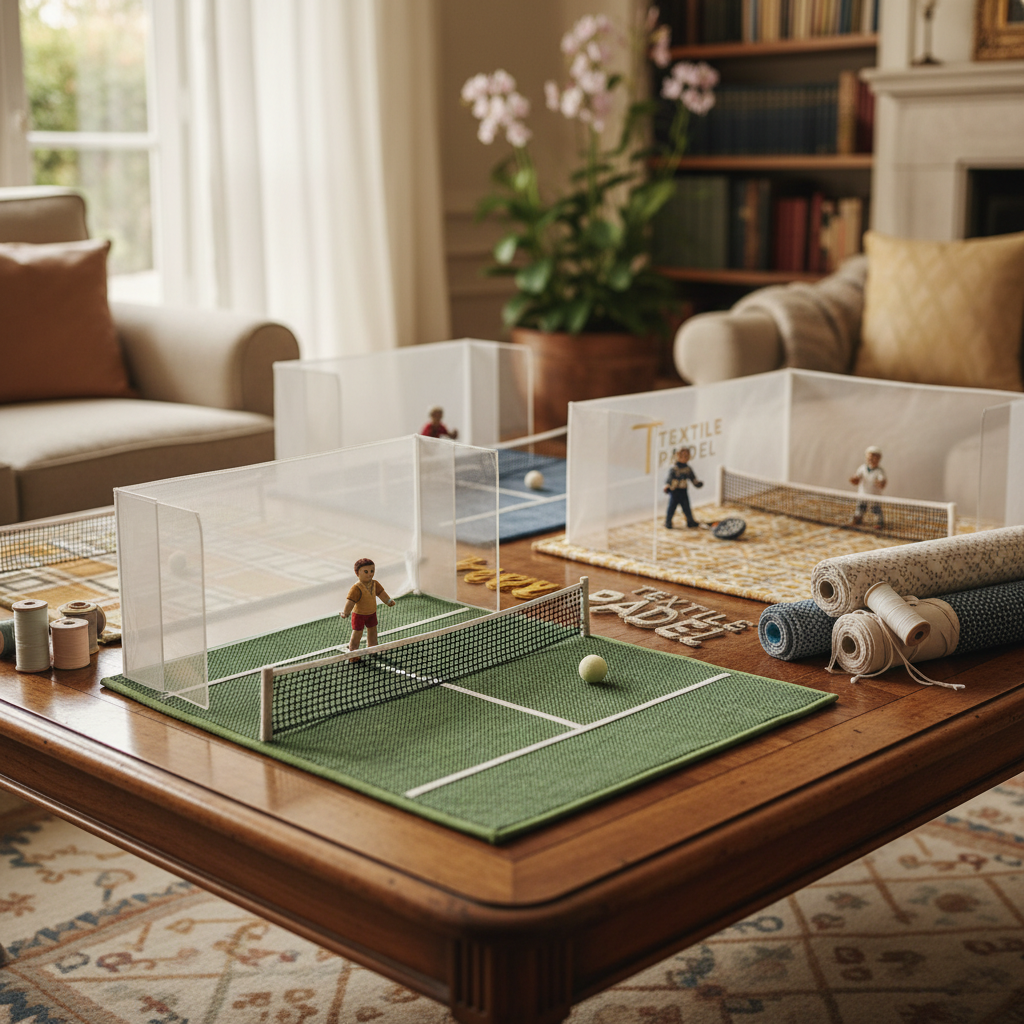
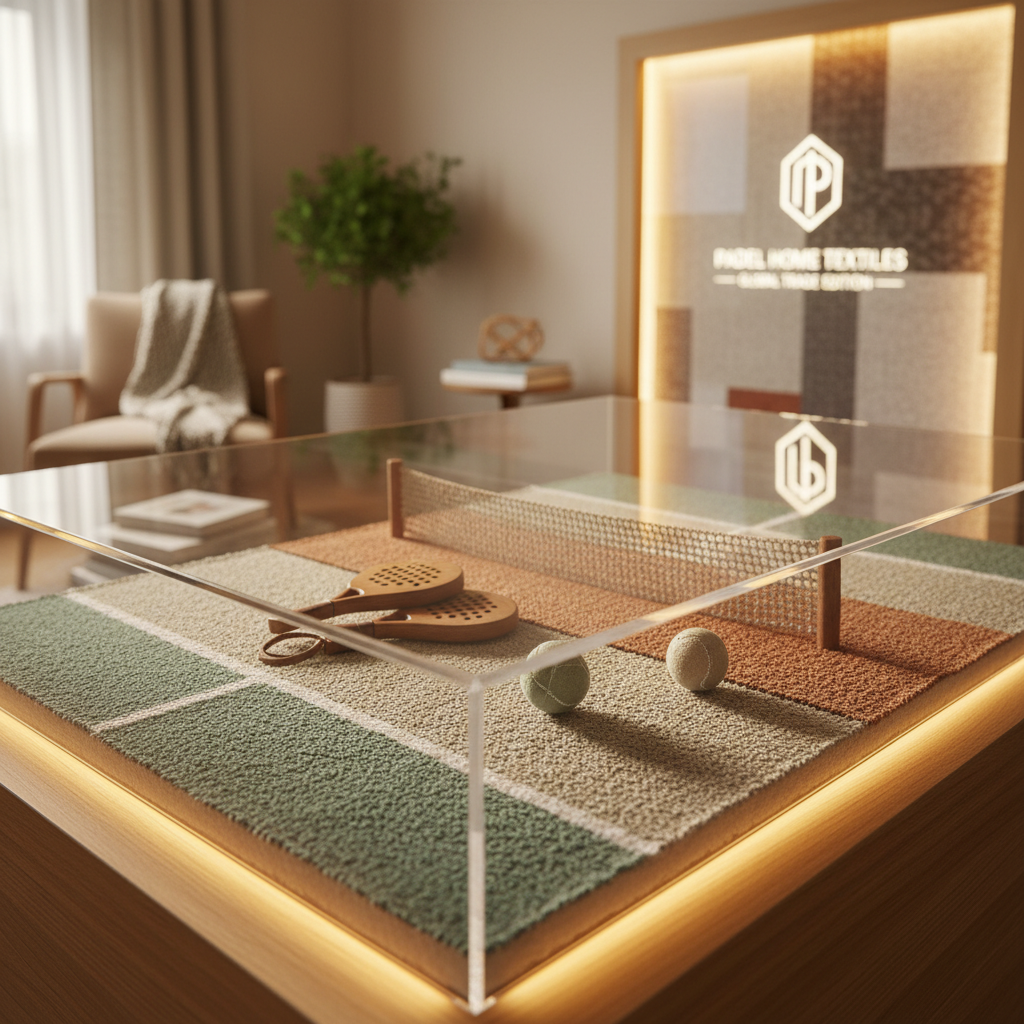
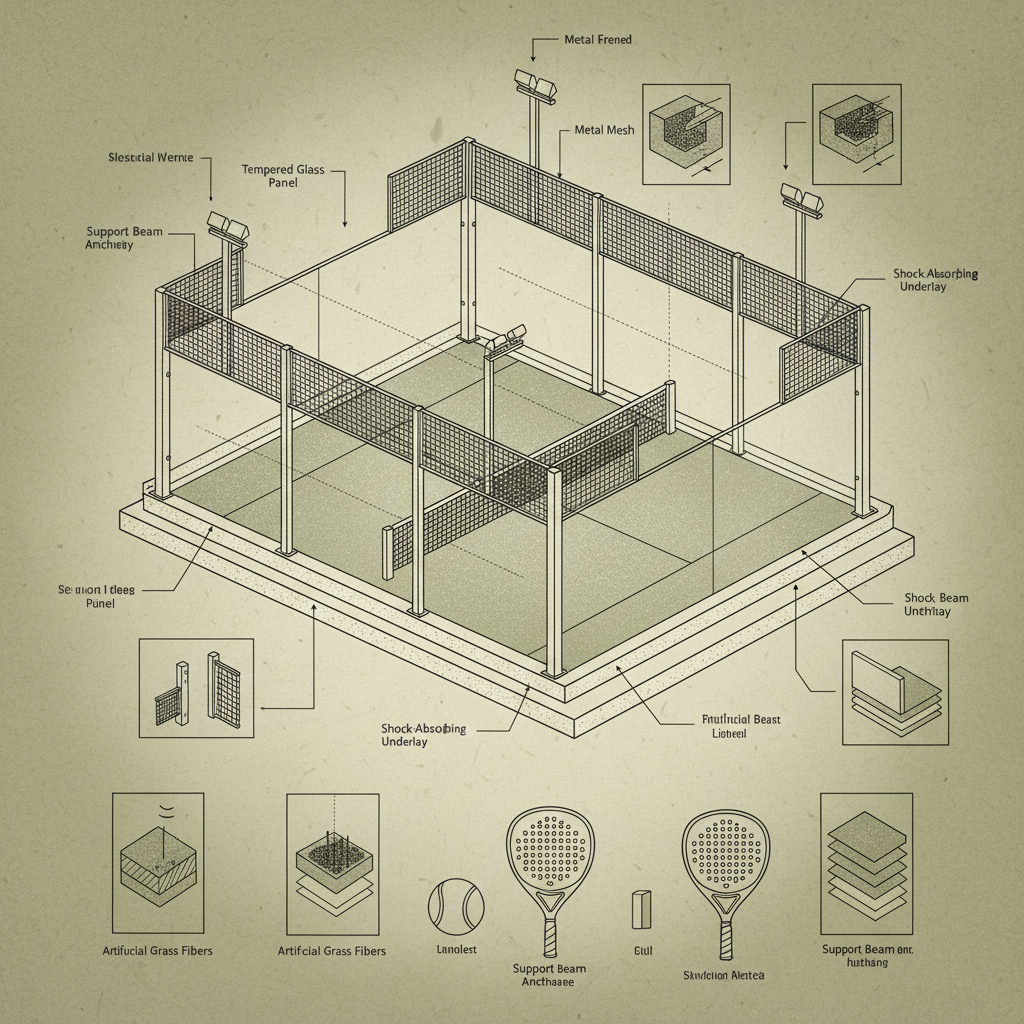
At its core, a padel tennis field is a rectangular court enclosed by walls, typically constructed using a combination of glass and metal mesh. These walls are integral to the game, allowing players to utilize bank shots and strategic rebounds. The court surface itself is typically made of artificial turf or synthetic materials, offering consistent bounce and excellent grip. Understanding these fundamental components is crucial for both players and facility owners.
The dimensions of a standard padel tennis field are 20 meters long and 10 meters wide, making it significantly smaller than a traditional tennis court. This smaller size, combined with the enclosed walls, promotes a fast-paced and dynamic game. The specific materials used in construction significantly impact performance and durability, as does the quality of the surrounding lighting and access points for players and maintenance staff.
Defining Padel Tennis Fields in Modern Sports
Padel tennis fields represent a unique blend of tennis, squash, and badminton, creating a highly engaging and accessible sporting experience. Unlike traditional tennis, padel courts are fully enclosed, allowing players to strategically utilize the walls as part of their gameplay. This feature distinguishes padel and influences the tactics and skills required to excel in the sport. The enclosed environment also makes padel a more social and inclusive activity, as it minimizes the impact of errant balls on neighboring courts.
The increasing popularity of padel has positioned it as one of the fastest-growing sports globally. This growth is driven by its simplicity, affordability, and social aspects, making it an attractive option for players of all ages and skill levels. The construction and maintenance of padel tennis fields contribute significantly to the sporting infrastructure and economic development of communities worldwide.
Padel's modern resurgence has also spurred innovations in court materials and construction techniques. Focus is now being placed on sustainability, durability, and player safety, leading to the development of eco-friendly turf options and impact-absorbing wall systems. This evolution reflects a commitment to responsible sports development and long-term viability.
Core Components of High-Quality Padel Tennis Fields
Durability is a paramount concern in the construction of padel tennis fields. The court surface must withstand constant use, varying weather conditions, and the impact of the ball. Choosing high-quality artificial turf and robust framing materials is essential for minimizing maintenance costs and ensuring a long lifespan for the facility. Proper drainage systems are also crucial to prevent waterlogging and maintain optimal playing conditions.
The structural integrity of the glass and metal mesh walls is another critical component. The glass must be tempered and impact-resistant to prevent injuries, and the mesh should be securely fastened to the frame. The dimensions and alignment of the walls must adhere to international standards to ensure fair play and consistent ball rebound. Regular inspections and maintenance are essential for identifying and addressing any potential safety hazards.
Lighting plays a vital role in the playability of padel tennis fields, particularly during evening hours. Adequate and uniform illumination is essential for ensuring player visibility and preventing eye strain. The choice of lighting fixtures should consider energy efficiency, glare reduction, and light pollution. A well-designed lighting system enhances the overall playing experience and extends the hours of operation for the facility.
Global Applications and Diverse Use Cases
Padel tennis fields are becoming increasingly prevalent in sports clubs and leisure facilities worldwide, from Europe and South America to North America and Asia. In Spain, the sport originated and boasts a staggering number of courts per capita. Countries like Argentina, Sweden, and Portugal have also witnessed exponential growth in padel participation and facility development.
Beyond traditional sports clubs, padel tennis fields are finding applications in diverse settings, including schools, universities, and private residences. Their compact size and relatively low construction costs make them suitable for adaptation to various spaces. Many hotels and resorts are incorporating padel facilities to attract guests and enhance their leisure offerings.
The sport's growing popularity is also leading to the establishment of dedicated padel centers, offering multiple courts, pro shops, and coaching services. These centers serve as hubs for the padel community, fostering social interaction and promoting the sport's continued growth. In post-disaster relief operations, portable padel fields can provide recreational opportunities for affected communities.
Padel Tennis Field Performance Metrics
Advantages and Long-Term Value Proposition
Investing in high-quality padel tennis fields offers a significant return on investment through increased facility utilization, membership revenue, and event hosting opportunities. The sport's growing popularity ensures a steady stream of players and enthusiasts, maximizing the profitability of the facility. The relatively low maintenance costs compared to traditional tennis courts further enhance the long-term financial benefits.
Beyond the financial advantages, padel tennis fields contribute to a healthier and more active lifestyle for the community. The sport's accessibility and social nature promote physical activity and mental well-being. The positive social impact of padel further enhances its value proposition, fostering community engagement and creating a welcoming environment for players of all ages and skill levels.
Future Trends and Innovations in Padel Field Technology
The future of padel tennis fields lies in embracing innovative materials and technologies that enhance performance, sustainability, and player experience. Research is underway to develop eco-friendly turf options made from recycled materials, reducing the environmental impact of court construction. Smart court technologies, incorporating sensors and data analytics, are also emerging, providing insights into player performance and court utilization.
Automation and robotics are poised to play a role in padel field maintenance, streamlining tasks such as turf cleaning and line marking. This will reduce labor costs and ensure consistent court quality. Virtual reality (VR) and augmented reality (AR) applications are being explored to enhance training and provide immersive padel experiences.
Challenges and Sustainable Solutions for Padel Fields
One of the primary challenges in padel tennis field construction is ensuring consistent quality and adherence to international standards. Variations in materials and construction techniques can lead to inconsistencies in court performance and player experience. Establishing robust quality control measures and certification programs is crucial for addressing this challenge.
Another significant concern is the environmental impact of padel field construction. Traditional turf materials can be non-biodegradable and contribute to landfill waste. Adopting sustainable materials, such as recycled rubber or bio-based polymers, can significantly reduce the environmental footprint of padel facilities. Implementing water-efficient irrigation systems and promoting responsible waste management practices are also essential.
Addressing these challenges requires a collaborative effort involving manufacturers, facility owners, and governing bodies. Investing in research and development, promoting sustainable practices, and establishing clear quality standards will ensure the long-term viability and responsible growth of the padel tennis industry.
Summary of Padel Field Sustainability Aspects
| Material Type |
Environmental Impact |
Cost Efficiency |
Performance Level |
| Traditional Synthetic Turf |
High – Non-Biodegradable |
Moderate |
8/10 |
| Recycled Rubber Turf |
Low – Utilizes Waste Material |
High |
7/10 |
| Bio-Based Polymer Turf |
Very Low – Renewable Resource |
Moderate to High |
9/10 |
| Tempered Glass Walls |
Moderate – Requires Energy for Production |
High |
9/10 |
| Galvanized Steel Framing |
Moderate – Resource Intensive |
Moderate |
8/10 |
| LED Lighting Systems |
Low – Energy Efficient |
High |
10/10 |
FAQS
A properly constructed and maintained padel tennis field can typically last between 10 and 15 years. The lifespan depends significantly on the quality of materials used, the frequency of play, the climate conditions, and the regularity of maintenance activities, such as turf cleaning, wall inspections, and lighting system checks. Investing in high-quality materials upfront can significantly extend the field's longevity.
Generally, a padel tennis field is considerably more affordable to construct than a traditional tennis court. This is primarily due to its smaller size, simpler construction requirements, and the use of different materials. While specific costs vary depending on location and materials, a padel court typically ranges from $20,000 to $40,000, while a comparable tennis court can easily exceed $60,000 to $100,000.
Regular maintenance for padel tennis fields includes brushing the turf to remove debris, cleaning the glass and mesh walls, inspecting the framing for damage, and maintaining the lighting system. Periodic deep cleaning of the turf and re-sanding may be required to ensure optimal playing conditions. Annual professional inspections are recommended to identify and address any potential safety hazards.
Yes, the World Padel Tour (WPT) and the International Padel Federation (IPF) have established specific regulations and standards for padel tennis field construction. These standards cover dimensions, materials, wall specifications, lighting requirements, and safety guidelines. Adhering to these standards is crucial for ensuring fair play and player safety, and is often required for hosting official tournaments.
Absolutely. Padel tennis fields are well-suited for indoor construction, providing a climate-controlled playing environment year-round. Indoor facilities offer protection from inclement weather and can be designed to accommodate multiple courts within a single building. However, indoor construction requires careful consideration of ventilation, lighting, and ceiling height to meet regulatory requirements.
Using sustainable materials, such as recycled turf and bio-based polymers, reduces the environmental impact of padel field construction by minimizing waste and conserving natural resources. These materials often have a lower carbon footprint and are more durable, potentially extending the field's lifespan. Choosing sustainable options also demonstrates a commitment to environmental responsibility and can enhance the facility's reputation.
Conclusion
In conclusion, padel tennis fields represent a compelling combination of sporting innovation, economic opportunity, and community engagement. Their accessibility, affordability, and social nature have fueled a global surge in popularity, creating a dynamic market for facility development and related services. By understanding the core components of high-quality padel fields, embracing sustainable construction practices, and addressing potential challenges proactively, stakeholders can maximize the long-term value and positive impact of this exciting sport.
Looking ahead, the future of padel tennis fields lies in continued innovation and a commitment to sustainability. Investing in research and development, promoting eco-friendly materials, and establishing clear quality standards will ensure the sport's responsible growth and its continued contribution to healthy, active communities worldwide. For more information about building your own padel tennis field, visit our website: padel tennis fields.



 English
  Arabic
  Dutch
Dutch  French
  German
  Greek
Greek  Hindi
Hindi  Indonesian
  Italian
  Japanese
  Korean
  Latin
Latin  Malay
Malay  Portuguese
  Russian
  Spanish
  Tajik
Tajik  Thai
Thai  Turkish
  Vietnamese