Padel tennis indoor is rapidly gaining global popularity, evolving from a niche sport to a mainstream activity enjoyed by millions. This surge in interest isn't merely recreational; it represents a significant shift in how people access and engage with sports, particularly in regions with challenging climates or limited outdoor space. The accessibility and social nature of padel, coupled with the comfort and convenience of indoor facilities, contribute to its widespread appeal.
The rise of padel tennis indoor is fueled by a confluence of factors, including increasing urbanization, a growing emphasis on health and wellness, and the desire for year-round sporting opportunities. Investment in dedicated indoor padel centers is booming, creating new business opportunities and fostering local communities. Data from the World Padel Federation indicates a consistent annual growth rate exceeding 20% in many countries.
Understanding the nuances of padel tennis indoor – from court construction and maintenance to business models and player development – is crucial for anyone involved in the sport, whether as a player, investor, facility operator, or instructor. This knowledge empowers stakeholders to capitalize on the current momentum and contribute to the continued growth and sustainability of padel tennis.
The Evolution and Global Reach of padel tennis indoor
The roots of padel can be traced back to Mexico in the 1960s, but its modern resurgence and dramatic growth are largely attributable to its adaptation for indoor play. Initially played outdoors, the enclosed court format addressed climate limitations and offered a consistent playing experience, regardless of weather. This crucial evolution facilitated the sport’s rapid spread across Europe, and now increasingly in North America and Asia.
Today, padel tennis indoor boasts over 12 million active players worldwide, with Spain leading the way as the sport’s epicenter. Countries like Argentina, Sweden, Portugal, and the United Arab Emirates have also embraced padel, investing heavily in infrastructure and promoting its accessibility to diverse demographics. The sport’s relatively low barrier to entry – simpler rules and smaller court size compared to tennis – contribute to its broad appeal.
Defining padel tennis indoor: A Modern Sporting Phenomenon
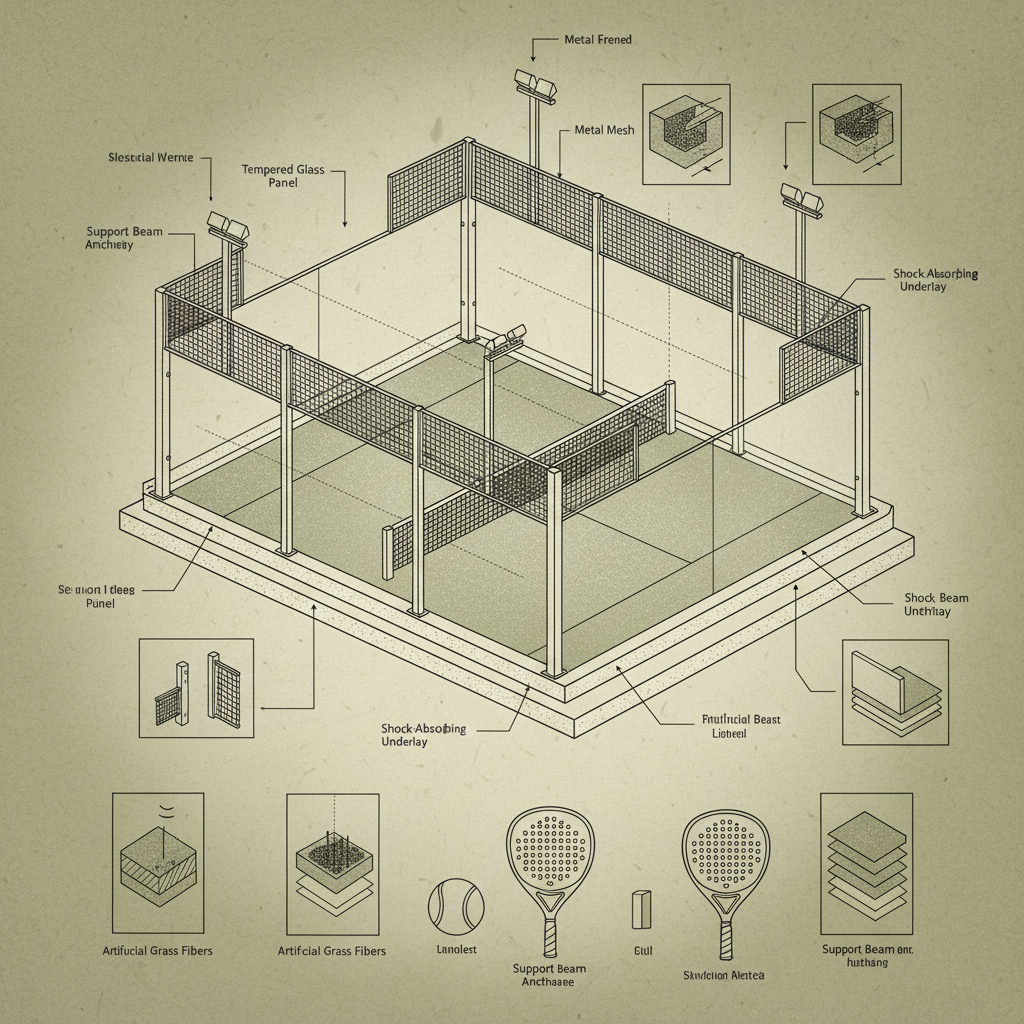
Padel tennis indoor is a racket sport played on an enclosed court measuring 20m x 10m, surrounded by walls of glass and metallic mesh. The game combines elements of tennis, squash, and badminton, and is typically played in doubles format. The enclosed court allows players to utilize the walls strategically, adding a unique dimension to gameplay and creating dynamic rallies.
Unlike traditional tennis, padel courts are significantly smaller and feature a lower net. The scoring system is identical to tennis, but the serve is underhand. This simplified approach makes padel more accessible to beginners, while the strategic use of the walls provides a challenging and engaging experience for experienced players.
The appeal of padel tennis indoor extends beyond the sporting aspect; it fosters a strong sense of community. The enclosed court design naturally encourages social interaction, making it an ideal activity for friends, families, and colleagues. This social component is a key driver of the sport’s growing popularity.
Core Components of Successful padel tennis indoor Facilities
Creating a thriving padel tennis indoor facility requires careful consideration of several key components. Firstly, the court surface is paramount. High-quality synthetic turf with silica sand infill provides optimal grip, cushioning, and durability. Proper installation and maintenance are crucial to ensure player safety and consistent playing conditions.
Secondly, adequate lighting is essential for indoor play. LED lighting systems that provide even illumination without glare are preferred, enhancing visibility and player comfort. The intensity of the lighting should also be adjustable to cater to different times of day and player preferences. Thirdly, ventilation and climate control systems are vital for maintaining a comfortable playing environment, particularly in regions with extreme temperatures.
Finally, ancillary facilities, such as changing rooms, reception areas, and social spaces, contribute to the overall player experience. Providing amenities like comfortable seating, refreshments, and pro shops can enhance customer satisfaction and encourage repeat visits. Investing in these elements demonstrates a commitment to creating a premium padel experience.
Key Performance Indicators for padel tennis indoor
Evaluating the success of a padel tennis indoor facility relies on monitoring several key performance indicators (KPIs). Court utilization rate is a primary metric, measuring the percentage of time courts are actively in use. Higher utilization rates indicate strong demand and efficient scheduling.
Another important KPI is member retention rate, reflecting the facility’s ability to retain its customer base. High retention rates suggest a positive player experience and effective customer service. Revenue per square meter provides insights into the financial performance of the facility, indicating how effectively the space is being monetized.
Padel Tennis Indoor Facility KPIs
Global Applications and the Expanding Padel Community
The applications of padel tennis indoor extend beyond recreational facilities. Many clubs are incorporating padel courts into existing tennis centers, providing members with additional sporting options. Universities and schools are also recognizing the benefits of padel, adding courts to their athletic programs to promote physical activity and student engagement.
Corporations are increasingly utilizing padel as a team-building activity, offering employees a fun and engaging way to improve communication and camaraderie. Padel tournaments and leagues are flourishing worldwide, creating opportunities for competitive play and fostering a vibrant community.
The Advantages of padel tennis indoor: Investment and Impact
Investing in padel tennis indoor offers significant returns. The relatively low capital cost compared to traditional tennis facilities makes it an attractive investment opportunity. Furthermore, the high demand for padel courts translates into rapid revenue generation.
The social and health benefits of padel are also compelling. The sport promotes physical activity, improves cardiovascular health, and reduces stress. The inclusive nature of padel makes it accessible to people of all ages and skill levels, fostering a sense of community and belonging.
Future Trends and Technological Advancements in padel tennis indoor
The future of padel tennis indoor is bright, with several exciting trends on the horizon. Smart court technology, incorporating sensors and data analytics, will provide players with real-time performance feedback and enhance training programs. Virtual reality (VR) and augmented reality (AR) applications will offer immersive padel experiences, allowing players to practice and compete remotely.
Sustainable court materials and energy-efficient lighting systems will reduce the environmental impact of padel facilities. The integration of online booking platforms and mobile apps will streamline court reservations and enhance the overall player experience. These advancements will further solidify padel's position as a leading sport in the 21st century.
Challenges and Solutions
Despite its rapid growth, padel tennis indoor faces certain challenges. One key concern is the standardization of court dimensions and materials. Variations in court specifications can affect gameplay and create inconsistencies across different facilities. Ensuring adherence to standardized guidelines is crucial for maintaining a level playing field.
Another challenge is the availability of qualified instructors. The demand for padel coaches is growing rapidly, but the supply is currently limited. Investing in coach education and certification programs is essential to address this shortage. Finally, competition from other sports and leisure activities requires ongoing marketing and promotion efforts to attract and retain players.
Summary of Challenges and Proposed Solutions for padel tennis indoor
| Challenge |
Impact |
Proposed Solution |
Implementation Timeline |
| Lack of Court Standardization |
Inconsistent Gameplay Experience |
Develop & Enforce Global Standards |
6-12 Months |
| Shortage of Qualified Instructors |
Limited Access to Quality Coaching |
Invest in Coach Education Programs |
Ongoing |
| High Initial Investment Costs |
Barriers to Entry for New Facilities |
Explore Funding & Partnership Opportunities |
3-6 Months |
| Competition from Other Sports |
Difficulty Attracting & Retaining Players |
Targeted Marketing & Community Engagement |
Ongoing |
| Maintaining Court Surface Quality |
Reduced Playability & Increased Injury Risk |
Implement Regular Maintenance Schedules |
Monthly/Quarterly |
| Limited Awareness in Some Regions |
Slow Adoption Rate |
Promotional Events & Grassroots Programs |
Ongoing |
FAQS
Padel tennis indoor differs from tennis in several crucial aspects. Firstly, the court is smaller and fully enclosed with walls, allowing for strategic play using the walls. Secondly, the serve is underhand. Thirdly, the rackets are solid paddle-like implements rather than strung frames. Finally, the scoring is the same as tennis, but the overall pace of play is generally slower and more focused on tactical positioning.
The cost of building an indoor padel tennis facility can vary significantly depending on location, size, and amenities. However, a typical court, including construction, installation, and lighting, can range from $50,000 to $80,000. Additional costs for ancillary facilities, such as changing rooms and reception areas, can add another $20,000 to $50,000 or more.
The ideal surface for an indoor padel court is a synthetic turf specifically designed for padel, combined with silica sand infill. This combination provides excellent grip, cushioning, and durability. The turf should be carefully installed and regularly maintained to ensure optimal playing conditions and player safety.
Padel tennis indoor facilities can maximize revenue streams through several avenues. Court rentals are the primary source of income, but offering memberships, coaching lessons, tournaments, and pro shop merchandise can significantly boost profitability. Hosting social events and corporate team-building activities can also generate additional revenue.
Safety is paramount in indoor padel tennis facilities. Ensure adequate lighting to prevent slips and falls. Regularly inspect and maintain the court surface and walls to identify and address any hazards. Provide clear signage regarding safety rules and emergency procedures. Encourage players to wear appropriate footwear and protective gear.
Finding qualified padel tennis instructors requires proactive effort. Contact national padel federations or associations for lists of certified coaches. Utilize online platforms and social media to advertise coaching positions. Offer competitive compensation and benefits to attract top talent. Consider investing in coach training and development programs.
Conclusion
Padel tennis indoor represents a dynamic and rapidly expanding sporting phenomenon. Its accessibility, social nature, and adaptability to diverse environments have fueled its global surge in popularity. From its core components – standardized courts, optimal lighting, and comfortable facilities – to its far-reaching applications in recreation, education, and corporate wellness, padel tennis indoor offers compelling benefits for players, investors, and communities alike.
Looking ahead, continued innovation in court technology, coaching methodologies, and sustainable practices will further enhance the padel experience and solidify its position as a leading sport worldwide. We invite you to explore the potential of padel tennis indoor and join the growing community. Visit our website at padel tennis indoor to learn more and discover how we can help you bring the excitement of padel to your location.


 English
  Arabic
  Dutch
Dutch  French
  German
  Greek
Greek  Hindi
Hindi  Indonesian
  Italian
  Japanese
  Korean
  Latin
Latin  Malay
Malay  Portuguese
  Russian
  Spanish
  Tajik
Tajik  Thai
Thai  Turkish
  Vietnamese