0%

Table of Contents

Paddle tennis paddles, essential equipment for the increasingly popular sport of paddle tennis, represent a fascinating intersection of athletic performance, materials science, and recreational enjoyment. Globally, paddle tennis is experiencing a surge in popularity, driven by its accessibility and social nature. These paddles aren’t merely tools; they’re integral to a sport enjoyed by millions worldwide, from casual players to competitive athletes. Understanding the nuances of paddle tennis paddles – their construction, materials, and impact on gameplay – is key to both maximizing performance and appreciating the evolution of the sport.

The demand for quality paddle tennis paddles is fueled by rising participation rates, particularly in Europe and North America. The sport’s relatively low barrier to entry, requiring less expansive facilities than traditional tennis, makes it attractive to a broad demographic. Market research indicates a consistent year-over-year growth in paddle tennis equipment sales, signaling a healthy and expanding industry. However, this growth also presents a challenge: ensuring sustainability in material sourcing and manufacturing processes.

At its core, a paddle tennis paddle facilitates the striking of the ball, transferring energy to propel it across the net. They are distinct from tennis rackets in their solid construction—typically comprising a polymer core sandwiched between layers of fiberglass or carbon fiber—and perforated surface. The evolution of these paddles mirrors broader advancements in composite materials, aiming for optimal power, control, and comfort. Properly understanding paddle tennis paddles is not just for players; it's vital for manufacturers seeking innovation and retailers catering to a discerning customer base.
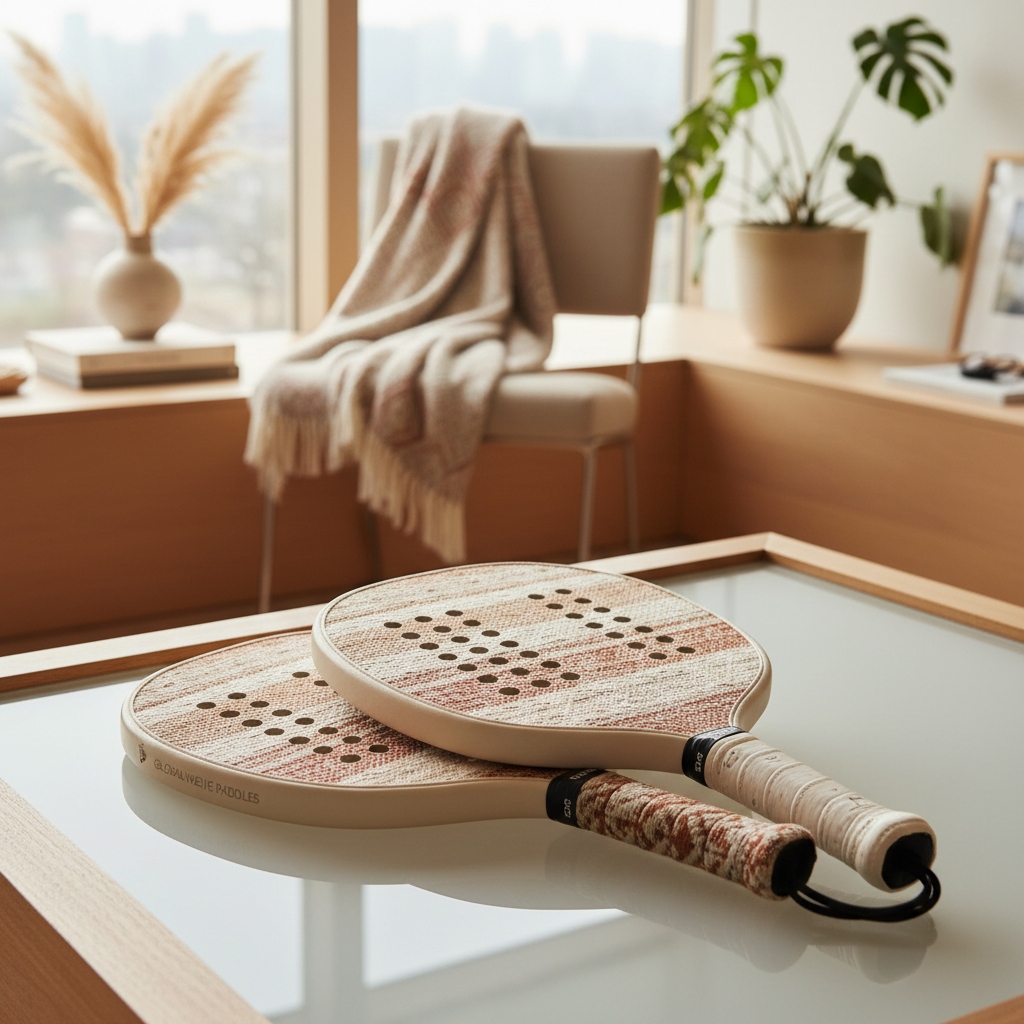
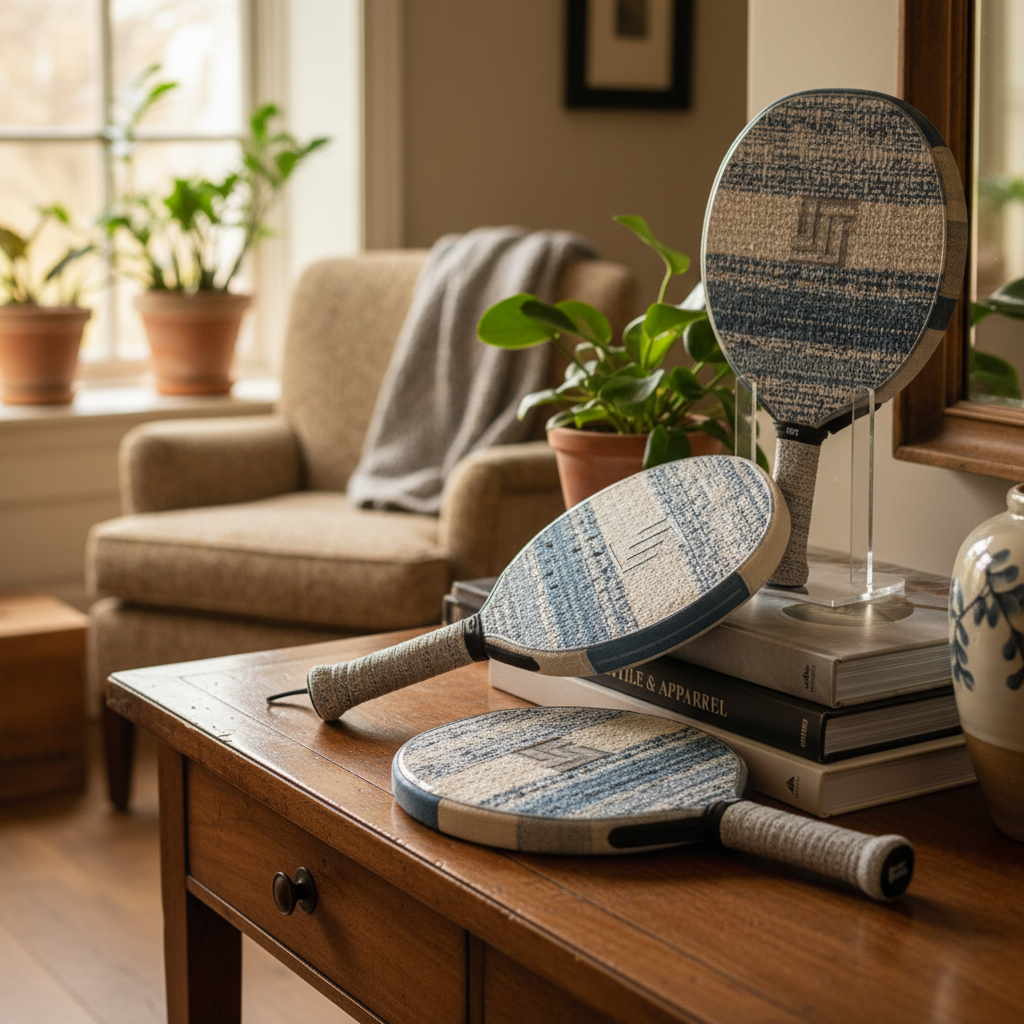
Exploring the Evolution and Technology of Paddle Tennis Paddles

The Evolution of Paddle Tennis Paddles

Exploring the Evolution and Technology of Paddle Tennis Paddles

The journey of paddle tennis paddles began with rudimentary wooden designs, borrowing heavily from the construction of squash rackets. Early paddles were heavy and lacked the responsiveness that modern players demand. However, the introduction of fiberglass and then carbon fiber revolutionized paddle construction, leading to lighter, stronger, and more controllable paddles.

This evolution wasn’t merely about material upgrades. Sophisticated manufacturing techniques—like layering different composite materials and incorporating textured surfaces—allowed manufacturers to fine-tune paddle characteristics, like sweet spot size, power transfer, and spin potential. Today, the market boasts a wide array of paddles tailored to various playing styles and skill levels, showcasing a remarkable advancement from the paddles of yesteryear.

Defining Paddle Tennis Paddles

A paddle tennis paddle is a solid, typically elongated instrument used to strike a perforated polymer ball in the sport of paddle tennis. Unlike tennis rackets which have strung surfaces, paddle tennis paddles are constructed from a core material, often a polymer foam, sandwiched between layers of facing materials such as fiberglass, carbon fiber, or a combination thereof. These materials are carefully selected to optimize power, control, and durability.

The core material affects the paddle's feel and ball exit speed, while the facing materials influence its strength and responsiveness. The perforated surface, essential for reducing air resistance, distinguishes paddle tennis paddles from other racket sports equipment. Understanding these fundamental elements is crucial for appreciating the functionality and performance of a given paddle.

Paddle tennis paddles aren’t simply categorized by material; they also vary in shape, weight, grip size, and balance point. These characteristics, collectively, determine how a paddle performs in the hands of a player, influencing their ability to generate power, control the ball, and execute various shots effectively.

Key Components of Paddle Tennis Paddles

The construction of a paddle tennis paddle involves several key components working in harmony. The core, often made of EVA foam, is central to the paddle’s feel and shock absorption. The facing materials, typically fiberglass or carbon fiber, provide structural integrity and impact resistance. The edge guard protects the paddle from damage during gameplay.

The grip, often made of polyurethane or a similar material, is designed to provide comfort and enhance control. The frame, which provides the overall shape and stability of the paddle, is also crucial. Each component is carefully engineered to contribute to the paddle’s overall performance characteristics.

Variations in these components directly impact the paddle’s playability. For example, a paddle with a higher density core will generally offer more power but less control, while a paddle with a larger sweet spot will be more forgiving on off-center hits. Understanding these relationships allows players to choose paddles tailored to their specific playing style and skill level.

Durability and Material Science in Paddle Tennis Paddles

Durability is a paramount concern in paddle tennis paddles, given the repetitive impact they endure during gameplay. Material science plays a critical role in addressing this challenge. Carbon fiber, known for its exceptional strength-to-weight ratio, is a popular choice for facing materials, providing excellent impact resistance.

Fiberglass, while less expensive than carbon fiber, still offers good durability and a softer feel. The quality of the core material, typically EVA foam, also significantly impacts the paddle's longevity. Higher-density foams tend to be more durable but can also transmit more vibration.

Paddle Material Durability Comparison


Global Applications and Player Preferences

Paddle tennis is experiencing rapid growth globally, with particularly strong adoption in Europe, particularly Spain and Sweden, and increasingly in North and South America. Player preferences for paddle tennis paddles vary significantly based on playing style and skill level. Power players often favor paddles with a higher density core and a larger sweet spot, while control players tend towards paddles with a softer core and a smaller sweet spot.

In Spain, a country considered the birthplace of modern paddle tennis, players often prefer heavier paddles with a focus on control and spin. In contrast, some North American players are gravitating towards lighter paddles that emphasize power and quick reflexes. This regional variation reflects the differing styles of play and the emphasis placed on different aspects of the game.

Advantages of Modern Paddle Tennis Paddles

Modern paddle tennis paddles offer numerous advantages over their predecessors. Their lightweight construction reduces fatigue, allowing players to maintain consistent performance throughout extended matches. The improved responsiveness and control enhance shot accuracy and spin potential, leading to more dynamic and strategic gameplay.

Enhanced durability minimizes the need for frequent replacements, representing a cost saving for players. The wide range of available models caters to diverse playing styles and skill levels, ensuring that every player can find a paddle that suits their needs. Ultimately, a well-chosen paddle can significantly elevate a player's performance and enjoyment of the sport.

Future Trends and Innovations in Paddle Tennis Paddles

The future of paddle tennis paddles promises continued innovation in materials science and manufacturing techniques. Researchers are exploring the use of new composite materials, such as graphene, to further enhance strength, lightness, and responsiveness. 3D printing technology offers the potential for customized paddle designs tailored to individual player preferences.

Sustainability is also becoming a key focus, with manufacturers increasingly seeking eco-friendly materials and production processes. Smart paddles, incorporating sensors to track swing speed, impact point, and other performance metrics, could provide valuable insights for players and coaches, facilitating personalized training and performance optimization.

Paddle Tennis Paddle Material Comparison

Material Type Strength Weight Cost
Carbon Fiber 9/10 Lightweight High
Fiberglass 7/10 Medium Moderate
EVA Foam (Core) 6/10 Lightweight Low
Polymer Composite 8/10 Medium Moderate
Graphene Enhanced Carbon 10/10 Very Lightweight Very High
Hybrid (Carbon/Fiberglass) 8/10 Medium Moderate

FAQS

What materials are the most durable for paddle tennis paddles?

Carbon fiber is widely considered the most durable material for paddle tennis paddles due to its high strength-to-weight ratio and resistance to impact. However, fiberglass also offers good durability at a lower price point. The core material, such as EVA foam, also contributes to overall paddle longevity. Regularly maintaining your paddle can further extend its lifespan, regardless of the materials used.

How does the core material affect paddle performance?

The core material dramatically impacts a paddle’s feel and ball exit speed. Softer cores (like lower density EVA foam) offer more control and comfort, absorbing more impact but reducing power. Harder cores generate more power but can transmit more vibration. Players should select a core material that aligns with their playing style—control-oriented players typically prefer softer cores, while power players opt for harder ones.

What is the ideal weight for a paddle tennis paddle?

The ideal weight for a paddle tennis paddle is subjective and depends on player preference and strength. Lighter paddles (around 350-365 grams) offer greater maneuverability and are easier on the arm, but may sacrifice some power. Heavier paddles (around 365-375 grams) provide more power and stability but can be more fatiguing. Finding the right balance is key.

What is a 'sweet spot' on a paddle and why is it important?

The 'sweet spot' refers to the area on the paddle face that delivers the most optimal power and control when striking the ball. A larger sweet spot is more forgiving on off-center hits, making it easier to generate consistent shots. Paddle design and material choices directly influence the size and shape of the sweet spot.

How often should I replace my paddle tennis paddle?

The lifespan of a paddle tennis paddle varies depending on usage frequency and playing intensity. Generally, a paddle should be replaced when its performance noticeably degrades – such as reduced power, increased vibration, or visible damage to the core or facing materials. Regular players may need to replace their paddles every 1-2 years, while casual players may get several years of use.

What grip size should I choose for my paddle tennis paddle?

Choosing the correct grip size is crucial for comfort and control. A grip that is too small can cause hand fatigue and lead to a weaker grip, while a grip that is too large can restrict wrist movement. A simple test involves measuring the distance between the tip of your ring finger and the crease in your palm – this measurement can help you determine the appropriate grip size.

Conclusion

Paddle tennis paddles have evolved significantly, driven by advancements in material science and a growing demand for enhanced performance. From humble wooden beginnings to the high-tech carbon fiber composites of today, the development of these paddles reflects a commitment to innovation and a desire to elevate the playing experience. Understanding the key components, materials, and design considerations is crucial for both players seeking optimal performance and manufacturers striving to push the boundaries of paddle technology.

Looking ahead, the future of paddle tennis paddles is bright, with ongoing research into new materials, sustainable manufacturing practices, and personalized paddle designs. As the sport continues to gain popularity globally, these innovations will undoubtedly play a vital role in shaping the future of paddle tennis. Explore the world of paddle tennis paddles and discover the perfect paddle to enhance your game.


Declan O’Connell

Declan O’Connell

Declan O’Connell is Yocool’s Marketing Manager, driving brand awareness and generating leads through digital and traditional marketing channels. Declan is responsible for Yocool’s online presence, content creation, and social media strategy. He focuses on highlighting the innovative features and benefits of Yocool’s sports facilities. He has a strong understanding of
Previous The Growing Popularity of Padel Tennis Indoor and its Global Impact
Next Choosing Durable and Reliable Paddle Tennis Racquets for Practical Use
en_USEnglish