The evolution of sports infrastructure has seen a dramatic shift toward visibility and aesthetic integration, with the padel panoramic adopting the spotlight. As padel continues its explosive global growth, the demand for courts that offer an unobstructed view for both players and spectators has transitioned from a luxury to a standard for professional clubs.
Understanding the nuances of a padel panoramic design is crucial for developers and sports facility managers who aim to maximize the commercial value of their space. By removing the traditional metal pillars from the rear corners, these courts create a seamless glass enclosure that enhances the cinematic quality of the game and improves the overall spectator experience.
From an engineering perspective, the transition to panoramic structures requires a sophisticated balance of structural integrity and transparency. This guide explores how the padel panoramic architecture is redefining the sports landscape, ensuring that safety, durability, and visual appeal coexist to drive the popularity of this dynamic sport.
Global Relevance of Padel Panoramic Architecture
The surge in padel's popularity across Europe, the Middle East, and the Americas has created a critical need for high-standard infrastructure. According to industry trends observed in ISO-standard sports facility developments, the padel panoramic style has become the gold standard for tournament-grade courts. The global shift toward "sportainment"—where athletics meet entertainment—demands that the court itself be a visual asset, encouraging higher spectator turnout and better television broadcasting angles.
However, this demand presents a significant engineering challenge: how to maintain the rigid safety requirements of a high-impact sport while removing the supporting pillars that traditionally held the glass in place. The industry has responded by innovating with reinforced steel frames and tempered glass specifications that can withstand immense pressure without sacrificing the "open" feel that defines the padel panoramic experience.
Defining the Padel Panoramic Concept
In simple terms, a padel panoramic court is a specialized version of a padel court where the rear glass walls are designed without the vertical support pillars that are common in standard courts. This creates a wide, uninterrupted window of tempered glass, allowing a full, panoramic view of the action from the outside. This architectural choice is not merely aesthetic; it transforms the court into a stage, making the sport more accessible to viewers and more appealing for high-end club installations.
This concept connects deeply with modern urban development needs, where space is limited and the visual impact of a facility can dictate its commercial success. By utilizing a panoramic design, clubs can integrate their courts into shopping malls, luxury resorts, or city centers, where the transparency of the padel panoramic structure attracts passersby and creates a vibrant, energetic atmosphere that encourages participation.
Beyond the visual appeal, the panoramic approach addresses the psychological need for openness. Players feel less enclosed, and the integration of light—whether natural or artificial—is significantly improved. This synergy between structural engineering and human-centric design is what makes the panoramic model the preferred choice for professional World Padel Tour events and elite sporting complexes.
Core Engineering Components of Panoramic Courts
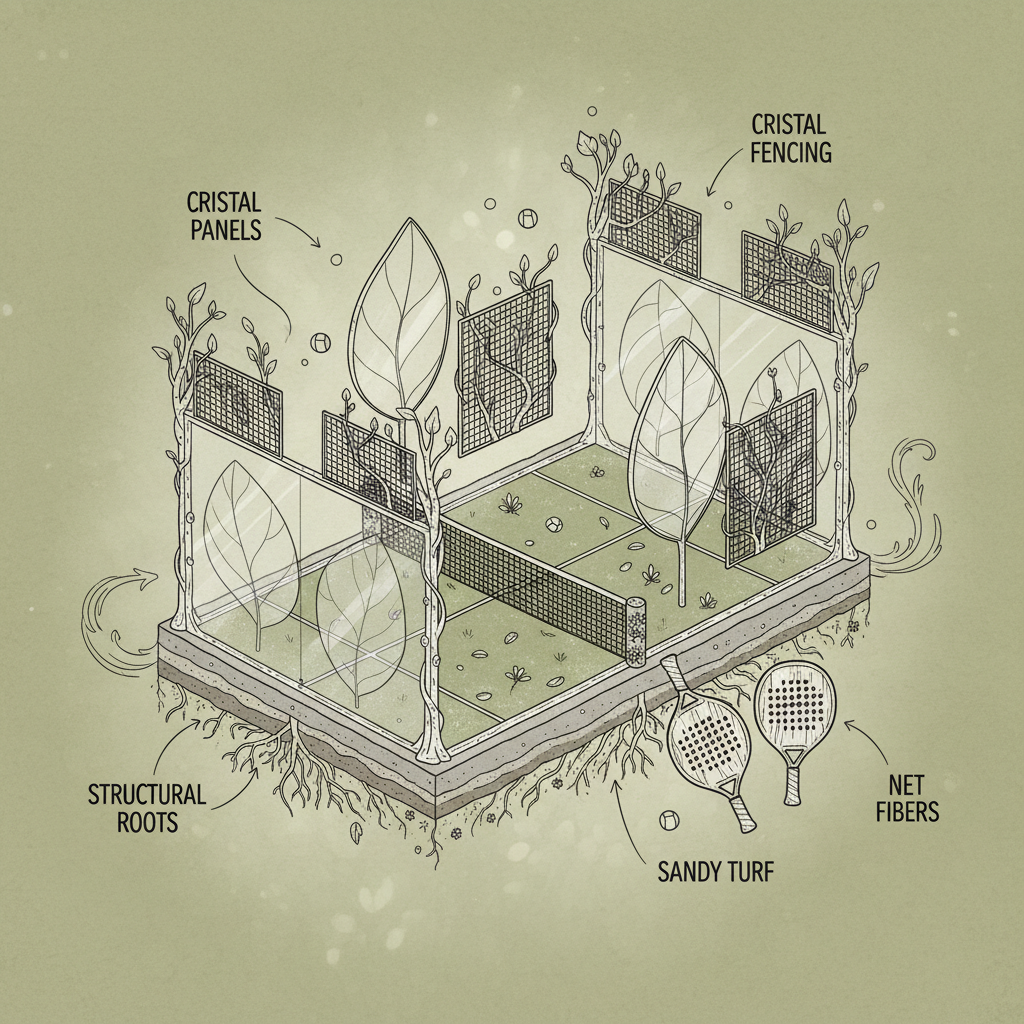
The primary pillar of a successful padel panoramic installation is structural durability. Because the support pillars are removed, the load is redistributed to a reinforced upper frame. This frame must be precision-engineered from high-grade galvanized steel to prevent sagging and ensure that the glass panels remain perfectly aligned even under heavy wind loads or player impacts.
Another critical component is the quality of the tempered glass. For a padel panoramic court, 10mm or 12mm toughened safety glass is typically used. This glass must be heat-treated to ensure that if it does break, it shatters into small, blunt pieces, thereby minimizing the risk of injury to athletes. The seamless joining of these panels is what creates the "panoramic" effect, requiring high-precision gaskets and sealant.
Scalability and installation efficiency also play a vital role. Modern panoramic systems are designed as modular kits, allowing for rapid assembly on various surfaces, including concrete or prefabricated sports flooring. This modularity ensures that a padel panoramic court can be deployed in diverse environments—from coastal resorts in Dubai to indoor sports centers in London—without compromising on quality.
Performance Metrics and Structural Scalability
When evaluating the performance of a padel panoramic system, engineers look at the ratio of transparency to stability. The goal is to minimize the visual "noise" of the frame while maximizing the resistance to lateral forces. High-end panoramic courts utilize specialized alloy coatings to prevent corrosion, extending the life of the facility in humid or salty environments.
Furthermore, the scalability of these courts allows them to be integrated into larger sports hubs. Whether it is a single show-court or a complex of ten, the padel panoramic design ensures a consistent aesthetic and professional playing experience across the entire facility.
Comparative Efficiency of Padel Panoramic Design Variations
Global Applications and Commercial Use Cases
In real-world applications, the padel panoramic court is frequently deployed in high-traffic luxury environments. For instance, in the UAE and Saudi Arabia, panoramic courts are integrated into five-star hotels to offer guests a premium sporting experience. The lack of visual barriers allows hotel management to showcase the activity as part of the resort's vibrant lifestyle offering, attracting both residents and tourists.
Additionally, in the European market, professional academies use padel panoramic courts for coaching. The ability for a coach to stand outside the court and have a completely clear view of the player's footwork and positioning—without a pillar blocking the line of sight—provides a significant pedagogical advantage, improving the quality of training and player development.
Long-Term Value and Sustainability Benefits
The investment in a padel panoramic court offers tangible long-term value through increased commercial appeal. Courts with panoramic views typically command higher rental fees and attract more sponsorship opportunities, as brands can place logos on the glass or the surrounding perimeter with maximum visibility for cameras and spectators.
From a sustainability perspective, the shift toward high-quality, long-lasting materials in panoramic designs reduces the frequency of replacement. By using recyclable galvanized steel and long-life tempered glass, manufacturers ensure that the environmental footprint of the facility is minimized over its 20-year lifecycle.
Moreover, the emotional impact of a padel panoramic setup cannot be overstated. The sense of innovation and prestige it brings to a club fosters trust and loyalty among members. It signals that the facility is committed to providing the highest standard of sporting infrastructure, which in turn drives community engagement and long-term profitability.
Future Innovations in Panoramic Court Technology
Looking forward, the padel panoramic industry is moving toward the integration of "smart glass" and digital overlays. We anticipate the arrival of courts where the panoramic glass can switch from transparent to opaque for privacy or act as a transparent LED screen for real-time score updates and advertising, further blending the lines between sport and digital media.
Automation in the installation process is another key trend. The use of AI-driven structural analysis allows engineers to optimize the frame of a padel panoramic court for specific geographic wind zones, reducing material waste while maintaining absolute safety. This move toward "green engineering" ensures that the growth of the sport does not come at the expense of the planet.
Finally, the integration of sustainable energy, such as transparent solar panels within the panoramic glass, could allow courts to generate their own lighting power. This would make the padel panoramic facility a self-sustaining ecosystem, setting a new benchmark for eco-friendly sports architecture globally.
Comparative Analysis of Padel Panoramic Specifications
| Court Tier |
Glass Thickness |
Frame Material |
Visibility Score |
| Club Standard |
10mm Tempered |
Galvanized Steel |
8/10 |
| Pro Tournament |
12mm Tempered |
Reinforced Alloy |
9/10 |
| Elite Panoramic |
12mm Ultra-Clear |
Powder-Coated Steel |
10/10 |
| Modular Flex |
10mm Tempered |
Lightweight Alloy |
7/10 |
| Eco-Panoramic |
12mm Recycled |
Green-Steel |
9/10 |
| Custom Designer |
12mm Specialized |
Custom Composite |
10/10 |
FAQS
The primary difference is the removal of the vertical support pillars in the rear corners. A padel panoramic court uses a reinforced upper frame to support the glass, creating an uninterrupted view. This enhances the aesthetic appeal and improves the experience for spectators and broadcasters.
Not at all. While the pillars are gone, the structural load is redistributed through higher-grade galvanized steel and a more robust overhead beam. When engineered correctly, a padel panoramic court meets or exceeds all international safety and durability standards.
It provides a clear line of sight. Coaches can observe a player's entire movement pattern and court positioning without having to move around pillars. This allows for more accurate feedback and a better understanding of the game's tactical flow from a stationary viewpoint.
Maintenance is very similar to standard courts. The key is ensuring the glass is kept clean to maintain the panoramic effect. Because they use high-quality tempered glass and anti-corrosive frames, the long-term maintenance costs are balanced by the higher commercial revenue they generate.
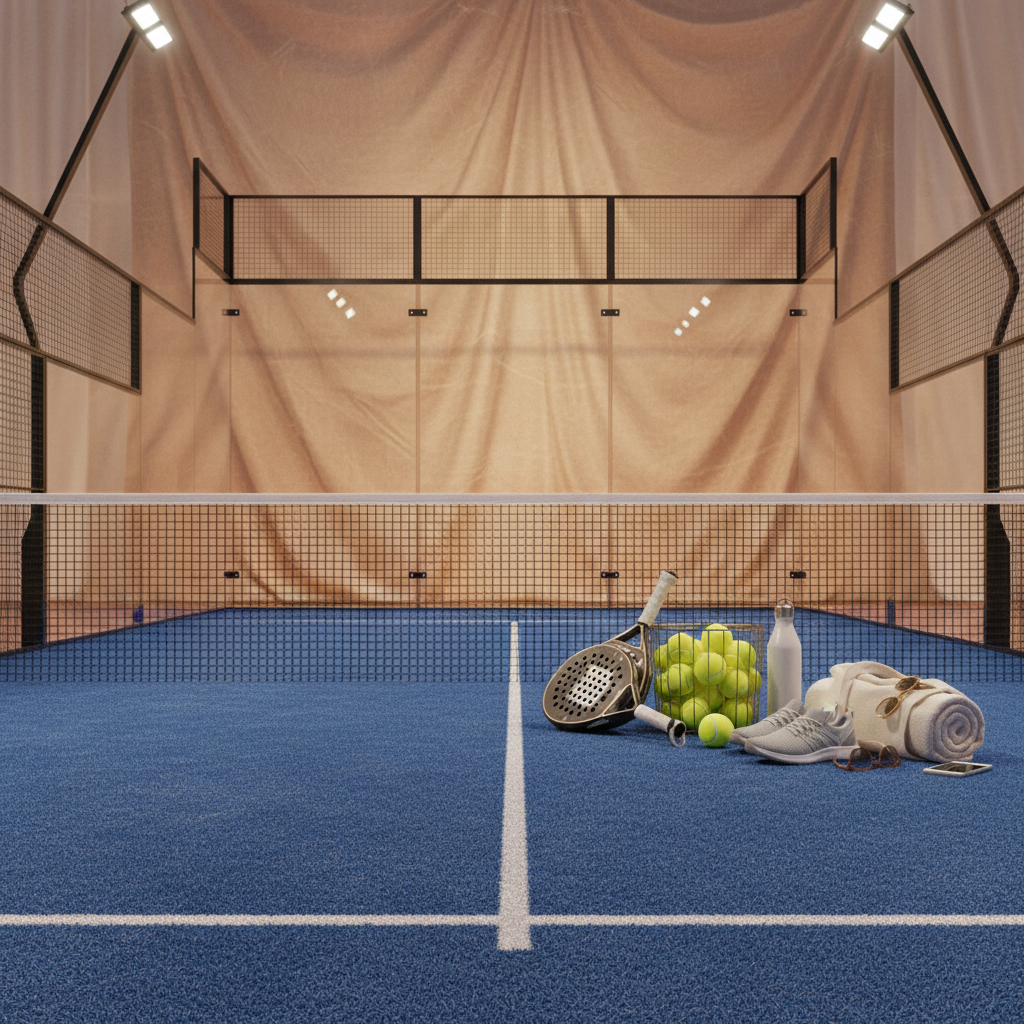
Yes, they are ideal for indoor environments. The transparency of the padel panoramic design helps in maximizing the available indoor lighting and prevents the space from feeling cramped, making it a favorite for urban sports centers.
Depending on the level of play, 10mm is standard for recreational use, while 12mm is highly recommended for professional and high-traffic courts. The 12mm option provides superior impact resistance and better structural stability for the panoramic effect.
Conclusion
The adoption of padel panoramic architecture represents more than just a trend; it is a strategic evolution in sports facility design. By blending high-strength engineering with a focus on visibility and aesthetics, panoramic courts enhance the game's commercial viability, improve the spectator experience, and provide a superior environment for athletic development.
As the sport continues to expand globally, investing in panoramic infrastructure is a forward-thinking move for any club or developer. By prioritizing transparency and structural excellence, you not only elevate the prestige of your facility but also contribute to the professionalization of padel. To explore the best solutions for your next project, visit our website: www.yocoolcn.com.





 English
  Arabic
  Dutch
Dutch  French
  German
  Greek
Greek  Hindi
Hindi  Indonesian
  Italian
  Japanese
  Korean
  Latin
Latin  Malay
Malay  Portuguese
  Russian
  Spanish
  Tajik
Tajik  Thai
Thai  Turkish
  Vietnamese