The rapid ascent of padel tennis sport across the globe marks a significant shift in how we perceive urban athletic engagement. Combining elements of tennis and squash, this dynamic activity has transitioned from a niche pastime in Mexico and Spain to a worldwide phenomenon, driven by its accessibility and inherent social nature. Understanding the infrastructure and technical requirements of the sport is essential for developers and sports enthusiasts alike who aim to capitalize on this growing trend.
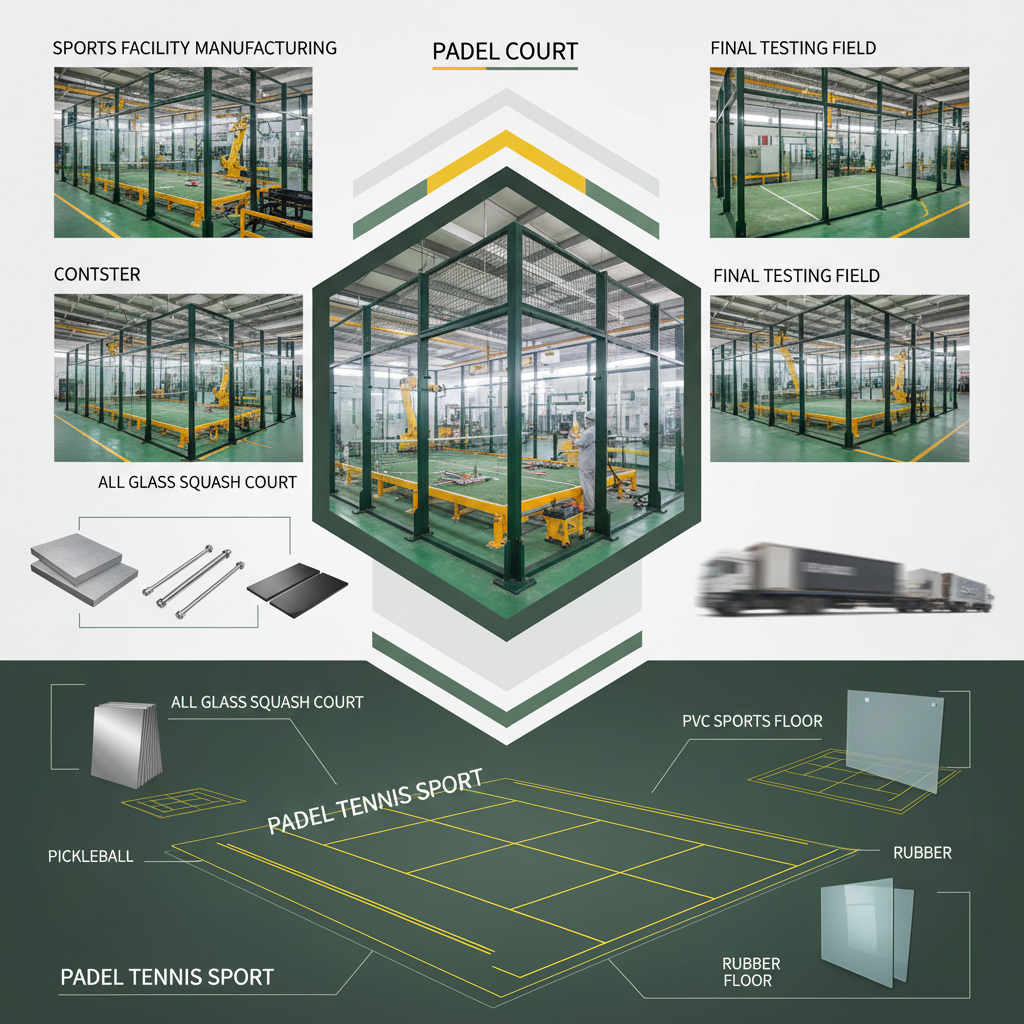
From a commercial perspective, the surge in demand for dedicated courts has created a booming market for specialized sports manufacturing. The unique architectural requirements—glass walls, synthetic turf, and steel framing—demand a high level of precision engineering to ensure player safety and optimal ball bounce. As more cities integrate these facilities into their community hubs, the focus has shifted toward sustainable materials and rapid installation methods.
Ultimately, the appeal of padel tennis sport lies in its low barrier to entry; unlike traditional tennis, the learning curve is gentle, making it inclusive for all ages and skill levels. This inclusivity, paired with a high-intensity workout, ensures that the sport is not just a fleeting trend but a long-term addition to the global sports landscape. By exploring the core components of court design and gameplay, we can better appreciate why this sport is capturing the world's imagination.
The Global Evolution of Padel Tennis Sport
The trajectory of padel tennis sport has been nothing short of meteoric. Originally conceived in 1969, it spent decades as a regional favorite before the digital age and professional tours catalyzed its expansion. Today, the International Padel Federation (FIP) reports millions of active players, with exponential growth in Northern Europe, the Middle East, and Asia, reflecting a universal desire for sports that blend competition with social interaction.
This global expansion is supported by the standardization of court dimensions and materials, ensuring that a player in Dubai experiences the same bounce and pace as one in Madrid. The shift toward professionalization has forced manufacturers to innovate, moving away from basic steel frames to high-grade galvanized structures and tempered safety glass, which are now the gold standard for international competitions.
Technical Anatomy of a Professional Court
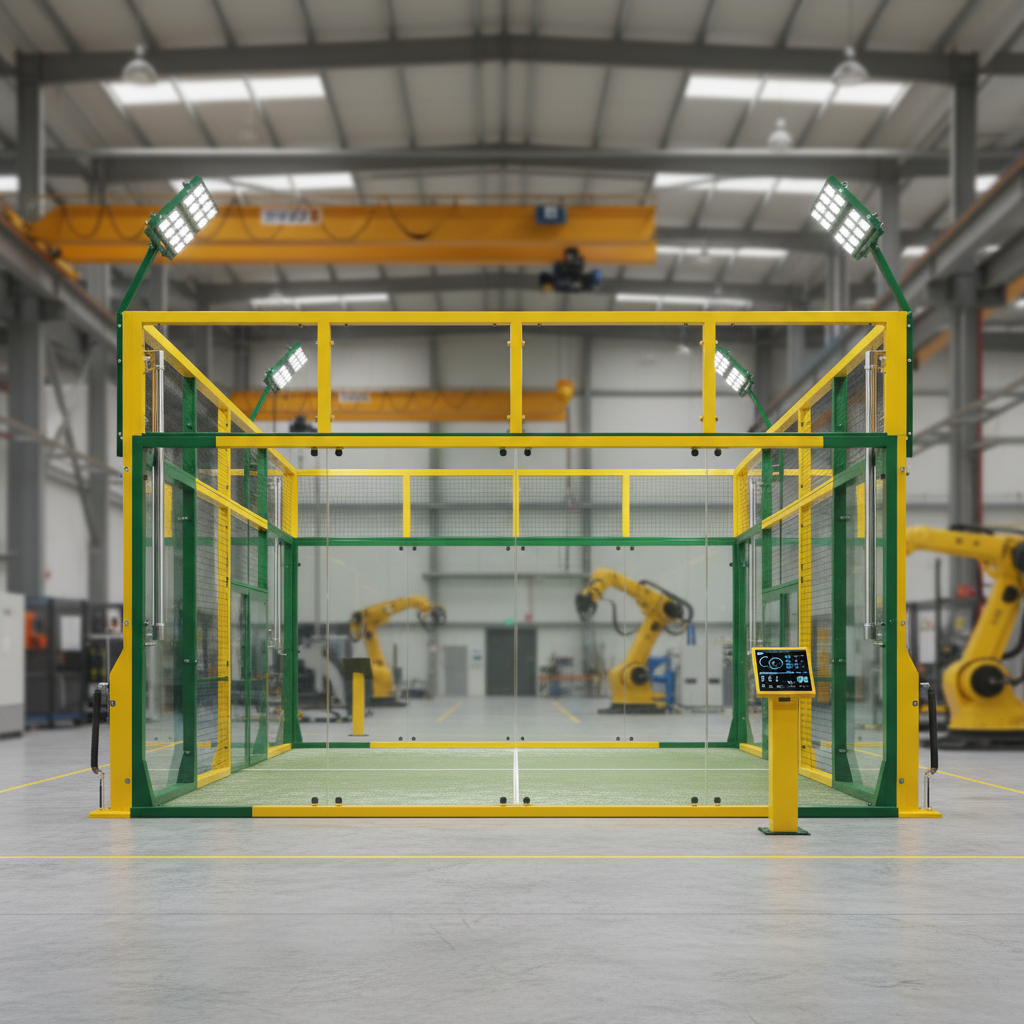
A professional padel court is a marvel of specialized engineering, designed to contain high-velocity balls while ensuring absolute player safety. The perimeter is defined by a combination of tempered glass and metallic mesh, which allows for a strategic game where the walls are active participants. The glass must be of a specific thickness—typically 10mm or 12mm—to withstand the repeated impact of the ball and the occasional collision by a player without shattering.
Beneath the surface, the foundation is critical. Whether installed on concrete or an asphalt base, the leveling must be precise to avoid water pooling and uneven bounces. The synthetic turf, often infused with silica sand, provides the necessary traction for quick lateral movements while reducing the impact on players' joints, a key consideration for the longevity of athletes participating in the padel tennis sport.
The structural framework usually consists of hot-dip galvanized steel, powder-coated to prevent corrosion from environmental moisture. This ensures that the court remains structurally sound for decades, even in coastal regions with high salinity. Every bolt and joint is designed for scalability, allowing for rapid assembly and disassembly, which is vital for temporary tournaments and pop-up sports complexes.
Core Engineering Factors for Court Longevity
When investing in padel tennis sport infrastructure, durability is the primary metric of success. High-grade materials are not merely a luxury but a necessity to prevent the frequent and costly maintenance associated with low-quality installations. This involves using corrosion-resistant alloys and UV-stabilized polymers for the synthetic grass.
Scalability and flexibility in design allow facilities to expand their capacity as the popularity of the sport grows. By utilizing modular court systems, owners can start with a single court and easily add additional units without disrupting the existing layout, ensuring a seamless transition from a small club to a full-scale sports center.
Finally, cost-efficiency in the long run is achieved through "intelligent" material selection. While the initial outlay for tempered glass and galvanized steel may be higher, the reduction in replacement cycles and the ability to maintain a consistent professional playing surface provide a much higher return on investment for facility managers.
Comparative Performance of Playing Surfaces
Choosing the right surface for padel tennis sport can drastically alter the gameplay experience. The industry primarily chooses between monofilament turf, curled fiber turf, and specialized acrylic coatings. Each material affects the ball's friction and the player's agility, making the choice dependent on whether the court is intended for high-level professional play or recreational community use.
The integration of silica sand is another critical variable. The depth and grain size of the sand determine how much the ball slides upon impact, which in turn affects the speed of the game. Professional courts often utilize a specific "blue" turf with precision-graded sand to ensure the most consistent and predictable ball behavior during high-stakes matches.
Performance Metrics of Padel Court Surfaces
Global Application and Urban Integration
The versatility of padel tennis sport facilities allows them to be integrated into various urban environments. From rooftop installations in densely populated cities like Tokyo and New York to sprawling sports complexes in the suburbs of Madrid, the compact nature of the court (20m x 10m) makes it an ideal choice for urban regeneration projects.
In remote industrial zones or corporate campuses, these courts are being deployed as wellness tools to improve employee mental health and foster team cohesion. Because the installation process is relatively non-invasive compared to building a full tennis stadium, many organizations are repurposing old parking lots or underutilized warehouses into vibrant athletic hubs.
Economic Value and Social Impact
Beyond the physical health benefits, the economic impact of the padel tennis sport ecosystem is substantial. The rise in court construction has stimulated the manufacturing of high-performance rackets, balls, and specialized footwear. For entrepreneurs, the "pay-and-play" model of padel clubs offers a high revenue-per-square-meter ratio, making it a highly attractive business venture in the sports leisure sector.
Socially, the sport acts as a bridge across demographics. Since it is played in doubles, it inherently encourages communication and partnership. In many European cities, padel clubs have become "third places"—social environments distinct from home and work—where networking and community building happen organically during and after matches.
Furthermore, the accessibility of the sport promotes inclusivity. Seniors find it more manageable than tennis due to the smaller court size, while juniors are drawn to its fast-paced, "video-game" like feel. This wide appeal ensures a steady stream of users, providing long-term stability for the facilities and enhancing the overall social fabric of the local community.
Future Innovations in Padel Infrastructure
The future of padel tennis sport is leaning heavily toward digitalization and sustainability. We are seeing the introduction of "smart courts" equipped with integrated cameras and AI-driven analytics that provide players with real-time feedback on their positioning and shot accuracy. This transformation is turning a traditional game into a data-driven experience, appealing to a new generation of tech-savvy athletes.
Sustainability is also taking center stage. Manufacturers are now experimenting with recycled ocean plastics for synthetic turf and carbon-neutral steel production for the frames. The goal is to reduce the environmental footprint of court construction while maintaining the rigorous standards of professional play. Solar-powered lighting systems are also becoming common, allowing clubs to operate with zero carbon emissions during nighttime sessions.
Additionally, modularity is evolving toward "rapid-deploy" systems that can be assembled in a matter of hours. This will allow the sport to penetrate even more remote regions and facilitate large-scale international tours with minimal logistics overhead, further accelerating the global footprint of the game.
Core Analysis of Future Padel Infrastructure Trends
| Innovation Dimension |
Current Standard |
Future Integration |
Impact Level (1-10) |
| Material Source |
Virgin Polymers |
Recycled Ocean Plastics |
9 |
| Court Analytics |
Manual Scoring |
AI-Powered Tracking |
8 |
| Energy Usage |
Grid-Tied LED |
Integrated Solar Panels |
7 |
| Installation Time |
7-14 Days |
48-Hour Modular Setup |
9 |
| Glass Technology |
Standard Tempered |
Self-Cleaning Nano-Glass |
6 |
| Player Safety |
Basic Padding |
Shock-Absorbing Polymers |
8 |
FAQS
The primary differences lie in the court and equipment. Padel is played on a smaller court enclosed by glass walls and metallic mesh, which players can use to bounce the ball off. Additionally, padel uses a solid-core racket without strings and a slightly lower-pressure ball, making the game more about strategy and positioning than raw power.
Depending on the foundation, a professional installation typically takes between 7 to 14 days. The process involves leveling the base, erecting the galvanized steel frame, installing the tempered glass panels, and finally laying the synthetic turf and filling it with silica sand. Modular systems can significantly reduce this timeline.
Yes, absolutely. One of the strongest selling points of padel is its accessibility. Because the court is smaller and the racket is easier to handle than a tennis racket, it is an excellent sport for children, seniors, and beginners. It provides a comprehensive cardiovascular workout without the extreme physical strain of full-court tennis.
Regular maintenance includes brushing the synthetic turf to redistribute the silica sand and ensuring the glass panels are cleaned for visibility. It is also important to periodically check the tension of the metallic mesh and the tightness of the structural bolts to maintain safety and playability over the long term.
Padel courts are highly versatile and can be installed in both environments. Outdoor courts require UV-resistant materials and proper drainage systems to handle rainfall. Indoor courts are often installed in warehouses or sports centers, offering the advantage of controlled weather conditions and consistent playing speeds year-round.
The choice depends on your target clientele. For professional clubs, monofilament blue turf is the standard due to its durability and ball response. For recreational centers, curled fiber turf can be more cost-effective. Always ensure the turf is designed specifically for padel to allow for correct sand infusion and player traction.
Conclusion
The rise of padel tennis sport represents more than just a new athletic trend; it is a convergence of smart urban design, inclusive social dynamics, and precision manufacturing. By combining durable materials like tempered glass and galvanized steel with innovative synthetic surfaces, the industry has created a product that offers both high commercial value and significant health benefits. The shift toward AI-integrated courts and sustainable materials ensures that the sport will continue to evolve and grow.
As we look toward the future, the focus will remain on making these facilities more accessible and eco-friendly. Whether you are a developer looking to enhance a community hub or an athlete seeking a new challenge, investing in high-quality padel infrastructure is a strategic move toward a healthier, more connected society. For professional-grade solutions and expert guidance on court construction, visit our website: www.yocoolcn.com.

 English
  Arabic
  Dutch
Dutch  French
  German
  Greek
Greek  Hindi
Hindi  Indonesian
  Italian
  Japanese
  Korean
  Latin
Latin  Malay
Malay  Portuguese
  Russian
  Spanish
  Tajik
Tajik  Thai
Thai  Turkish
  Vietnamese