Indoor paddle tennis is a rapidly growing sport gaining popularity worldwide, offering a unique blend of tennis, badminton, and squash. Its accessibility, requiring a smaller court size than traditional tennis, makes it ideal for indoor facilities and diverse populations. Understanding the nuances of indoor paddle tennis, from equipment selection to strategic gameplay, unlocks a fulfilling and engaging athletic experience for players of all ages and skill levels.
The global relevance of indoor paddle tennis is fueled by its adaptability to various climates and limited space availability, particularly in urban environments. The sport’s increasing presence is evident in dedicated clubs, community centers, and even home gyms. With a rising focus on accessible fitness options, indoor paddle tennis presents a compelling alternative to traditional racquet sports, attracting a diverse demographic and fostering a sense of community.
Moreover, indoor paddle tennis benefits from relatively low start-up costs compared to other racquet sports, contributing to its widespread adoption. This accessibility, coupled with its social and competitive aspects, positions indoor paddle tennis as a valuable contributor to public health and well-being.
Defining Indoor Paddle Tennis
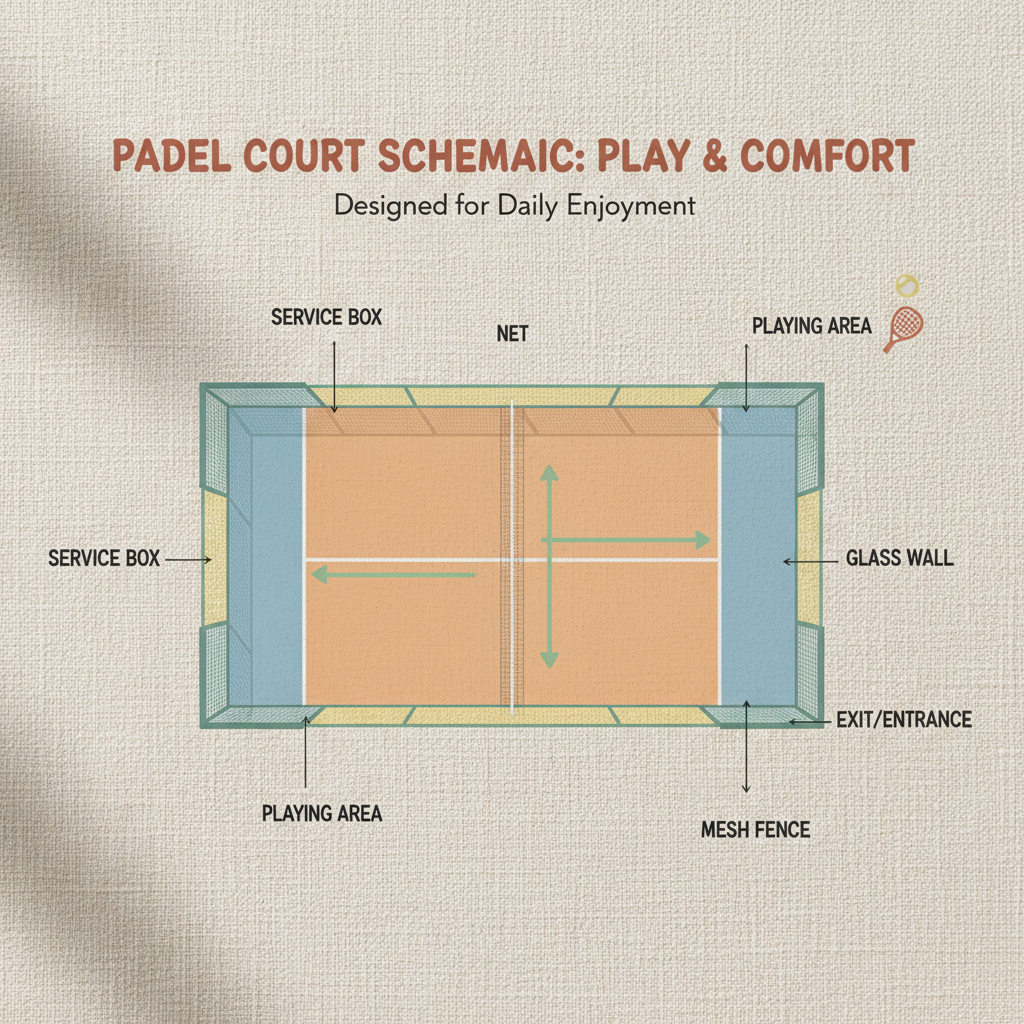
Indoor paddle tennis, often simply called paddle tennis, is a racquet sport played on a smaller court than a traditional tennis court, typically enclosed within walls. Players use solid paddles to hit a rubber ball across a net. The enclosed court allows for continuous play as the ball can be played off the walls, adding a unique dimension to the game.
Unlike tennis, indoor paddle tennis does not allow for a serve bounce. The serve must be underhand and hit directly into the opponent's service box. This fundamental difference in serving technique emphasizes strategic placement and consistency. The game’s accessibility and fast-paced action make it a favorite for recreational players and competitive athletes alike.
The Core Mechanics of the Game
The fundamental mechanics of indoor paddle tennis revolve around controlled paddle strikes and strategic court positioning. Players aim to hit the ball in such a way that their opponents are unable to return it legally, forcing an error. The use of the solid paddle requires greater precision and control compared to the strung racquets used in tennis.
Effective gameplay necessitates understanding the angles created by the walls. Using the walls strategically can create difficult shots for opponents and extend rallies. Mastering the ability to hit both forehand and backhand shots with accuracy and power is crucial for success.
Furthermore, anticipating your opponent’s movements and positioning yourself effectively on the court are key skills. A proactive approach, combined with quick reflexes and a solid understanding of the game's mechanics, will significantly improve your performance in indoor paddle tennis.
Essential Equipment for Indoor Paddle Tennis
The core equipment for indoor paddle tennis is relatively simple. A paddle, typically made of composite materials like graphite or fiberglass, is essential. These paddles vary in weight, grip size, and core material, catering to different playing styles. Choosing a paddle that feels comfortable and provides adequate control is paramount.
The ball used in indoor paddle tennis is a depressurized rubber ball, smaller and less bouncy than a traditional tennis ball. This contributes to the game’s faster pace and allows for more consistent play. Appropriate athletic footwear with good lateral support is also crucial to prevent injuries and enhance court movement.
While not essential, wristbands and headbands can help manage sweat and improve grip. Comfortable athletic clothing that allows for a full range of motion is also recommended. Investing in quality equipment can enhance your playing experience and contribute to your overall performance in indoor paddle tennis.
Strategic Gameplay and Techniques
Effective strategy in indoor paddle tennis emphasizes controlling the center of the court and forcing opponents into awkward positions. Utilizing drop shots to bring opponents forward and lob shots to push them back are crucial tactical maneuvers. Anticipating your opponent's shot and positioning yourself accordingly is key to dominating the court.
Technically, mastering the volley is essential. The ability to react quickly and intercept the ball before it bounces allows for aggressive play and can put significant pressure on your opponent. Developing a consistent serve, even without a bounce, is also fundamental to gaining an advantage.
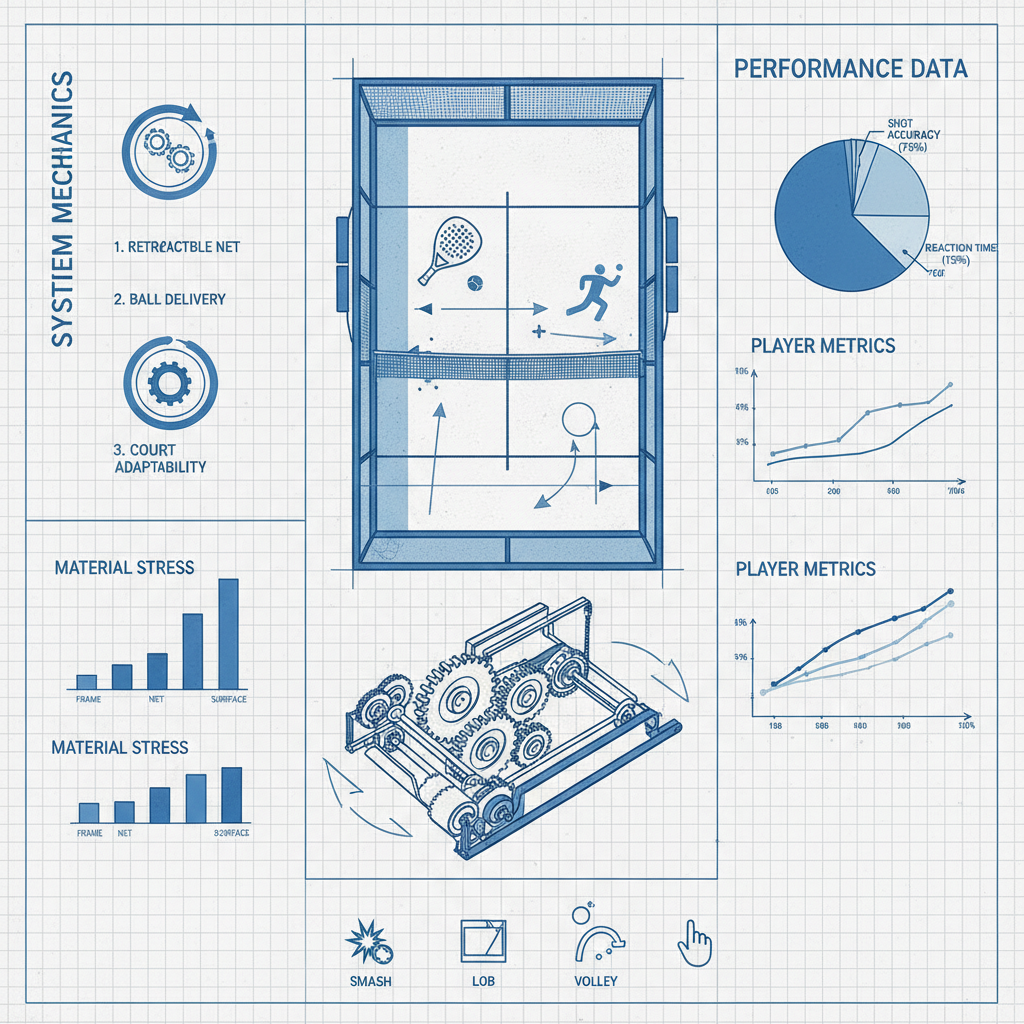
Indoor Paddle Tennis Technique Effectiveness
Global Growth and Popularity
Indoor paddle tennis is experiencing significant growth globally, particularly in Europe and North America. Countries like Spain, France, and the United States have witnessed a surge in the number of indoor paddle tennis clubs and players. This growth is driven by the sport's accessibility, social appeal, and relatively low barrier to entry.
The establishment of professional tours and tournaments has further fueled the sport’s popularity, attracting both aspiring athletes and dedicated fans. The World Paddle Tennis Tour (WPT) is a leading professional circuit showcasing top-level competition.
Benefits of Playing Indoor Paddle Tennis
Playing indoor paddle tennis offers a multitude of physical and mental benefits. It's an excellent cardiovascular workout, improving endurance, agility, and coordination. The fast-paced nature of the game demands quick reflexes and strategic thinking, enhancing cognitive function.
Furthermore, indoor paddle tennis is a highly social activity, fostering camaraderie and a sense of community. It provides an opportunity to connect with others, enjoy friendly competition, and improve overall well-being. The enclosed court environment also minimizes exposure to the elements, making it a year-round activity.
Beyond the physical and social advantages, indoor paddle tennis can also enhance mental resilience and stress management. The need to focus, anticipate, and react quickly can cultivate mindfulness and improve problem-solving skills.
Future Trends in Indoor Paddle Tennis
The future of indoor paddle tennis looks promising, with several emerging trends shaping its evolution. Increased investment in indoor facilities and courts is anticipated, making the sport more accessible to a wider audience. Technological advancements in paddle materials and design will likely lead to improved performance and enhanced playing experiences.
The integration of data analytics and performance tracking tools is also expected to become more prevalent, allowing players to analyze their game and optimize their strategies. Virtual reality and augmented reality technologies may offer innovative training methods and immersive gameplay experiences.
The emphasis on sustainability and eco-friendly practices is gaining momentum, with manufacturers exploring the use of recycled and renewable materials in paddle production. This commitment to environmental responsibility aligns with the growing global awareness of sustainability issues.
Key Aspects of Future Indoor Paddle Tennis Development
| Technology Integration |
Facility Development |
Sustainability Practices |
Professionalization & Growth |
| Enhanced Paddle Sensors |
Increased Court Availability |
Recycled Paddle Materials |
Expanding Professional Tours |
| VR Training Modules |
Multi-Court Complexes |
Energy-Efficient Lighting |
Growing Player Base |
| AI-Powered Analytics |
Community Center Partnerships |
Sustainable Court Surfaces |
Increased Sponsorship Opportunities |
| Data-Driven Coaching |
Accessible Location |
Eco-Friendly Paddle Production |
Youth Development Programs |
| Smart Paddle Technology |
Climate-Controlled Courts |
Waste Reduction Initiatives |
Enhanced Media Coverage |
| Personalized Training Plans |
Inclusive Design for All Ages |
Responsible Sourcing of Materials |
Global Competition Expansion |
FAQS
Indoor paddle tennis utilizes a solid paddle instead of a strung racquet, is played on a smaller, enclosed court allowing for wall play, and features an underhand serve without a bounce. These distinctions create a faster-paced, more strategic game with a different skillset required than traditional tennis.
Absolutely! Indoor paddle tennis is an excellent cardiovascular workout that improves endurance, agility, and coordination. The fast-paced rallies and constant movement demand significant physical exertion, making it a great way to stay active and healthy. It also engages various muscle groups, contributing to overall fitness.
You'll need a paddle, indoor court shoes with good lateral support, and comfortable athletic clothing. A depressurized rubber ball is also essential. Many clubs offer paddle rentals, so you can try the sport before investing in your own equipment.
Indoor paddle tennis is relatively easy to learn, making it accessible to players of all ages and skill levels. While mastering advanced techniques takes time and practice, the basic rules and mechanics are straightforward. Introductory lessons are highly recommended to learn the fundamentals correctly.
Online search engines and dedicated websites are great resources for finding nearby indoor paddle tennis courts and clubs. Many community centers and fitness facilities also offer indoor paddle tennis facilities. The World Paddle Tennis Tour website ([https://www.wptpadeltour.com/](https://www.wptpadeltour.com/)) can also provide information on clubs and tournaments.
Yes, indoor paddle tennis is experiencing significant growth worldwide. Its accessibility, social appeal, and unique gameplay are attracting a growing number of players. Investments in new facilities and increased professionalization are further fueling its popularity, positioning it as a sport with a bright future.
Conclusion
Indoor paddle tennis represents a dynamic and accessible sport with a growing global community. From its unique gameplay mechanics and strategic depth to its numerous physical and social benefits, this sport offers something for everyone. Understanding the essential equipment, techniques, and future trends will empower players to fully embrace this engaging and rewarding activity.
As indoor paddle tennis continues to evolve, embracing innovation and sustainability will be crucial for its long-term success. Whether you're a seasoned athlete or a newcomer to the sport, exploring the world of indoor paddle tennis offers a fantastic opportunity to enhance your fitness, build connections, and experience the joy of competitive play. Visit our website: indoor paddle tennis to learn more.



 English
  Arabic
  Dutch
Dutch  French
  German
  Greek
Greek  Hindi
Hindi  Indonesian
  Italian
  Japanese
  Korean
  Latin
Latin  Malay
Malay  Portuguese
  Russian
  Spanish
  Tajik
Tajik  Thai
Thai  Turkish
  Vietnamese