Padel double court is quickly becoming a global phenomenon, and for good reason. It’s more accessible than tennis, easier to pick up, and hugely social. But beyond the fun factor, understanding the specifics of a quality padel double court – its construction, materials, and maintenance – is critical. We're seeing a surge in demand, not just in traditional padel hotspots like Spain and Argentina, but across Europe, the Americas, and even Asia. That means a need for standardized quality, durable surfaces, and reliable installation. It’s not just about building a court; it’s about building a community hub that will last.
I've spent years on construction sites, getting my hands dirty with engineers, suppliers, and players. What I’ve learned is that a successful padel double court project isn’t just about following a blueprint; it’s about understanding the nuances of the local climate, soil conditions, and playing style. Too often, I see corners cut on materials or installation, leading to courts that don't hold up, or worse, present safety hazards. It's about delivering a premium experience for the players and a long-term investment for the owners.
The rapid growth of padel double court requires a focus on scalable and sustainable solutions. From finding reliable material suppliers to training skilled installers, the entire supply chain needs to be efficient and adaptable. This isn't just a temporary trend; padel is here to stay, and we need to ensure the infrastructure supports its continued expansion.
The Core Components of a Padel Double Court
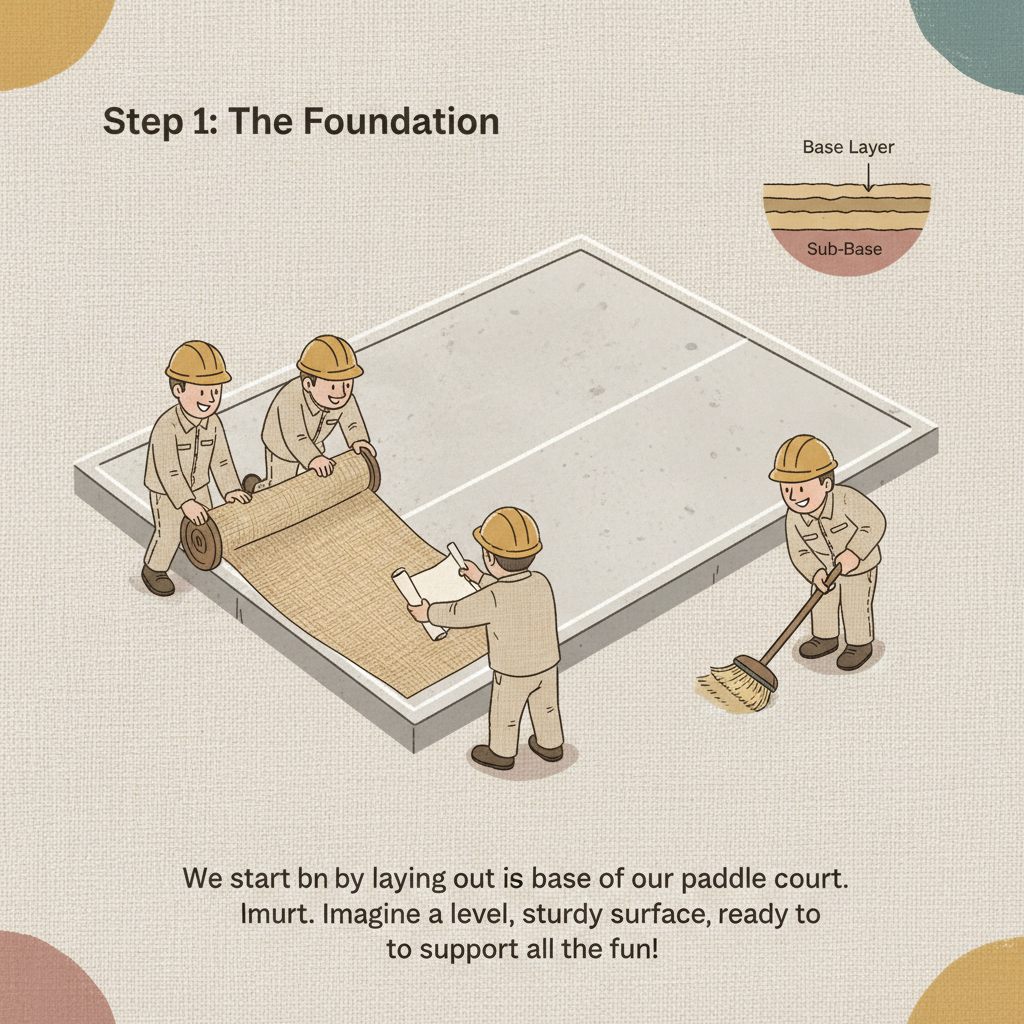
A padel double court isn’t just a flat surface; it's a carefully engineered system. The core components – the steel structure, the tempered glass and wire mesh walls, the synthetic turf, and the sub-base – all work together to create the unique playing experience. You often find folks overlooking the importance of a well-prepared sub-base. If the ground isn't properly leveled and compacted, you’ll end up with uneven bounce and potential structural issues down the line. I've seen too many courts fail because of that initial oversight.
The quality of the glass is paramount. It needs to be sufficiently tempered to withstand impacts and provide a safe playing environment. Cheap glass will crack, shatter, and pose a serious risk to players. The wire mesh needs to be properly tensioned and secured to the glass, ensuring a consistent rebound. These details aren’t glamorous, but they’re absolutely critical.
Global Standardization & Regulatory Compliance
One of the biggest challenges facing the padel world right now is the lack of globally standardized regulations. Different countries, and even different regions within countries, have varying requirements for court dimensions, materials, and safety standards. This creates headaches for manufacturers, installers, and tournament organizers. It’s critical that we move towards a unified set of guidelines to ensure consistency and fairness.
The World Padel Tour (WPT) has made strides in establishing standards, but these aren't universally adopted. We need governing bodies to collaborate and develop clear, enforceable regulations that prioritize player safety and fair play. The ISO standards are a good starting point, but need to be continually updated to reflect the latest technological advancements.
Compliance isn’t just about avoiding penalties; it’s about building trust with players and ensuring the long-term sustainability of the sport. Players want to know they're playing on a safe, well-maintained court that meets recognized standards.
Material Science and Durability
The materials used in a padel double court have a huge impact on its longevity and performance. The synthetic turf, for instance, needs to be UV-resistant, durable, and provide consistent grip in all weather conditions. Cheaper turfs fade quickly, lose their resilience, and become slippery when wet. I’ve seen some that barely last a year before needing replacement.
The choice of binding material for the turf is equally important. Latex-backed turf is cheaper, but it deteriorates faster than polyurethane-backed turf. Polyurethane offers superior durability and resistance to wear and tear, making it a worthwhile investment in the long run. I've been pushing for more polyurethane options for years, and I’m starting to see more manufacturers come around.
Even the type of sand or silica used as infill can affect the court's performance. The right infill provides cushioning, stability, and drainage. Too much infill makes the court slow and heavy; too little, and it becomes hard and unforgiving. Finding the optimal balance is key.
Cost Analysis of Padel Double Court Construction
Building a padel double court isn’t cheap, but the costs can vary significantly depending on the materials used, the complexity of the installation, and the location. As a rule of thumb, you can expect to pay anywhere from $20,000 to $50,000 or more for a complete court, including materials, labor, and permits. I always recommend getting multiple quotes and carefully comparing the specifications.
Don't just focus on the upfront cost; consider the long-term maintenance expenses as well. A cheap court may seem appealing at first, but if it requires frequent repairs or replacements, it will end up costing you more in the long run. Investing in quality materials and professional installation will save you money and headaches down the road.
Padel Double Court Cost Breakdown
Applications Across Diverse Environments
Padel double court is surprisingly versatile. I’ve installed courts in everything from traditional sports clubs to shopping malls, hotels, and even rooftop terraces. The key is adapting the design and construction to the specific environment. For example, a court built on a rooftop needs to be lighter and more structurally sound than one built on solid ground.
We're also seeing a growing demand for portable padel courts, which can be easily assembled and disassembled for events or temporary installations. These are ideal for promoting the sport in new areas or for hosting tournaments in unconventional locations.
Long-Term Value and Return on Investment
A well-built padel double court is a long-term investment. It can generate revenue through court rentals, membership fees, and tournament hosting. It also adds value to a property and attracts new customers. The return on investment can be significant, especially in areas where padel is popular.
Beyond the financial benefits, padel double court promotes a healthy and active lifestyle. It provides a social outlet for players of all ages and skill levels. It’s a community asset that can enhance the quality of life for residents.
And let's not forget the power of the padel community. People build relationships, friendships, and even businesses around the sport. That social connection is invaluable.
Future Innovations in Padel Court Technology
The padel industry is constantly evolving. We're seeing innovations in materials, construction techniques, and court design. For example, some manufacturers are experimenting with new types of synthetic turf that offer improved grip and durability. Others are developing modular court systems that can be quickly and easily assembled.
Smart courts are also on the horizon, incorporating sensors and data analytics to track player performance, monitor court usage, and provide real-time feedback. These technologies have the potential to enhance the playing experience and optimize court management.
Sustainability is another key trend. Manufacturers are increasingly using recycled materials and developing eco-friendly construction practices. We need to minimize the environmental impact of padel double court construction and promote responsible resource management.
Table Summarizing Future Innovations in Padel Court Technology
| Innovation Category |
Specific Technology |
Expected Impact |
Implementation Timeline |
| Materials Science |
Bio-Based Synthetic Turf |
Reduced Environmental Footprint |
2-5 Years |
| Construction Methods |
Prefabricated Modular Panels |
Faster Installation, Reduced Costs |
1-3 Years |
| Court Technology |
Integrated Sensor Networks |
Player Performance Tracking |
3-7 Years |
| Court Design |
Adjustable Wall Heights |
Adaptable Difficulty Levels |
2-4 Years |
| Sustainability |
Recycled Glass and Steel |
Reduced Waste, Lower Carbon Footprint |
Ongoing |
| Lighting |
Energy-Efficient LED Systems |
Reduced Energy Consumption |
Immediate |
FAQS
A properly constructed and maintained padel double court, using quality materials, can realistically last between 10-15 years. However, this is heavily dependent on the climate, usage frequency, and how consistently maintenance is performed. Regular cleaning, turf brushing, and inspection of the glass and structure are essential. Ignoring minor issues can lead to accelerated deterioration and costly repairs.
Location is crucial! You need a level surface with good drainage. Consider the prevailing wind direction – you don’t want strong winds constantly interfering with play. Proximity to parking and access for players is also important. Don’t forget about noise restrictions – the sound of the ball can be quite loud, so you need to ensure you’re not disturbing nearby residents. And of course, sunlight exposure can impact playability and turf temperature.
Regular maintenance is key to extending the life of your court. This includes daily brushing of the turf to remove debris, weekly cleaning with a mild detergent, and periodic checks for damage to the glass, mesh, and structure. You’ll also need to top up the sand infill as needed and address any drainage issues promptly. Annual professional inspections are highly recommended to identify and address potential problems before they escalate.
One of the biggest challenges is ensuring a perfectly level and stable sub-base. Poor preparation can lead to cracking, uneven bounce, and structural issues. Another common issue is sourcing high-quality materials – there are a lot of cheaper alternatives out there that don’t hold up well. Finding skilled and experienced installers can also be a challenge, as padel double court construction requires specialized knowledge.
Yes, absolutely! Indoor padel courts are becoming increasingly popular, especially in climates with harsh weather. However, you need to ensure the venue has sufficient height (at least 6 meters) and adequate ventilation. The flooring needs to be suitable for padel play, providing good grip and cushioning. And you’ll need to consider lighting requirements to ensure optimal visibility.
Repair costs vary depending on the extent of the damage. Replacing a cracked glass panel can cost anywhere from $1,500 to $3,000. Repairing significant turf damage can range from $500 to $1,500. Structural repairs can be much more expensive, potentially costing several thousand dollars. This is why preventative maintenance is so important – it’s always cheaper to fix small problems before they become major issues.
Conclusion
Investing in a padel double court is about more than just building a sports facility; it's about fostering a community, promoting an active lifestyle, and creating a long-term asset. By prioritizing quality materials, proper construction, and regular maintenance, you can ensure that your court provides years of enjoyment and generates a solid return on investment. It’s about understanding the nuances, learning from best practices, and staying ahead of the curve in this rapidly evolving sport.
The future of padel double court is bright. With continued innovation in materials, technology, and construction methods, we can expect to see even more durable, sustainable, and accessible courts emerge. Let's build responsibly, prioritize player safety, and continue to grow this incredible sport for generations to come. For expert guidance and quality court solutions, visit our website: www.yocoolcn.com


 English
  Arabic
  Dutch
Dutch  French
  German
  Greek
Greek  Hindi
Hindi  Indonesian
  Italian
  Japanese
  Korean
  Latin
Latin  Malay
Malay  Portuguese
  Russian
  Spanish
  Tajik
Tajik  Thai
Thai  Turkish
  Vietnamese