Padel court tennis. It’s more than just a sport; it’s a rapidly growing phenomenon. From its humble beginnings in Mexico, it's exploded across Europe and is now making serious inroads in the Americas and beyond. I’ve seen firsthand how quickly a community can rally around a well-built padel court – it's a social hub, a fitness outlet, and a competitive arena all rolled into one. Understanding the intricacies of padel court tennis – not just the game itself, but the construction, the materials, and the ongoing maintenance – is becoming crucial for developers, recreational facility managers, and even local municipalities.
The demand is outpacing supply, frankly. I'm constantly on sites where folks are trying to retrofit existing tennis courts or squeeze a padel court into an ill-suited space. That’s where a solid understanding of proper construction principles, material selection, and long-term durability comes in. We're seeing a lot of shortcuts being taken, and believe me, those shortcuts cost money in the long run – repairs, replacements, safety concerns. It’s not just about slapping down some glass and mesh; it's about building something that will last and provide a safe, enjoyable experience for players.
And it's not a static thing, either. New materials are emerging, construction techniques are evolving, and the governing bodies are constantly refining the rules and standards. Staying on top of these changes is essential for anyone involved in the padel court tennis industry. This isn't just about building courts; it's about building communities and fostering a passion for a fantastic sport.
The Foundations of Padel Court Tennis
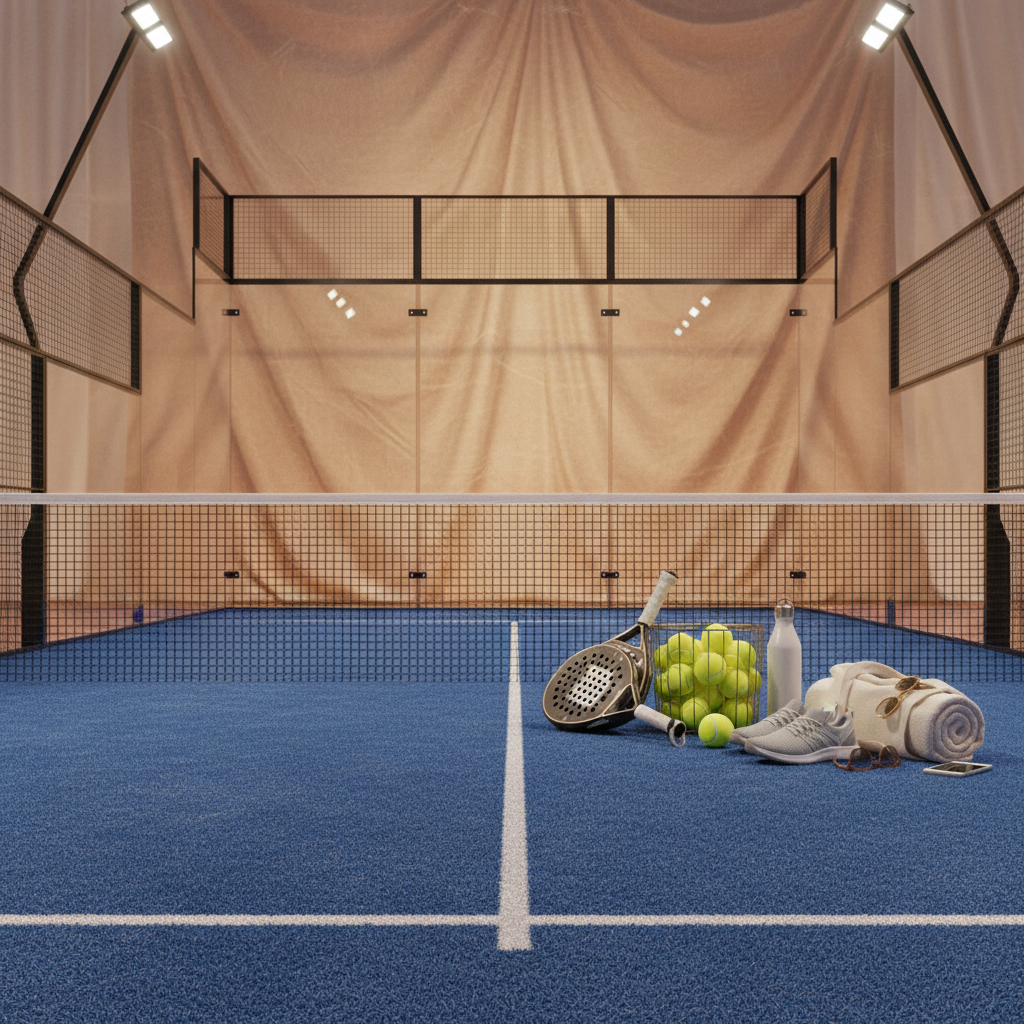
Padel court tennis, at its core, is a hybrid of tennis and squash. Played on a smaller court enclosed by glass and mesh walls, it emphasizes strategy, reflexes, and teamwork. What I've seen on sites is that people underestimate the importance of a solid foundation. Proper ground preparation – compaction, drainage – that's where it all starts. A poorly prepared base will lead to cracking, shifting, and ultimately, a court that's unplayable. And believe me, fixing those issues is far more expensive than doing it right from the beginning.
The rise in padel court tennis is directly tied to its accessibility. It’s easier to learn than traditional tennis, less physically demanding, and encourages social interaction. That accessibility drives demand for well-maintained, safe courts. And that’s where the understanding of the foundational elements – the base, the walls, the playing surface – becomes absolutely critical. We're talking about ensuring a level playing field, literally and figuratively.
Core Materials and Construction
The materials used in padel court tennis construction significantly impact the court's performance and longevity. You’ve got your tempered glass – 10 or 12mm is standard – which needs to be properly supported and installed to withstand impacts. The mesh panels, usually galvanized steel, need to be durable and corrosion-resistant, especially in coastal environments. The synthetic turf, that’s a whole other conversation, with different pile heights, densities, and infill materials to consider.
Construction typically involves a reinforced concrete base, steel framing for the glass and mesh, and a multi-layered synthetic turf system. But it's the details that matter. Proper sealing around the glass panels to prevent water ingress, correct tensioning of the mesh, and a consistent turf surface – these are the things that separate a good court from a great court. I've seen too many courts where corners were cut on materials, and the results are always the same: premature failure and costly repairs.
From a practical standpoint, sourcing quality materials is paramount. You need suppliers who understand the specific requirements of padel court tennis and can provide materials that meet those standards. Don't just go with the cheapest option; invest in quality, and you’ll save money in the long run. I always stress to my crews, “Buy once, buy right.”
Durability and Longevity
Durability in padel court tennis isn't just about withstanding wear and tear; it’s about resisting the elements. Exposure to sunlight, rain, and temperature fluctuations can all take their toll on the materials. Proper UV protection for the turf, corrosion-resistant coatings for the steel, and robust sealing around the glass are essential for maximizing the court's lifespan.
Regular maintenance is also key. Cleaning the turf, inspecting the glass and mesh for damage, and re-tensioning the mesh as needed can significantly extend the court's life. I always advise clients to establish a preventative maintenance schedule and stick to it. A little bit of upkeep can prevent major problems down the road. It’s like servicing a vehicle, really.
A well-maintained padel court can easily last 10-15 years, even with heavy use. But neglect it, and you’ll be looking at major repairs or even a complete replacement much sooner. It's a simple equation: investment in quality materials and regular maintenance equals longevity.
Cost Analysis of Padel Court Tennis Facilities
Building a padel court tennis facility isn't cheap, but the return on investment can be substantial. The costs break down into several categories: land acquisition (if necessary), site preparation, materials, labor, and ongoing maintenance. The biggest chunk of the budget typically goes towards the court construction itself – the glass, mesh, turf, and base.
When I’m preparing a cost estimate for a client, I always factor in contingency funds for unexpected issues – drainage problems, unforeseen ground conditions, material price fluctuations. And don't forget the ancillary costs: lighting, fencing, access control, and landscaping. Those can add up quickly.
Padel Court Tennis Facility Cost Breakdown
Global Applications and Market Trends
Padel court tennis is experiencing explosive growth worldwide. Spain remains the epicenter, with a court per capita ratio that's far higher than anywhere else. But we're seeing rapid expansion in countries like Argentina, Sweden, Portugal, and the United States. Developers are integrating padel courts into resorts, residential communities, and standalone sports facilities.
The market is being driven by a number of factors: the sport's accessibility, its social appeal, and the relatively small footprint of a padel court compared to a tennis court. We’re also seeing a trend towards multi-court facilities, catering to leagues, tournaments, and social play. It's become a viable business opportunity for entrepreneurs and investors.
Sustainability and Environmental Impact
Sustainability is becoming an increasingly important consideration in padel court tennis construction. Using recycled materials, minimizing waste during construction, and implementing water-efficient landscaping practices can all reduce the environmental impact of a facility.
The choice of turf is particularly important. Some turf materials contain harmful chemicals, while others are more eco-friendly. I always recommend opting for turf that's made from recycled materials and doesn't require excessive infill. It's a small change that can make a big difference.
Proper drainage is also crucial for minimizing water runoff and protecting local ecosystems. A well-designed drainage system can prevent erosion and pollution, and it can also extend the life of the court itself.
Future Innovations in Padel Court Tennis Construction
The future of padel court tennis construction is looking exciting. We're seeing innovations in materials – more durable, sustainable, and impact-resistant glass and mesh. Smart court technology, with sensors that track player performance and provide real-time data, is also on the horizon.
I’m particularly interested in the development of modular padel courts – prefabricated units that can be quickly and easily assembled on-site. This could significantly reduce construction time and costs, and it could also make padel more accessible to communities with limited resources.
Another trend to watch is the integration of renewable energy sources – solar panels to power the lighting, rainwater harvesting for irrigation. Building sustainable padel court tennis facilities is not just good for the environment; it's good for business.
Summary of Key Considerations for Padel Court Tennis Construction
| Material Quality |
Construction Technique |
Maintenance Schedule |
Long-Term Cost |
| High-grade glass & mesh |
Proper foundation & sealing |
Regular turf cleaning & inspections |
$500 - $1000/year |
| Durable synthetic turf |
Accurate mesh tensioning |
Periodic turf replacement (every 8-10 years) |
$2,000 - $5,000 (turf replacement) |
| UV-resistant coatings |
Consistent turf surface |
Annual inspection for structural integrity |
$100 - $300 (annual inspection) |
| Galvanized steel supports |
Professional installation |
Prompt repair of any damage |
$50 - $200 (minor repairs) |
| Recycled content materials |
Adherence to safety standards |
Compliance with local regulations |
Variable (permitting costs) |
| Proper drainage systems |
Detailed construction plans |
Documentation of all maintenance activities |
$0 - $100 (recordkeeping) |
FAQS
A properly constructed and regularly maintained padel court can realistically last between 10 to 15 years, sometimes even longer. This depends heavily on the quality of materials used, the initial construction process, and the consistency of the maintenance schedule. Things like regular turf cleaning, glass inspections, and mesh tensioning are key. I've seen courts exceeding 20 years with diligent upkeep, but that's the exception, not the rule. Neglecting maintenance will drastically shorten its lifespan.
Drainage is absolutely critical. Poor drainage leads to water pooling on the court surface, which can cause the turf to degrade, the base to become unstable, and even structural damage to the surrounding structure. Effective drainage prevents these issues, extends the court’s lifespan, and ensures a safe playing surface. It also minimizes the risk of algae and moss growth, which can make the court slippery. It's one of the first things I check on a site visit.
The ideal turf for a padel court is a synthetic turf specifically designed for sports applications. Look for a turf with good durability, UV resistance, and a pile height that provides a balance of speed and comfort. I recommend choosing a turf that’s made from recycled materials whenever possible. The infill material is also important; silica sand is common, but some courts use a combination of sand and rubber granules for improved performance. Avoid cheaper turfs that degrade quickly and require frequent replacement.
The biggest challenges usually revolve around site preparation and ensuring a perfectly level base. Ground conditions can vary significantly, and you might encounter issues like unstable soil or poor drainage. Properly preparing the base is essential for preventing cracking and shifting. Another challenge is accurately installing the glass and mesh panels to ensure they’re securely attached and can withstand impacts. It’s a precision job that requires skilled labor.
The cost of building a padel court varies widely depending on the location, materials used, and the complexity of the project. Generally, you can expect to pay anywhere from $30,000 to $60,000 USD for a basic court, including materials and labor. However, this figure can easily increase if you need to do extensive site preparation, install lighting, or add other amenities. It’s always best to get multiple quotes from experienced contractors.
Permitting requirements vary depending on your location. You’ll likely need to obtain a building permit and potentially zoning approvals. There may also be regulations regarding noise levels, lighting, and accessibility. It’s crucial to check with your local authorities early in the planning process to ensure you’re complying with all applicable regulations. Ignoring these requirements can lead to costly delays and fines.
Conclusion
Padel court tennis is a rapidly expanding sport with a bright future. Its accessibility, social appeal, and relatively low barrier to entry are driving demand for high-quality, well-maintained facilities. Understanding the intricacies of padel court tennis construction – from site preparation and material selection to ongoing maintenance – is critical for ensuring that these facilities are safe, durable, and enjoyable for players of all levels.
Investing in quality materials, adhering to best practices, and prioritizing regular maintenance are essential for maximizing the lifespan and return on investment of a padel court. As the sport continues to grow, innovation will play a key role in shaping the future of padel court tennis construction, with a focus on sustainability, modularity, and smart technology. Visit our website at padel court tennis to learn more about our expertise and solutions.

 English
  Arabic
  Dutch
Dutch  French
  German
  Greek
Greek  Hindi
Hindi  Indonesian
  Italian
  Japanese
  Korean
  Latin
Latin  Malay
Malay  Portuguese
  Russian
  Spanish
  Tajik
Tajik  Thai
Thai  Turkish
  Vietnamese