You know, this padel tennis court business… it’s blown up, hasn’t it? Seems like every other patch of land is getting converted. It’s not just Spain anymore, either. I was over in Sweden last month and they’re obsessed. Honestly, it’s good to see some life back in the sports equipment industry. Been a bit quiet for a while, you know? Everyone’s just staring at screens these days.
But it’s also creating a bit of a headache. Everyone wants them now, and cheap. And that’s where things get tricky. To be honest, I’ve seen some courts built with materials that… well, let’s just say they won’t last a season. It’s all about the details, really.
Have you noticed how everyone’s jumping on the “artificial turf” bandwagon? Looks good in the brochures, but the quality varies wildly. Some of it feels like running on sandpaper, others are surprisingly decent. It’s a minefield.
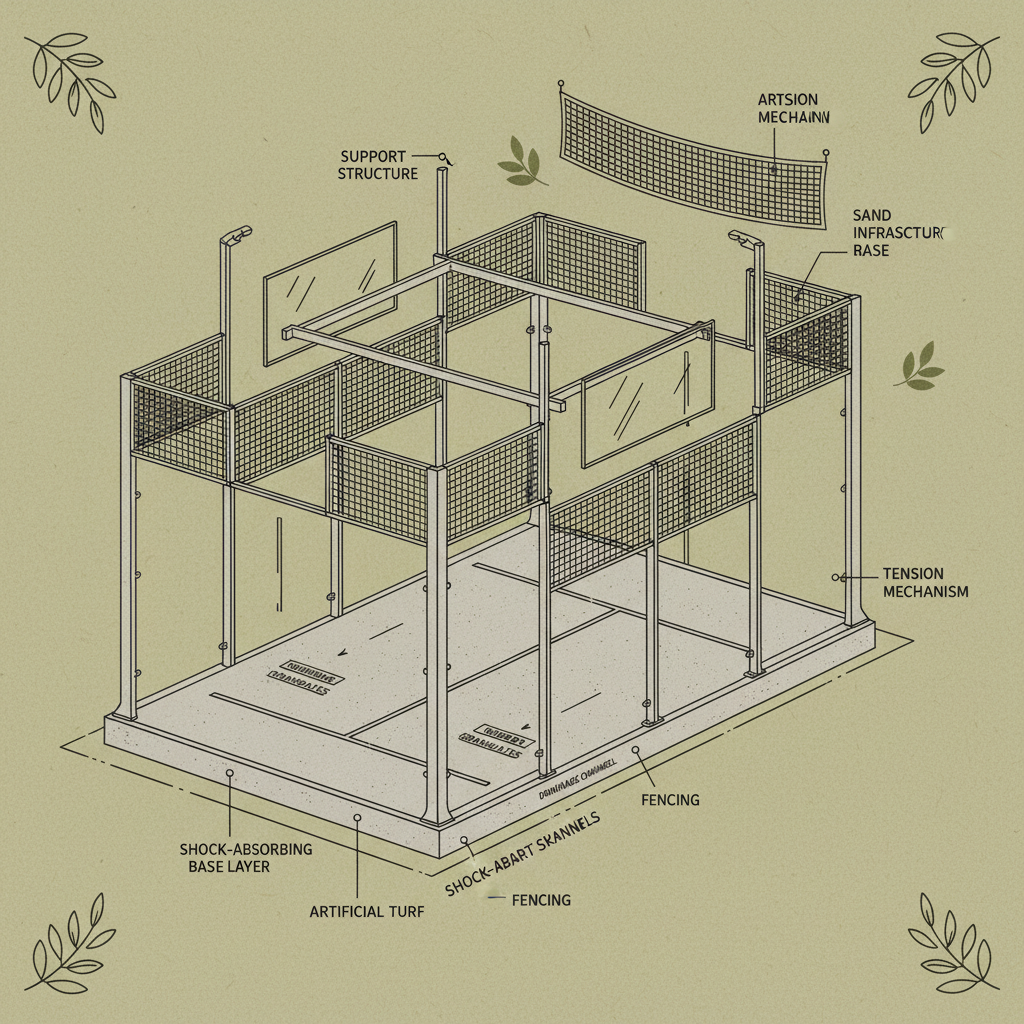
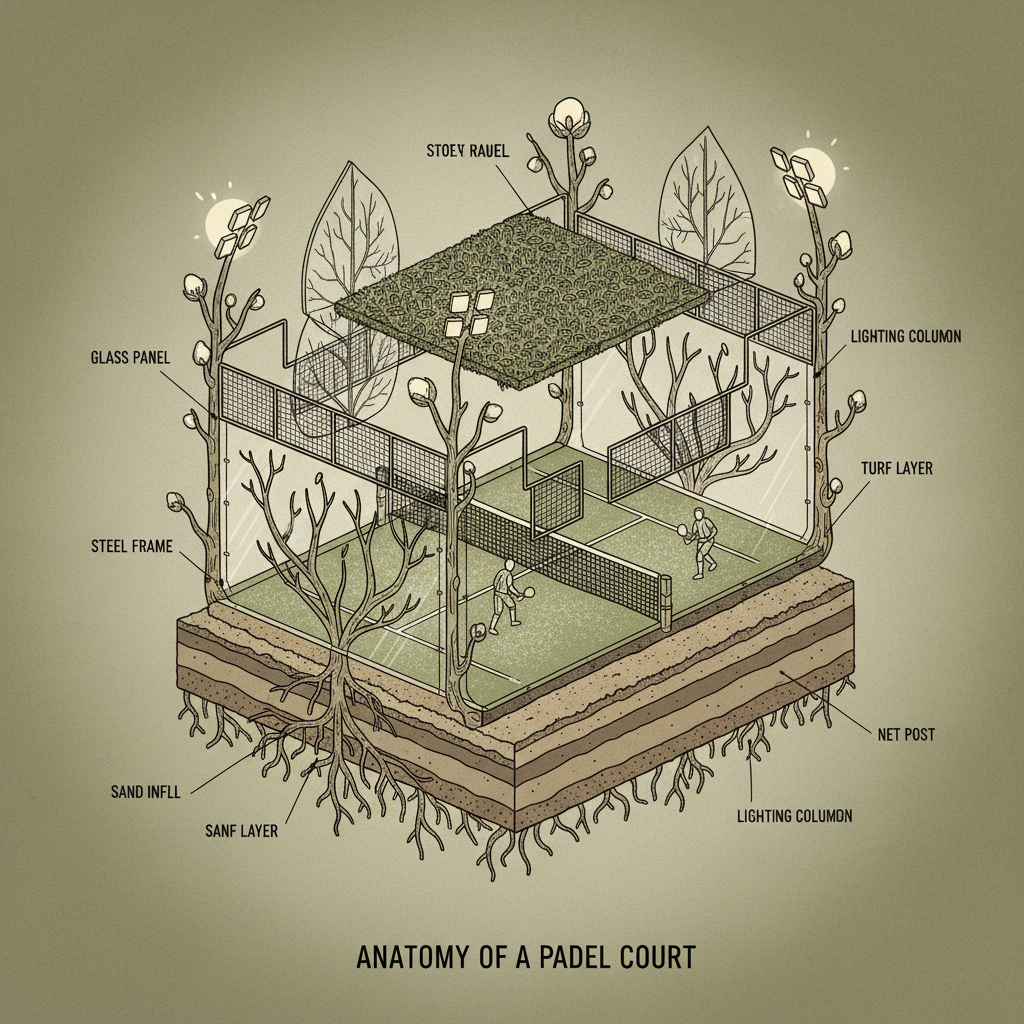
Strangely, the biggest trend isn’t necessarily the courts themselves, but the lighting. Everyone wants to play at night, and good lighting is expensive. I encountered this at a factory in Ningbo last time, they were scrambling to source decent LEDs. It’s not just brightness, it’s the glare, the color temperature… it all matters. And the cheaper stuff flickers. Nobody wants to play under a strobe light.
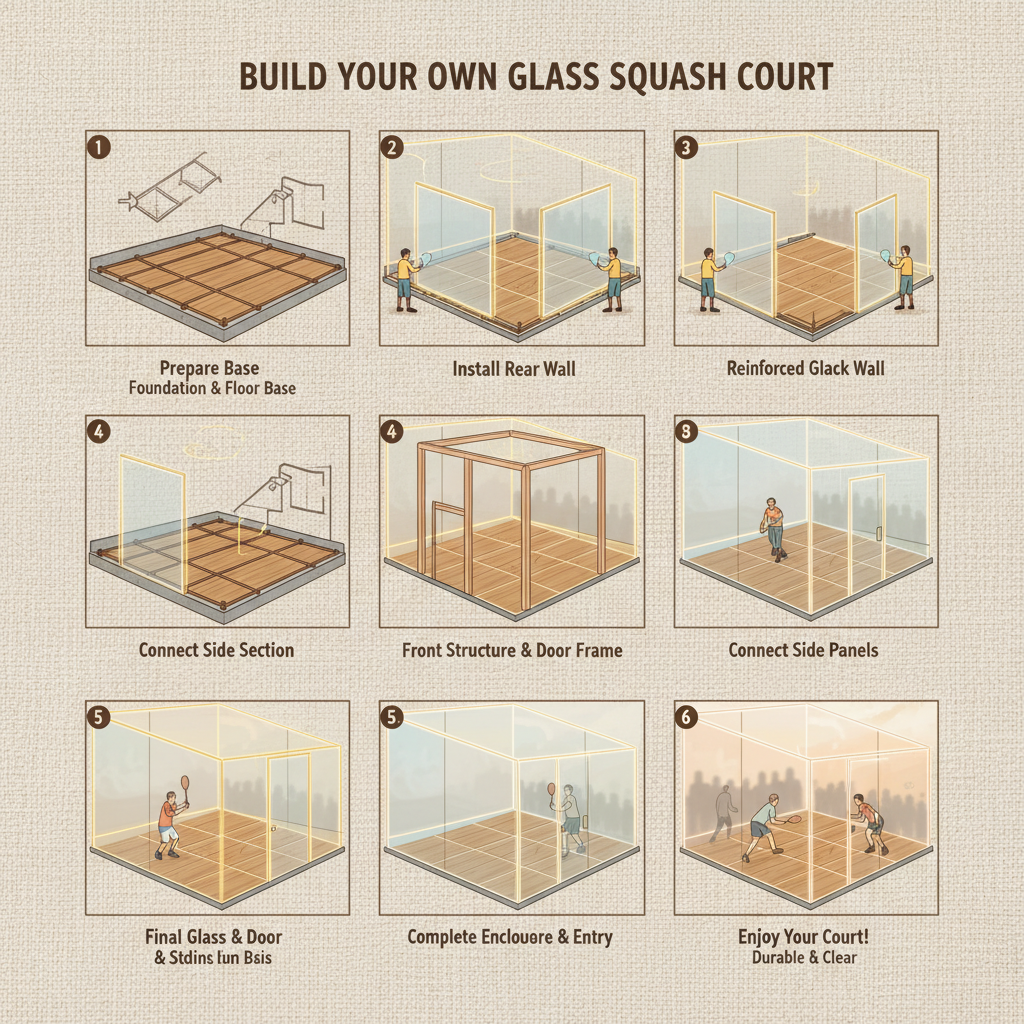
The demand for quick installation is also huge. People don’t want to wait months. They want a court up and running in weeks, sometimes even days. That pushes everyone towards modular designs, which have their own set of problems.
The installation timeline for a padel tennis court varies significantly based on site preparation, foundation requirements, and the complexity of the court design. A standard installation can range from 2 to 6 weeks, though more complex projects may exceed this timeframe. Proper site assessment and planning are vital to ensure a smooth and timely completion of the installation process, minimizing disruptions and maximizing the court's usability.
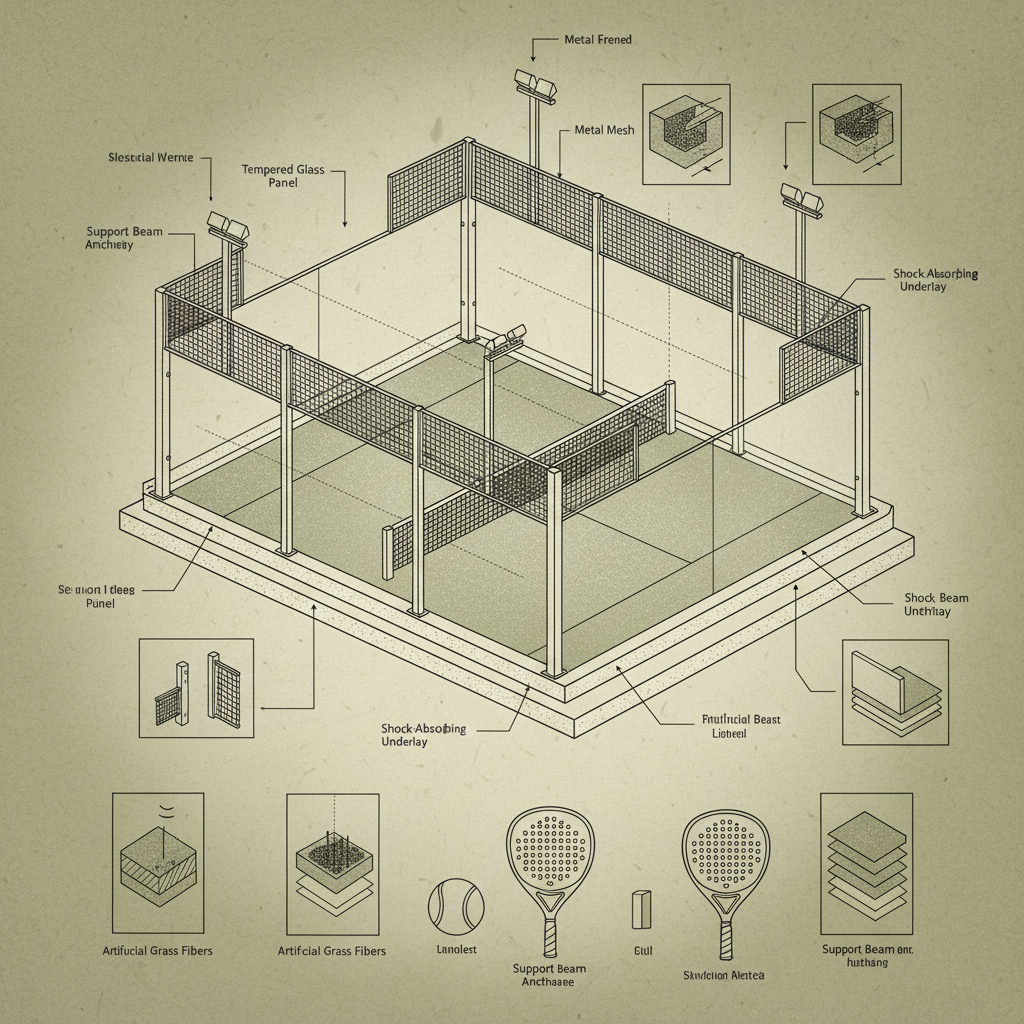
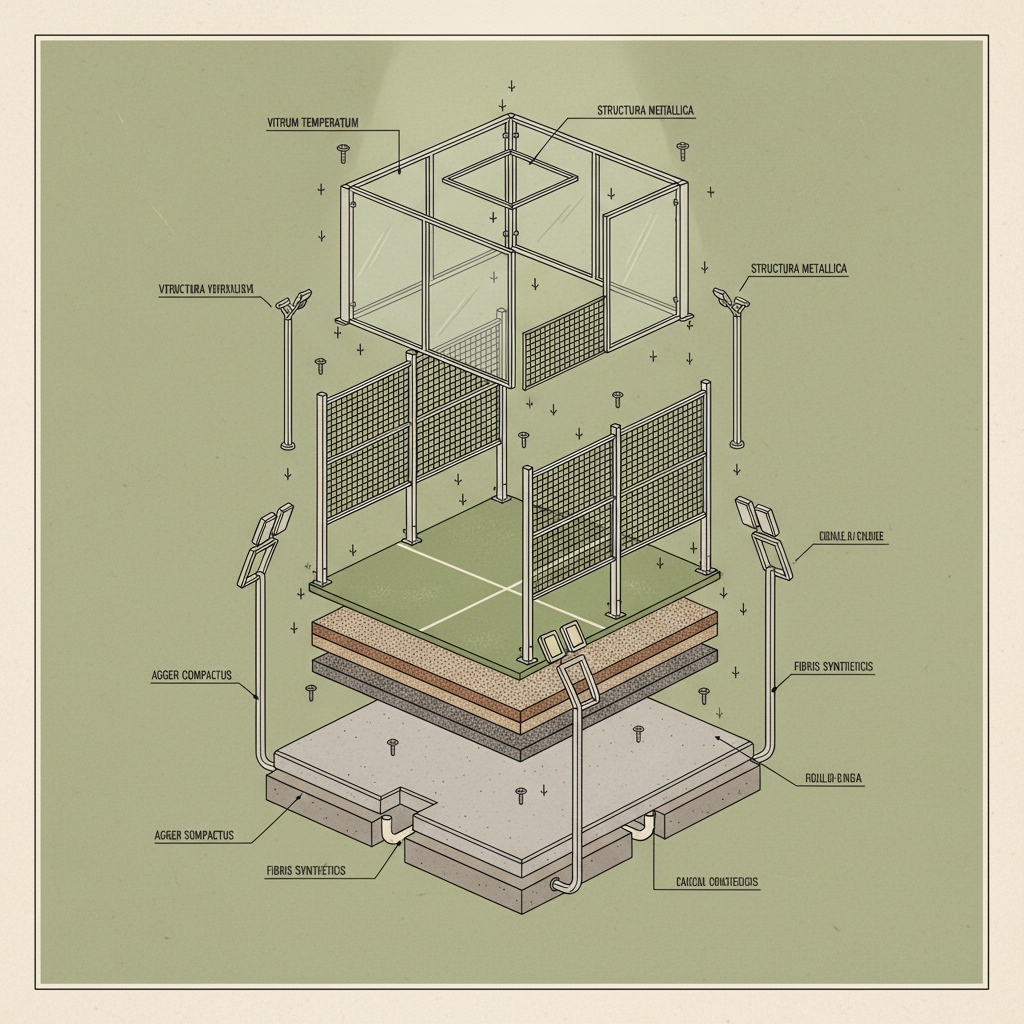
Regular maintenance is key to prolonging the life and playability of a padel tennis court. This includes periodic brushing of the artificial turf to prevent matting, replenishment of sand infill as needed, and inspection of the glass panels and steel frame for any signs of damage. Additionally, maintaining proper drainage is crucial, as is cleaning the surface to remove debris and prevent the growth of algae or moss. Implementing a consistent maintenance schedule ensures a safe and enjoyable playing experience.
The cost of building a padel tennis court can fluctuate greatly depending on various factors, including the court's location, materials used, and labor costs. A basic court installation typically ranges from $20,000 to $40,000 USD. Additional costs may arise from site preparation, foundation work, lighting, fencing, and customization options. Obtaining quotes from multiple contractors and carefully evaluating the included features and materials is recommended to ensure a transparent and cost-effective project.
The ideal foundation for a padel tennis court is a reinforced concrete slab, offering superior stability and long-term durability. A well-prepared base ensures a level playing surface and minimizes the risk of cracking or settling over time. Alternative foundation options, such as compacted gravel or asphalt, may be suitable for certain sites, but they typically require more frequent maintenance and may not provide the same level of support. Consulting with a structural engineer is recommended to determine the most appropriate foundation for your specific site conditions.
Safety is paramount when constructing a padel tennis court. Key considerations include the use of tempered glass panels that meet industry safety standards, proper installation of fencing to prevent ball escape and protect spectators, and ensuring adequate lighting for nighttime play. Furthermore, the court surface should provide sufficient grip to minimize the risk of slips and falls. Adhering to local building codes and regulations is essential for ensuring a safe and compliant installation.
Absolutely! Customization is a popular option for padel tennis courts. The steel frame can be powder-coated in a variety of colors to match club branding or aesthetic preferences. The artificial turf is also available in different colors, allowing for personalized court designs. Additionally, logos and graphics can be incorporated into the court surface or fencing to enhance branding and create a unique playing environment. It's best to discuss customization options with your contractor during the planning phase to ensure seamless integration.
Ultimately, building a padel tennis court isn’t just about throwing some steel and glass together. It's about understanding the materials, anticipating the problems, and building something that will actually hold up to years of use. There’s a lot of hype around this sport right now, and a lot of companies trying to cash in. But a good court is more than just a marketing gimmick. It’s a place where people come to compete, to socialize, and to have fun.
And in the end, whether this thing works or not, the worker will know the moment he tightens the screw. That’s the truth of it. If it feels solid, if it looks right, if it bounces true… then you’ve got something good. Don't overthink it. Just build it right.


 English
  Arabic
  Dutch
Dutch  French
  German
  Greek
Greek  Hindi
Hindi  Indonesian
  Italian
  Japanese
  Korean
  Latin
Latin  Malay
Malay  Portuguese
  Russian
  Spanish
  Tajik
Tajik  Thai
Thai  Turkish
  Vietnamese