The world of table tennis, or ping pong, is constantly evolving, with advancements in equipment significantly impacting the game. A new ping pong paddle isn't just a piece of wood and rubber; it's a carefully engineered tool designed to enhance performance, control, and spin. Understanding the nuances of these new paddles is crucial for players of all levels, from beginners to professionals, seeking to elevate their game.
The global market for table tennis equipment is substantial and growing, fueled by increasing participation in the sport worldwide. Data from the International Table Tennis Federation (ITTF) indicates a rise in registered players and tournament attendance globally, driving demand for higher quality equipment, including new ping pong paddle designs. This expansion isn't limited to established table tennis nations; the sport is gaining traction in emerging markets, creating new opportunities for manufacturers and retailers.
A key challenge faced by players is selecting the right paddle for their playing style and skill level. The sheer variety available can be overwhelming. A new ping pong paddle often incorporates cutting-edge materials and construction techniques aimed at addressing specific performance needs. This guide aims to demystify the process and provide a comprehensive overview of what makes a modern ping pong paddle truly exceptional.
Understanding the Core Components of a new ping pong paddle
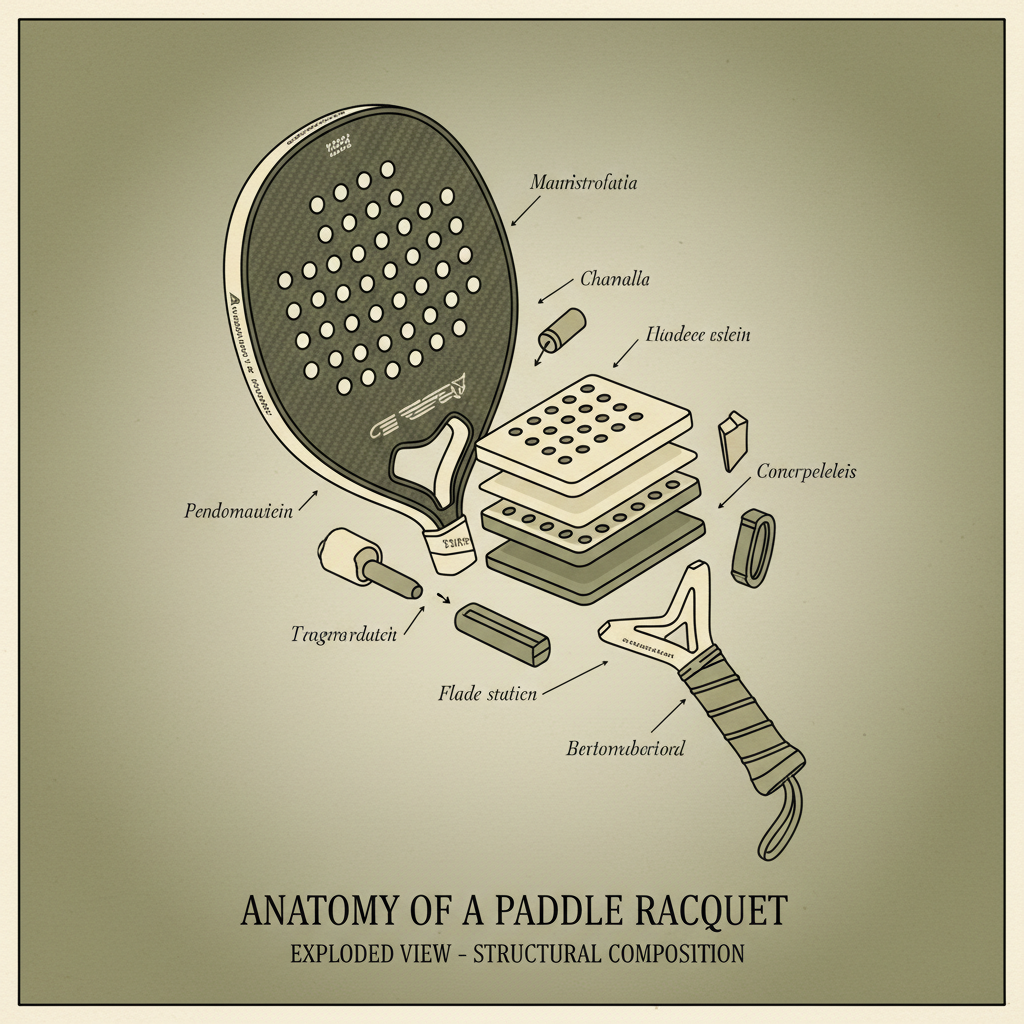
A new ping pong paddle comprises three main components: the blade, the rubber, and the handle. The blade, typically made of wood, provides the structural foundation. The rubber, glued to the blade, is responsible for generating spin and controlling the ball. The handle allows the player to grip the paddle comfortably and maneuver it effectively. Each component plays a vital role in the overall performance of the paddle.
Modern blades often utilize multiple layers of wood, sometimes combined with synthetic materials like carbon fiber or fiberglass, to enhance stiffness, power, and control. The type of wood used (e.g., Limba, Ayous, Walnut) also influences the paddle's feel and responsiveness. Understanding these basic components is the first step in choosing a paddle that suits your playing style.
The Impact of Rubber Technology on new ping pong paddle Performance
Rubber is arguably the most crucial element of a new ping pong paddle. Modern rubbers are complex compositions of natural and synthetic polymers, designed to maximize grip, spin, and speed. Different types of rubber cater to various playing styles. For example, inverted rubber is popular among attacking players due to its excellent spin potential, while short pips rubber is favored by defensive players for its control and blocking capabilities.
The thickness and hardness of the rubber also significantly impact performance. Thicker rubber generally provides more speed and spin, but requires more effort to control. Harder rubber offers greater speed and penetration but less grip, while softer rubber provides better control and spin generation. The choice of rubber is often a compromise between these factors, tailored to the player’s individual preferences.
Recent advancements in rubber technology have led to the development of "tacky" rubbers that provide exceptional grip and spin, and "dynamic friction" rubbers that offer a balance of speed, spin, and control. These new materials continue to push the boundaries of table tennis performance.
Blade Material and Its Influence on a new ping pong paddle
The blade of a new ping pong paddle significantly influences the overall feel and performance. Traditionally, blades are made from wood, but the specific types of wood and their combination dramatically affect characteristics such as speed, control, and vibration dampening.
Common wood types include Limba, Ayous, and Walnut. Limba is known for its soft feel and excellent control, Ayous is lightweight and provides good speed, while Walnut adds stiffness and power. Modern blades frequently incorporate carbon fiber or fiberglass layers, enhancing speed and providing a larger sweet spot. However, these materials can also reduce the blade's flexibility and feel.
The number of plies (layers) in a blade also plays a role. More plies generally increase speed and stiffness, while fewer plies offer more flexibility and control. A well-constructed blade balances these factors to provide a comfortable and effective playing experience.
Weight, Balance and Grip: Key Ergonomic Factors of a new ping pong paddle
Beyond materials, the weight, balance, and grip of a new ping pong paddle are critical ergonomic factors. Paddle weight impacts speed and maneuverability. Lighter paddles are easier to swing quickly but may lack power, while heavier paddles offer more power but require greater strength and effort.
Balance refers to how the weight is distributed within the paddle. Head-heavy paddles provide more power for attacking shots, while handle-heavy paddles offer greater control for defensive play. Grip comfort is also paramount. A comfortable grip reduces fatigue and allows for better control and precision. Handles come in various shapes (flared, straight, anatomic) and thicknesses to accommodate different hand sizes and grip styles.
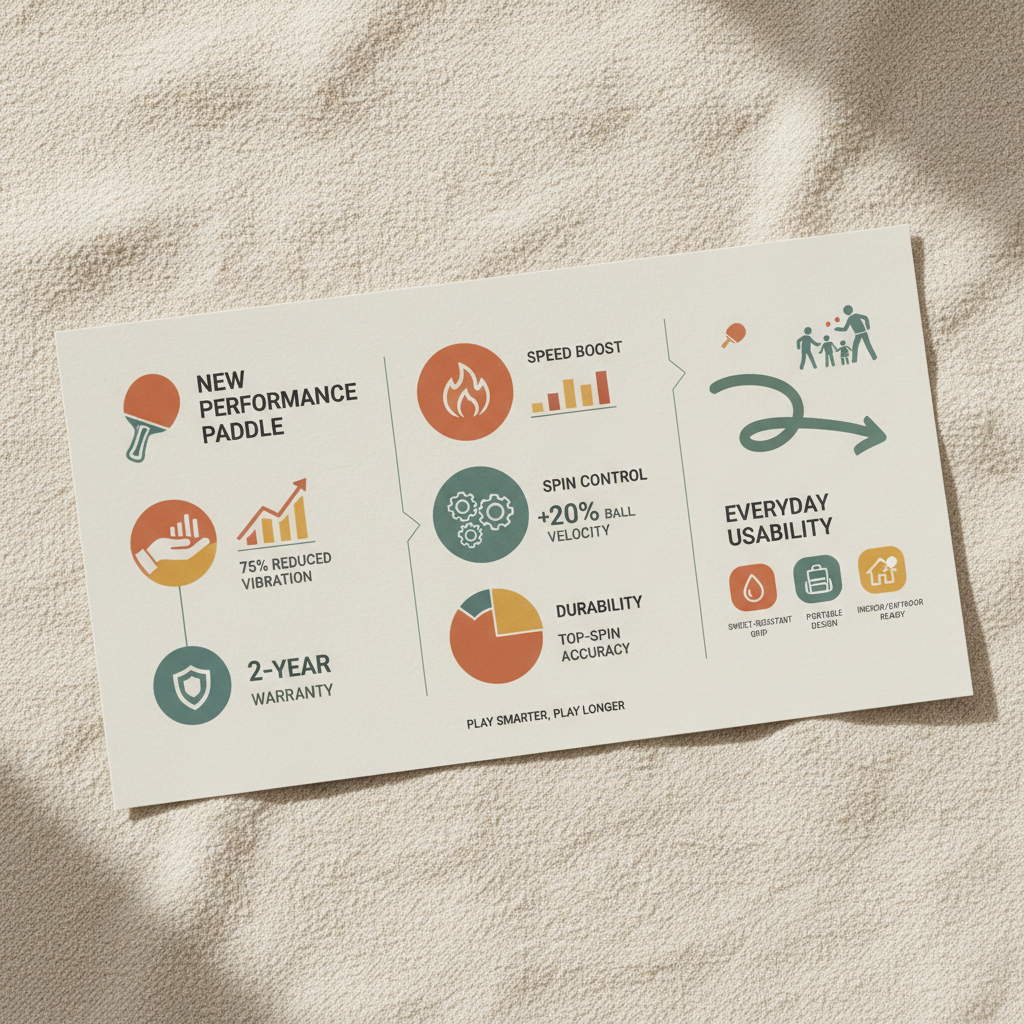
new ping pong paddle Ergonomic Performance Ratings
Global Applications and the Rise of Competitive Table Tennis
Table tennis is a globally popular sport, with a significant presence in Asia, Europe, and increasingly, North and South America. The demand for high-quality equipment like a new ping pong paddle is directly correlated with the growth of competitive play.
China dominates the sport, consistently producing world champions and driving innovation in equipment. However, countries like Germany, Japan, and South Korea also have strong table tennis traditions and contribute to the evolution of paddle technology. The ITTF actively promotes the sport worldwide, fostering participation and competition at all levels.
Advantages and Long-Term Value of Investing in a Quality new ping pong paddle
Investing in a quality new ping pong paddle offers several advantages. A well-constructed paddle provides better control, spin, and speed, enhancing your overall game. It also reduces fatigue and the risk of injury.
Beyond performance, a durable paddle represents a long-term investment. Cheaper paddles often wear out quickly, requiring frequent replacements. A high-quality paddle, properly maintained, can last for years, saving you money in the long run. The increased enjoyment and competitive edge are intangible but equally valuable benefits.
Future Trends and Innovations in new ping pong paddle Design
The future of new ping pong paddle design is likely to be driven by advancements in materials science and manufacturing techniques. We can expect to see more use of composite materials, such as graphene and carbon nanotubes, to create lighter, stronger, and more responsive paddles.
3D printing technology could also revolutionize paddle production, allowing for customized designs tailored to individual player preferences. Furthermore, research into new rubber compounds with enhanced grip and spin capabilities will continue to be a key area of innovation.
Summary of Key Factors Affecting new ping pong paddle Performance
| Component |
Material |
Impact on Performance |
Cost Range (USD) |
| Blade |
Wood (Limba, Ayous, Walnut), Carbon Fiber |
Speed, Control, Vibration Dampening |
30-150 |
| Rubber |
Natural Rubber, Synthetic Polymers |
Spin, Speed, Control, Grip |
20-80 |
| Handle |
Wood, Cork |
Comfort, Grip, Maneuverability |
5-20 |
| Weight |
80-100 grams |
Speed, Maneuverability |
N/A |
| Balance |
Head-Heavy, Handle-Heavy, Even |
Power, Control |
N/A |
| Grip |
Flared, Straight, Anatomic |
Comfort, Control, Fatigue Reduction |
N/A |
FAQS
Offensive new ping pong paddles typically feature faster rubbers and blades, prioritizing spin and power for attacking play. They are often head-heavy and may use carbon fiber for increased speed. Defensive paddles, on the other hand, prioritize control and consistency, using slower rubbers and blades, and often featuring short pips or anti-spin rubber. They're designed for blocking and returning aggressive shots effectively. Choosing between the two depends on your playing style and strategy.
The lifespan of a new ping pong paddle depends on usage and quality. Rubber loses its tackiness and elasticity over time, impacting spin and control. Generally, rubbers should be replaced every 6-12 months for regular players. Blades can last much longer, potentially several years, but may need replacing if they become damaged or warped. Regular cleaning and proper storage can extend the life of your paddle.
ITTF approval signifies that a new ping pong paddle meets the standards set by the International Table Tennis Federation for use in official tournaments. These standards relate to rubber thickness, speed, and spin. Paddles without ITTF approval may not be legal for competitive play. Look for the ITTF logo on the rubber to ensure compliance.
Blade weight influences speed and maneuverability. Lighter blades (around 80-85 grams) are easier to swing quickly, making them suitable for fast-paced, attacking play. Heavier blades (around 90-95 grams) provide more power and stability but require greater strength and control. Beginners often start with a medium-weight blade to find a balance between speed and control.
Regular cleaning is vital to maintain optimal grip and performance. Use a specialized rubber cleaner and a soft cloth. Avoid harsh solvents or abrasive cleaners, as these can damage the rubber. Clean after each playing session to remove dust, sweat, and grime. A clean paddle provides better spin and control.
Yes, absolutely! Customizing your new ping pong paddle allows you to tailor it precisely to your playing style. You can mix and match different rubbers and blades to achieve the desired speed, spin, and control characteristics. Many players experiment with different combinations to optimize their game. However, gluing the rubber correctly is crucial for optimal performance.
Conclusion
A new ping pong paddle represents more than just equipment; it’s a tool for enhancing skill, strategy, and enjoyment of a globally beloved sport. Understanding the core components—blade, rubber, and handle—and how they interact is crucial for selecting a paddle that perfectly complements your playing style. Investing in quality equipment and proper maintenance ensures long-term performance and value.
As table tennis continues to evolve, driven by innovations in materials and design, staying informed about the latest advancements is essential. Explore different options, experiment with customizations, and don’t hesitate to seek advice from experienced players or coaches. Visit our website at www.yocoolcn.com to discover a wide range of new ping pong paddles and accessories to elevate your game.



 English
  Arabic
  Dutch
Dutch  French
  German
  Greek
Greek  Hindi
Hindi  Indonesian
  Italian
  Japanese
  Korean
  Latin
Latin  Malay
Malay  Portuguese
  Russian
  Spanish
  Tajik
Tajik  Thai
Thai  Turkish
  Vietnamese