Outdoor paddle tennis is a rapidly growing sport enjoyed by individuals of all ages and skill levels. Its accessibility, affordability, and social nature contribute to its increasing popularity worldwide. This dynamic activity provides a fantastic cardiovascular workout, improves hand-eye coordination, and fosters a sense of community. Understanding the nuances of outdoor paddle tennis – from equipment selection to strategic gameplay – unlocks a world of athletic and social benefits.
The global appeal of outdoor paddle tennis stems from its adaptability. Unlike traditional tennis, it requires smaller courts and can be played on various surfaces, making it suitable for both dedicated clubs and recreational spaces. This versatility has led to a surge in participation across Europe, North and South America, and increasingly, Asia. The relatively low cost of entry, compared to other racquet sports, further democratizes access, making it a sport for everyone.
As a recreational activity, outdoor paddle tennis provides a unique social outlet. It's a fantastic way to connect with friends and family, and many communities are building around local paddle tennis clubs. Furthermore, competitive leagues and tournaments are emerging, attracting skilled players and showcasing the exciting potential of this evolving sport.
Introduction to Outdoor Paddle Tennis
Outdoor paddle tennis is a racquet sport that blends elements of tennis, badminton, and squash. Played on a smaller court enclosed by a wire mesh, it offers a unique and engaging experience. The use of solid paddles, rather than strung racquets, creates a softer ball speed and allows for a more controlled game.
The sport’s rising popularity is fueled by its accessibility and inclusiveness. Its simplified rules and slower pace make it easier to learn than traditional tennis, attracting players of all ages and abilities. Local parks, community centers, and dedicated paddle tennis clubs are increasingly offering facilities, further contributing to its widespread adoption.
Defining Outdoor Paddle Tennis
At its core, outdoor paddle tennis is a dynamic racquet sport played between two players (singles) or four players (doubles). The game takes place on a rectangular court measuring 16 meters long and 8 meters wide, surrounded by a wire mesh screen. Players use solid paddles to hit a rubber ball over the net and into the opposing player's court.
Unlike traditional tennis, outdoor paddle tennis utilizes a perforated rubber ball which is softer and slower, making rallies longer and more strategic. The enclosed court allows the ball to be played off the wire mesh, adding a unique tactical dimension to the game. This combination of elements creates a fun, accessible, and challenging sport for players of all levels.
The sport's connection to modern recreational needs lies in its ability to provide a healthy, social, and engaging activity with a relatively low barrier to entry. It fosters community building and offers a physical outlet that can be enjoyed by individuals throughout their lives.
Core Elements of the Sport
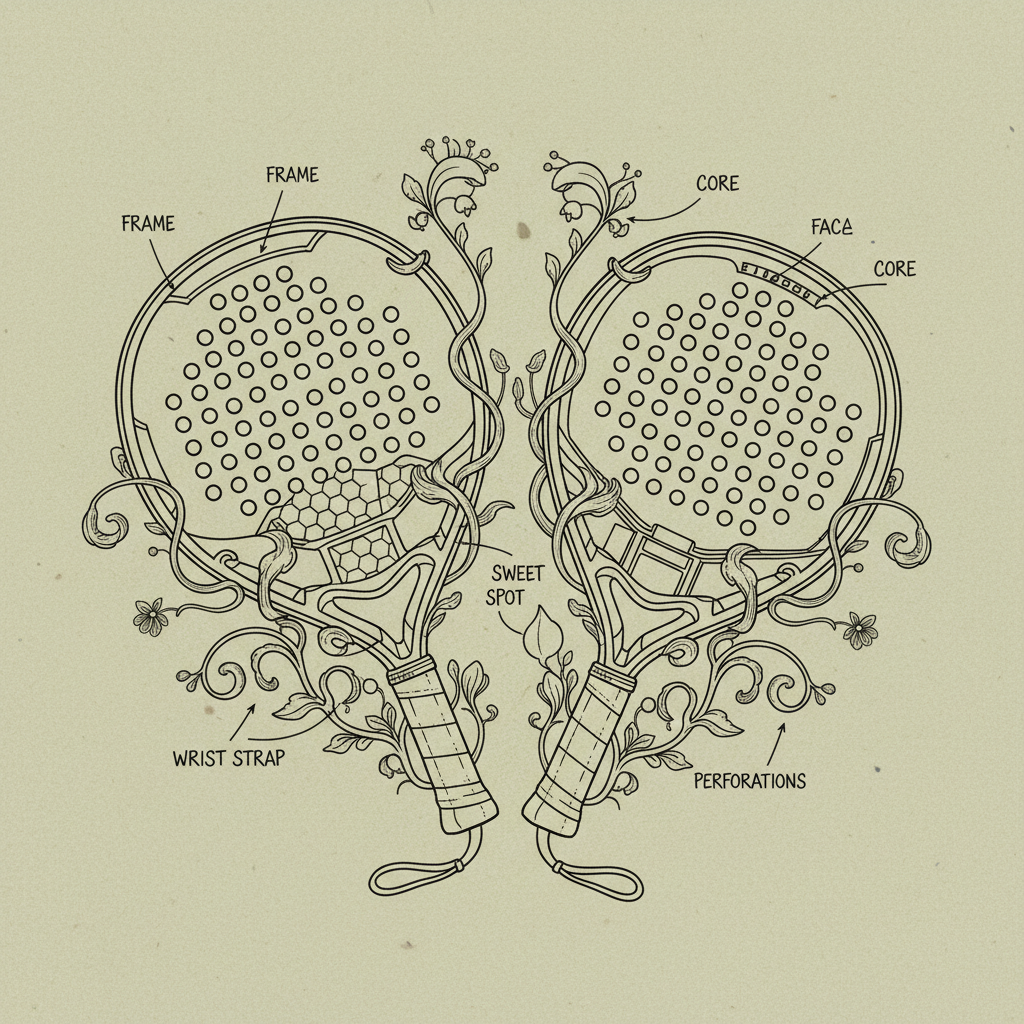
Several core elements define the experience of outdoor paddle tennis. Firstly, the paddle itself is crucial, influencing control and power. Paddles come in various materials, weights, and grip sizes, allowing players to customize their equipment for optimal performance. The second key element is court design; the dimensions and mesh enclosure impact gameplay dynamics.
The rubber ball is another essential component. Its perforation level influences its speed and bounce, directly impacting the style of play. Mastering the serve is also paramount, as it's often the initiating factor in each rally. The ability to anticipate and react quickly, combined with strategic shot placement, are key skills required to excel.
Finally, understanding the rules of scoring and gameplay – including the use of the surrounding mesh – is vital for success. The combination of these elements creates a unique and engaging sporting experience.
Key Performance Indicators in Outdoor Paddle Tennis
Analyzing performance in outdoor paddle tennis involves examining several key indicators. These indicators help players understand their strengths and weaknesses, leading to targeted improvement. Accurate serve placement and consistency are vital, impacting the player's ability to control rallies.
Furthermore, the speed and accuracy of groundstrokes, as well as the ability to effectively utilize the mesh walls for strategic play, are critical performance benchmarks.
Outdoor Paddle Tennis Skill Assessment
Global Adoption and Community Impact
Outdoor paddle tennis has seen significant growth in Europe, particularly in Spain and Sweden, where it originated. It's becoming increasingly popular in Argentina, with a thriving professional league and a large base of amateur players. North America, especially the United States, is also witnessing a surge in interest, with new courts and clubs emerging across the country.
The community impact is profound. Paddle tennis clubs often serve as social hubs, fostering connections and promoting active lifestyles. The sport's accessibility encourages participation across demographics, creating inclusive environments.
Benefits of Playing Outdoor Paddle Tennis
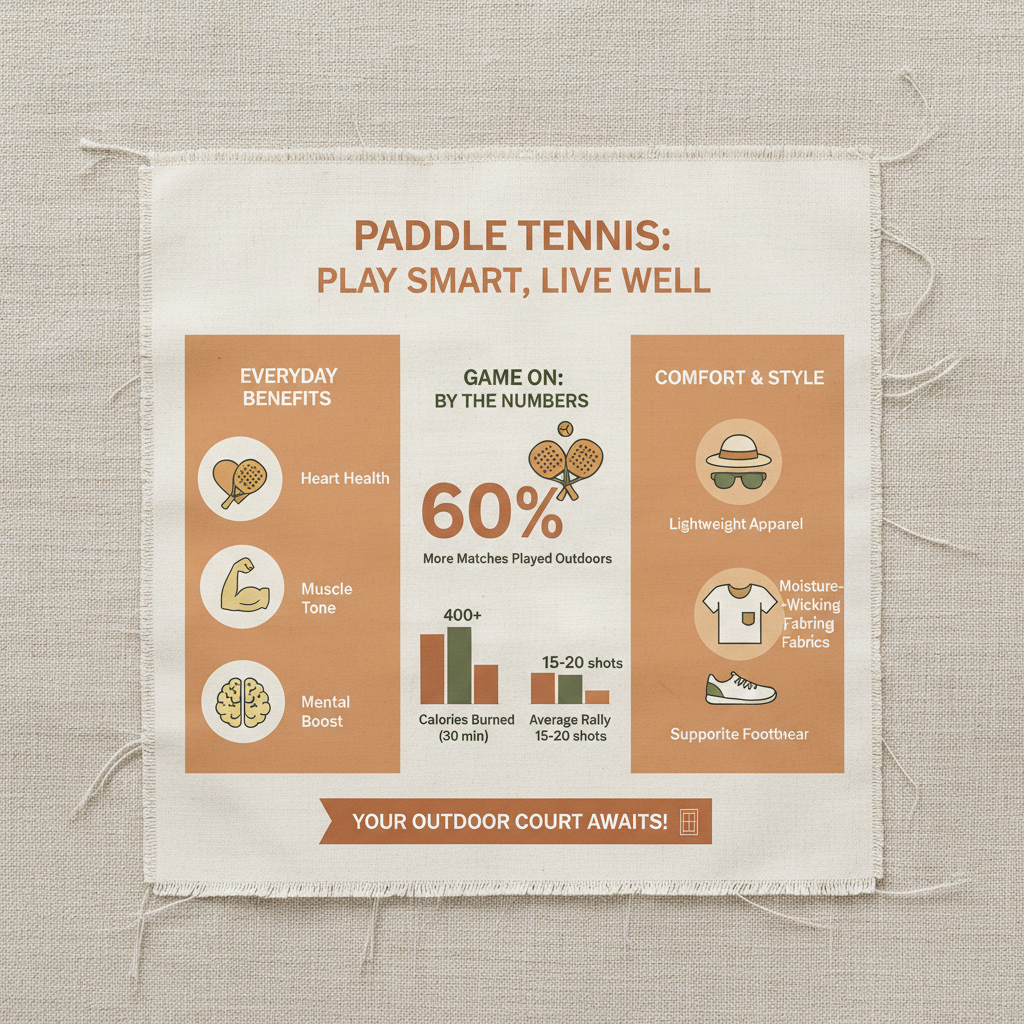
The benefits of engaging in outdoor paddle tennis extend far beyond physical fitness. Regular play significantly improves cardiovascular health, enhances agility, and boosts hand-eye coordination. The dynamic nature of the sport provides a comprehensive workout, engaging multiple muscle groups.
Beyond the physical aspects, outdoor paddle tennis offers substantial mental health benefits. It's a stress reliever, promotes social interaction, and fosters a sense of accomplishment. The strategic thinking required during gameplay sharpens mental acuity and improves decision-making skills.
The social aspect builds camaraderie, contributing to a sense of belonging. It's a sport that can be enjoyed by families, friends, and individuals alike, making it a valuable addition to a healthy and balanced lifestyle.
Future Trends in Outdoor Paddle Tennis
The future of outdoor paddle tennis is bright, with several exciting trends on the horizon. We can expect to see increased adoption of technology, including wearable sensors to track performance and enhance training. Court designs may evolve to incorporate smart surfaces that provide real-time data and feedback to players.
Sustainability is also becoming a key focus, with manufacturers exploring eco-friendly materials for paddles and balls. The integration of digital platforms for booking courts, organizing tournaments, and connecting with other players will further enhance the overall experience.
Finally, professionalization of the sport is expected to continue, with increased media coverage, sponsorship opportunities, and the development of elite training programs.
Key Performance Indicators and Development Stages of Outdoor Paddle Tennis
| Development Stage |
Skill Focus |
Key Performance Indicator |
Expected Rating (1-10) |
| Beginner |
Basic Paddle Control |
Consistent Ball Contact |
3-5 |
| Intermediate |
Serve and Return |
Serve Accuracy |
6-7 |
| Advanced |
Strategic Shot Placement |
Court Coverage |
8-9 |
| Competitive |
Mesh Play & Volleying |
Rally Length & Consistency |
9-10 |
| Elite |
Tactical Adaptability |
Opponent Analysis |
10 |
| Professional |
Peak Physical Conditioning |
Mental Toughness |
10+ |
FAQS
To begin, you’ll need a paddle, a paddle tennis ball (a perforated rubber ball), and appropriate athletic footwear. Court access is also essential, either through a local club or public park. The initial investment is relatively low compared to other racquet sports, making it an accessible option for beginners. Clothing should be comfortable and allow for a full range of motion. Protective eyewear is optional but recommended.
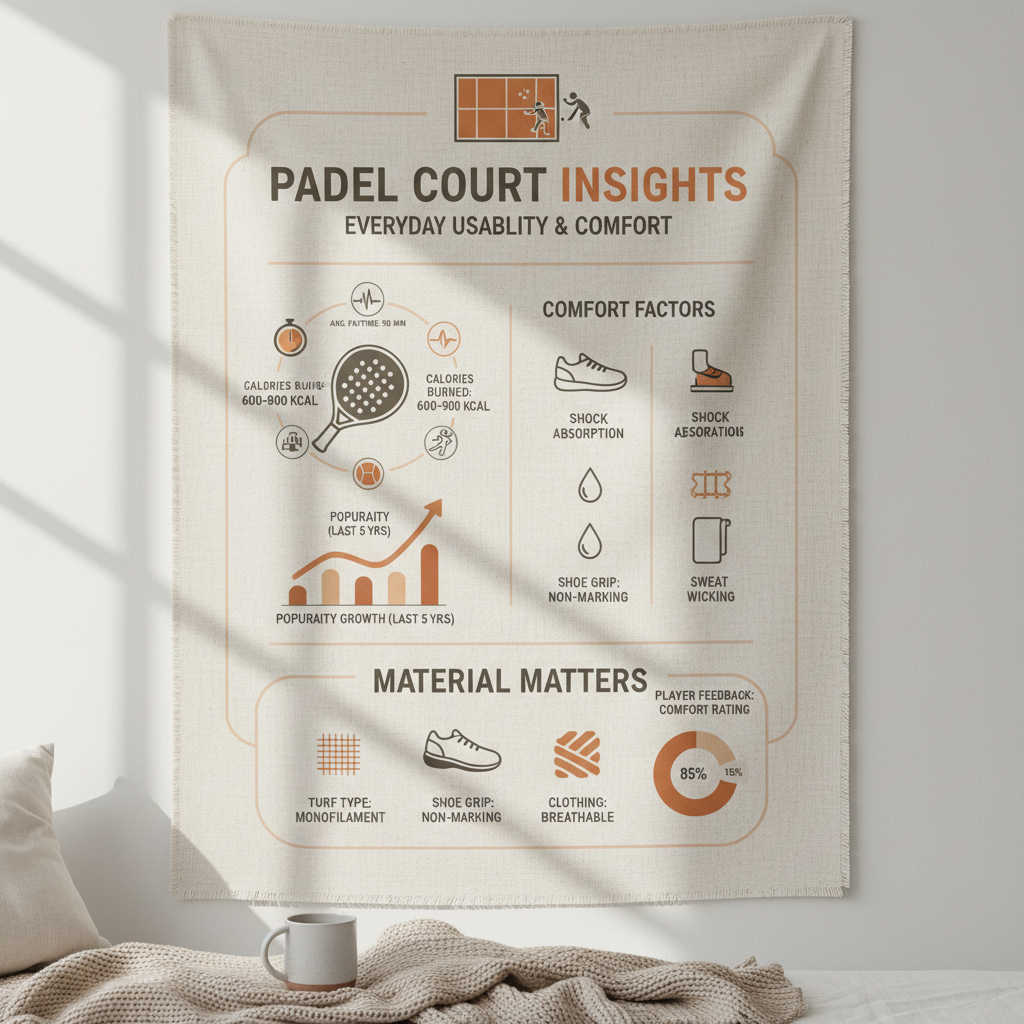
Absolutely! Outdoor paddle tennis provides a fantastic full-body workout. The constant movement, quick reflexes, and strategic play engage numerous muscle groups, improving cardiovascular health, agility, and hand-eye coordination. It's a low-impact sport, making it suitable for individuals of varying fitness levels. A typical game can burn a significant amount of calories and improve overall stamina.
The mesh enclosure is a defining characteristic of outdoor paddle tennis. It allows players to play the ball off the walls, adding a unique strategic element to the game. This feature extends the rally length and requires players to anticipate bounces and angles in a way that's different from traditional tennis. Mastering the use of the mesh is crucial for success.
While both are racquet sports with growing popularity, there are key differences. Pickleball uses a solid paddle and a wiffle ball, played on a smaller court with a net. Outdoor paddle tennis uses a perforated rubber ball and is played within a mesh enclosure. Paddle tennis generally features a faster pace and relies more on strategic wall play. Pickleball tends to be more focused on dinking and net play.
You can locate outdoor paddle tennis courts through several online resources. Websites dedicated to racquet sports, community center directories, and local park and recreation departments are excellent starting points. Searching online maps for "paddle tennis courts" in your area can also yield results. Many paddle tennis clubs offer memberships and court rentals.
Yes, outdoor paddle tennis is very beginner-friendly! The slower ball speed, smaller court, and forgiving mesh enclosure make it easier to learn than many other racquet sports. It's a great way to introduce yourself to racquet sports or to enjoy a less physically demanding alternative to tennis. Many clubs offer introductory lessons for new players.
Conclusion
In conclusion, outdoor paddle tennis offers a compelling combination of physical fitness, social engagement, and strategic challenge. Its accessibility, affordability, and adaptability are driving its global growth, making it a sport for people of all ages and skill levels. The core elements—paddle control, strategic shot placement, and skillful mesh utilization—are fundamental to mastering the game.
Looking ahead, we can anticipate continued innovation in equipment, court design, and digital integration. By embracing these advancements and fostering inclusive communities, we can further unlock the full potential of outdoor paddle tennis, solidifying its position as a leading recreational sport for years to come. Visit our website at www.yocoolcn.com to explore our range of outdoor paddle tennis equipment and learn more about this exciting sport.



 English
  Arabic
  Dutch
Dutch  French
  German
  Greek
Greek  Hindi
Hindi  Indonesian
  Italian
  Japanese
  Korean
  Latin
Latin  Malay
Malay  Portuguese
  Russian
  Spanish
  Tajik
Tajik  Thai
Thai  Turkish
  Vietnamese