0%

Table of Contents

You know, these days everyone's talking about pre-fabricated paddle courts. Fancy, huh? Seems like just yesterday we were mixing concrete by hand, and now they're shipping whole courts in sections. To be honest, it’s a bit of a whirlwind. They say it’s faster, cheaper, more consistent. But faster for who, cheaper for who… that’s what I always ask myself.

We've been seeing a lot of push for composite materials, too. Trying to get away from the traditional concrete base. Which, okay, fine. Less weight, easier installation. But have you noticed, those composites can get slippery when wet? That’s a real concern, especially with the kind of downpours we get.

It all comes down to details, really. And the details… well, they’re what keep me up at night.
Navigating the Evolution of Paddle Court Construction and Material Selection

The Rise of Prefabricated Paddle Courts

Navigating the Evolution of Paddle Court Construction and Material Selection

Prefabrication, right? It's supposed to solve all our problems. Faster build times, controlled environments, less waste. And it can, it really can. But then you get to the site, and the ground isn’t level, or the delivery truck can’t get close enough, or the instructions are translated from Martian. Strangely, the biggest delays aren't usually the prefab parts themselves, but getting everything around them to work. It's about the whole system, not just the pieces.

I remember being at a site in Shanghai last year, beautiful, modern facility. They had these panels arriving, all perfectly cut and ready to go. But they hadn’t accounted for the humidity! The panels swelled slightly, and suddenly, nothing fit. You’d think they’d think of that in Shanghai... Anyway, I think those early adopters are paving the way for everyone else.

Design Pitfalls and Common Mistakes

One thing I’ve noticed, and I've seen it at the X factory last time, is designers who've never actually been on a construction site. They come up with these gorgeous renderings, all sleek lines and perfect angles. But they don’t think about how it's going to be assembled, how the materials will interact, or what happens when someone drops a wrench on it.

Simple things, like access panels for maintenance. They design them to be flush, which looks great, but then you need a specialized tool to open them. Or they use a coating that looks amazing, but it’s a nightmare to repair. Little things that add up to big headaches.

Also, drainage. Always think about drainage. I can't tell you how many courts I've seen with puddles after a rainstorm. Ruins the playing surface, and creates a safety hazard. It's a basic thing, but it’s often overlooked.

Material Selection: A Hands-On Perspective

Now, materials. Concrete is still king, let's be real. It’s durable, it's relatively cheap, and everyone knows how to work with it. But it’s heavy, and it cracks, and it's not exactly the most eco-friendly option.

These new composite materials… they're interesting. Some of them smell faintly of plastic, which I don't love. Others have a nice, almost wood-like feel. You can tell the quality by how it cuts and sands, how easily it holds a screw. The cheaper ones tend to crumble and split. You get what you pay for, you know? And the heavier-duty ones, they’ve got this rubbery smell that lingers for days.

There's also the question of UV resistance. If you're building an outdoor court, you need something that can withstand the sun for years. Otherwise, it’ll fade, become brittle, and start falling apart. I’ve seen it happen too many times.

Real-World Testing and Performance

Forget the lab tests. They're fine for getting basic data, but they don't tell the whole story. I want to see how a paddle court holds up to a month of constant use, with real players, in real weather conditions.

We have a test court set up at our main facility. We let local clubs use it for free, in exchange for feedback. We track everything: how often it's used, what kind of shoes people are wearing, how much rain it gets. We even have cameras set up to record gameplay, so we can see how the surface responds to different movements.

Paddle Court Performance Metrics


How Users Actually Interact with Paddle Courts

You think people are going to treat your pristine paddle court with respect? Think again. They'll track mud on it, drop their water bottles, and scrape it with their shoes. They'll lean on the walls, and maybe even try to climb them. Later… forget it, I won't mention it.

I’ve seen people use their paddle courts as makeshift picnic tables, places to store their bags, even dog-walking routes. You have to design for the worst-case scenario.

The Good, The Bad, and The Customizable

Prefabricated courts are great for speed and consistency, no doubt. They're also easier to maintain, because the surface is usually treated with a protective coating. But they can be expensive, and they don't always offer the same level of customization.

But you can customize. Last month, that small boss in Shenzhen who makes smart home devices insisted on changing the interface to , said he wanted to integrate with his own sensor system. It was a pain, let me tell you. We had to re-engineer the whole thing. But we did it, and he was thrilled. That’s the beauty of it, right? Being able to adapt to the customer’s needs.

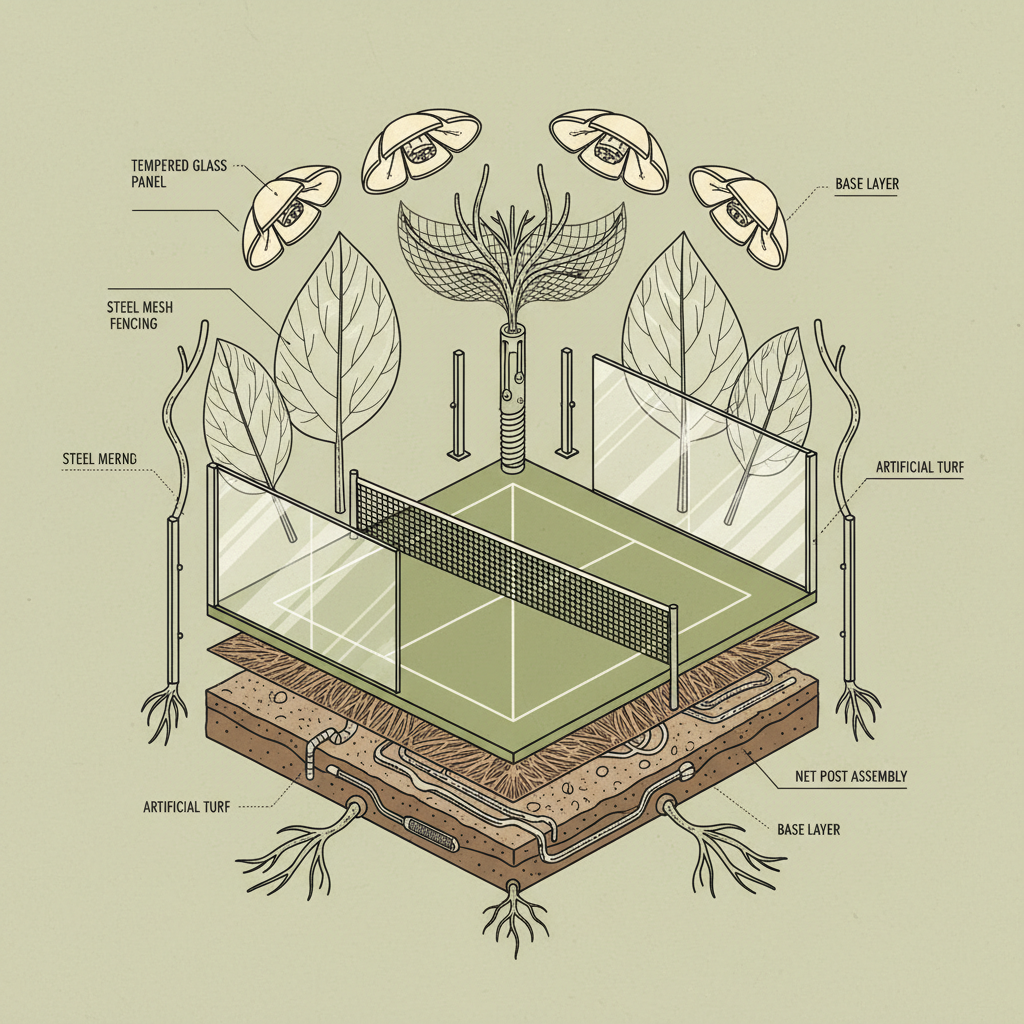
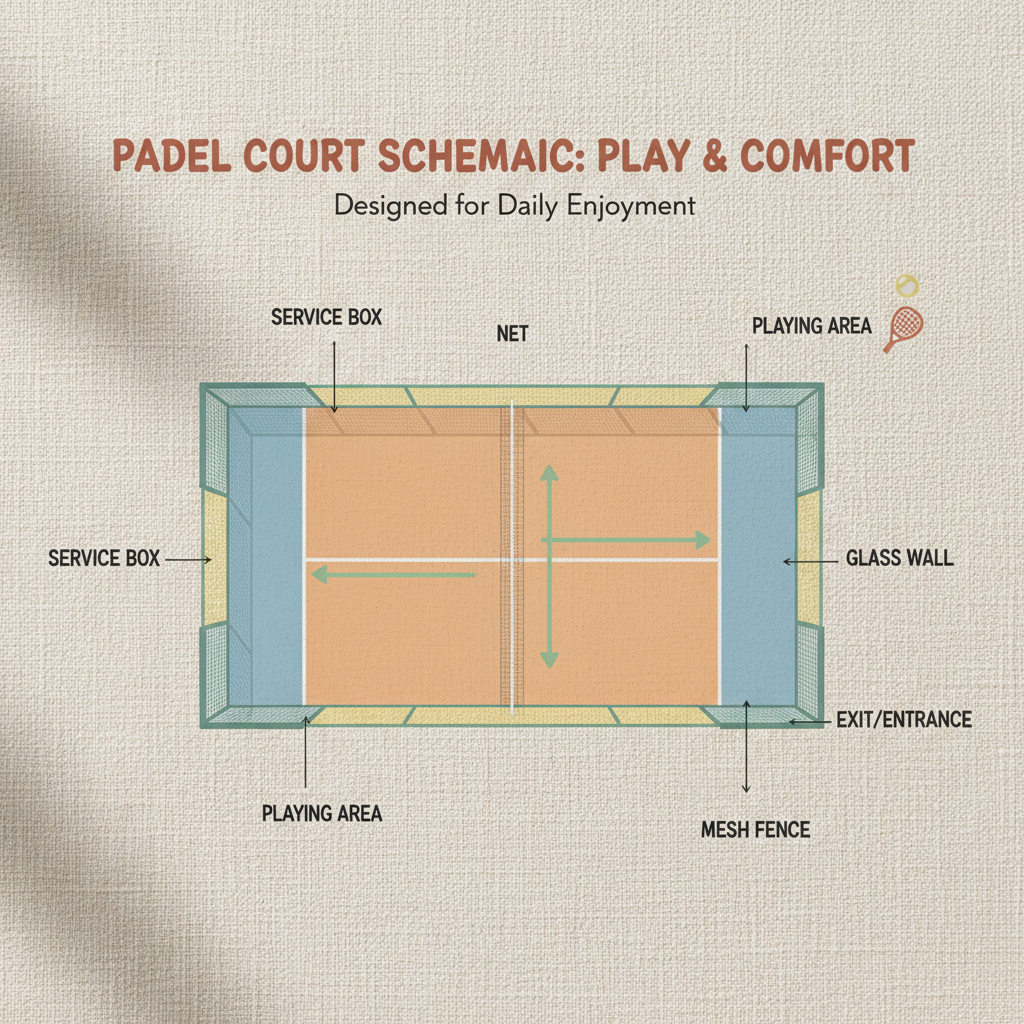
Paddle Court Component Breakdown

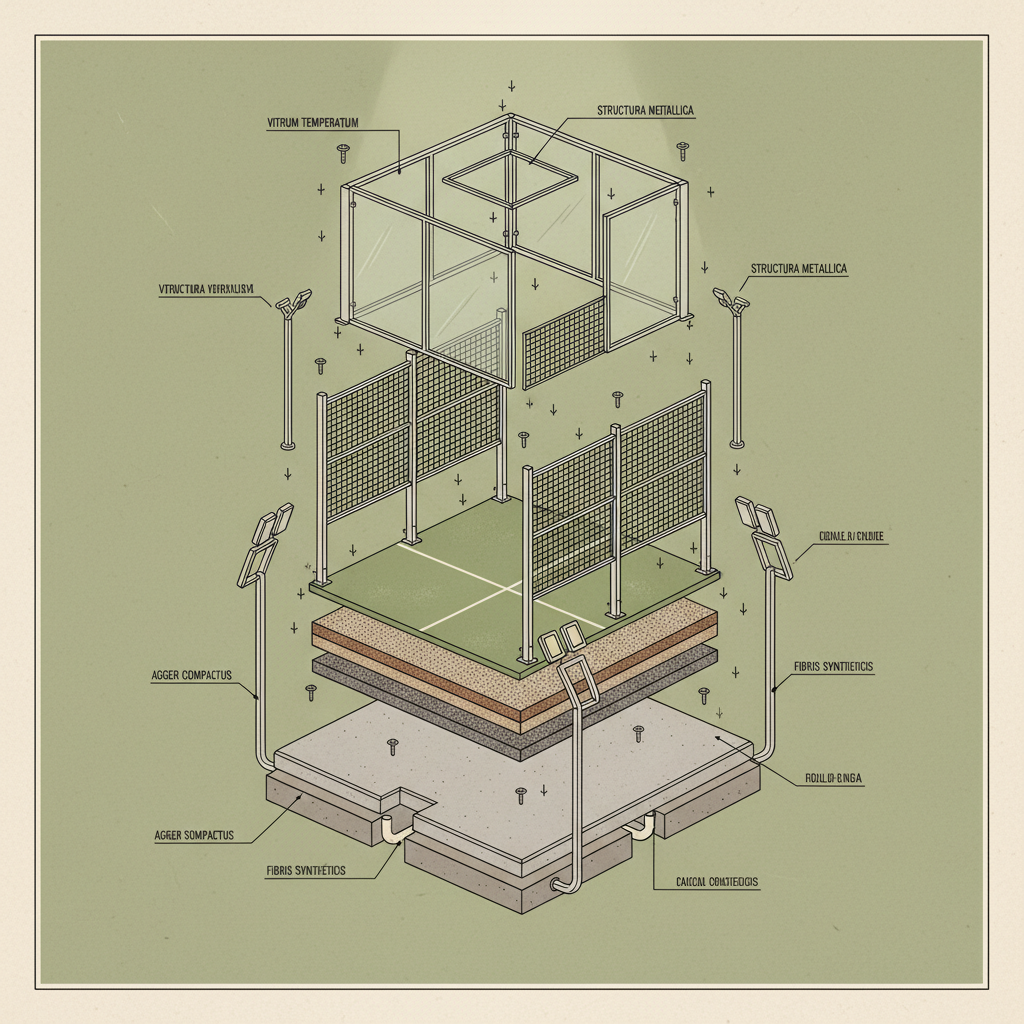
Understanding the core components of a paddle court lets you diagnose problems faster and anticipate maintenance needs. It’s about knowing what's under the surface, literally and figuratively.

Knowing how each part contributes to the overall performance – and where it might fail – is critical.

It’s not just about slapping some panels together. It’s about understanding the system as a whole.

Paddle Court Component Analysis

Component Material Common Failure Points Maintenance Frequency
Surface Layer Acrylic Coating Cracking, Fading Annually
Base Layer Concrete or Composite Cracking, Settling Every 2-3 Years
Wall Panels Tempered Glass or Composite Impact Damage, Scratches As Needed
Support Structure Steel or Aluminum Corrosion, Fatigue Every 5 Years
Drainage System PVC Piping Blockages, Leaks Semi-Annually
Fasteners Stainless Steel Corrosion, Loosening Annually

FAQS

What are the main differences between prefabricated and traditionally built paddle courts?

Prefabricated courts offer faster installation times and controlled manufacturing quality, reducing on-site errors. However, traditional builds allow for greater customization and are potentially more cost-effective for smaller projects. Ultimately, it depends on the specific site conditions, budget, and desired level of customization. You gotta weigh the pros and cons, you know? I've seen both go sideways if you don't plan carefully.

How weather-resistant are composite paddle court materials?

It varies. Some composites are highly resistant to UV radiation, moisture, and temperature fluctuations, while others are less so. It’s crucial to choose materials specifically designed for outdoor use and to apply appropriate protective coatings. I once saw a court in Miami where they skimped on the UV protection… looked terrible after just one season. A complete waste of money. The higher-end stuff, though, holds up pretty well.

What level of maintenance is required for a prefabricated paddle court?

Prefab courts generally require less maintenance than traditional ones, but they still need regular attention. This includes cleaning the surface, checking for cracks or damage, and inspecting the drainage system. Annual inspections and preventative maintenance are key. Don’t ignore small problems; they'll only get worse over time. A little bit of upkeep goes a long way.

Can prefabricated paddle courts be customized to fit specific space requirements?

Yes, but to varying degrees. Some manufacturers offer modular systems that can be easily adapted to different sizes and shapes. Others are more rigid in their designs. The key is to communicate your specific needs upfront during the design phase. That Shenzhen guy I mentioned earlier? He wanted a custom interface… it was a hassle, but we made it work. But be prepared to pay extra for customization.

What is the typical lifespan of a prefabricated paddle court?

With proper maintenance, a well-built prefabricated paddle court can last 10-20 years, or even longer. The lifespan depends on factors like material quality, climate, usage frequency, and maintenance practices. Avoid cheap materials and prioritize regular inspections and repairs to maximize its longevity. You get what you pay for, plain and simple.

What safety considerations are important when installing a paddle court?

Safety is paramount. Ensure the court is installed on a level surface, with proper drainage to prevent slips and falls. Install adequate lighting for nighttime play. Use safety netting to contain balls and protect spectators. And always follow the manufacturer’s installation instructions carefully. I’ve seen some shortcuts taken that just weren’t worth it from a safety perspective.

Conclusion

So, where does all this leave us? Well, prefabricated paddle courts are here to stay. They offer a lot of advantages – speed, consistency, and potentially lower costs. But they’re not a magic bullet. You still need to pay attention to the details, choose quality materials, and prioritize proper installation and maintenance.

Ultimately, whether this thing works or not, the worker will know the moment he tightens the screw. If it feels right, looks right, and plays right, then you’ve done your job. And if it doesn’t… well, you’ll hear about it. And trust me, you'll hear about it.


Ethan Bellwether

Ethan Bellwether

Ethan Bellwether serves as Yocool’s Head of Court Design & Innovation. With a background in structural engineering and a lifelong passion for racquet sports, Ethan spearheads the development of Yocool’s next-generation padel and squash court technologies. He’s particularly focused on optimizing court surfaces for performance and player safety, having recently
Previous Navigating Paddle Tennis Court Construction Challenges and Material Considerations
Next Navigating the Challenges and Innovations in Panoramic Padel Court Design and Construction
en_USEnglish