Padel tennis has rapidly evolved from a niche sport in Spain and Argentina to a global phenomenon, with padel tennis outdoor installations becoming the centerpiece of modern sports clubs and residential complexes. Unlike traditional tennis, the unique blend of glass walls and a smaller court size creates a dynamic, social, and highly accessible game that appeals to all age groups and skill levels.
The shift toward outdoor installations is driven by the desire for open-air wellness and the ability to maximize available land in urban and suburban environments. However, transitioning a court to the outdoors introduces significant engineering challenges, from managing UV exposure to ensuring proper drainage, making the quality of materials the primary determinant of a facility's lifespan.
Understanding the technical nuances of padel tennis outdoor design is essential for investors and developers who aim to provide a professional-grade experience. By balancing structural integrity with aesthetic appeal and player safety, stakeholders can create sustainable sporting hubs that drive community engagement and long-term commercial value.
The Structural Engineering of Padel Tennis Outdoor Courts
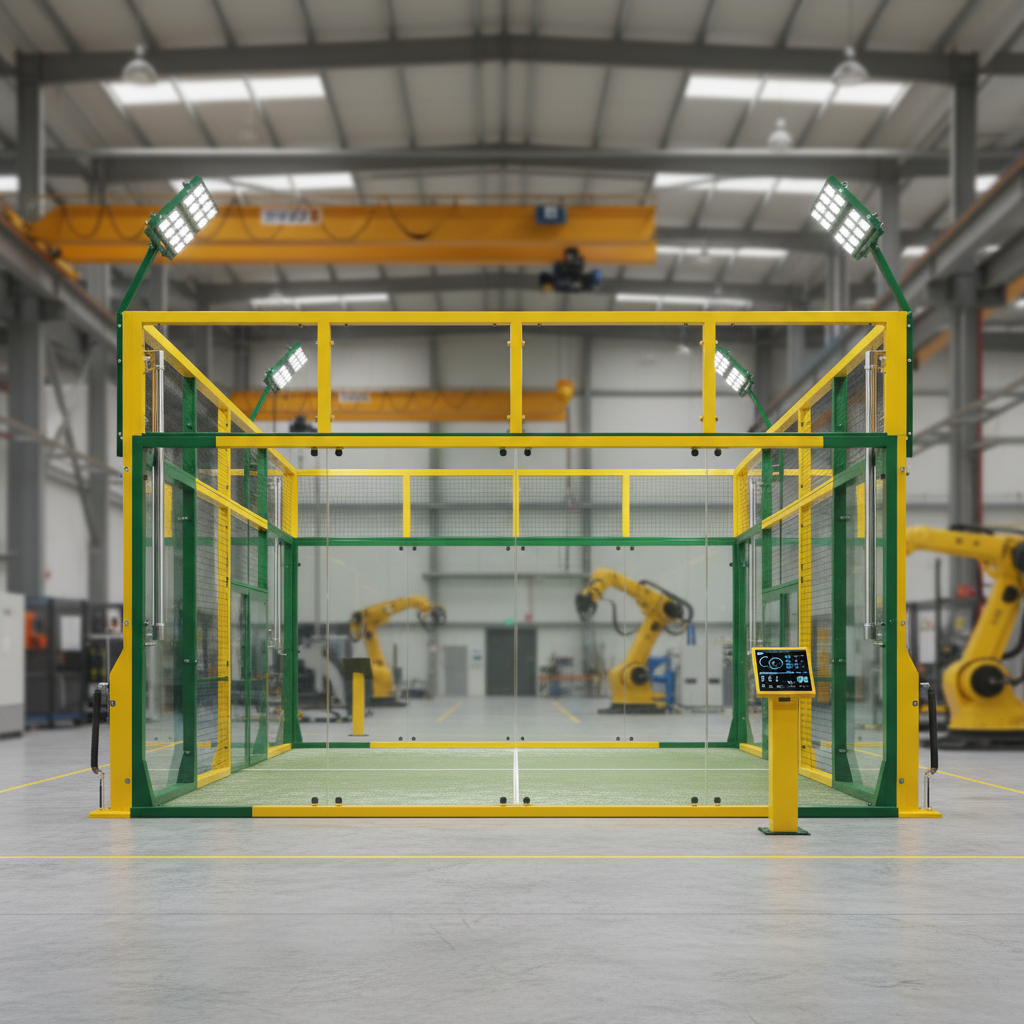
The structural foundation of a padel tennis outdoor court must be meticulously planned to withstand various environmental pressures. Unlike indoor setups, outdoor courts are subject to wind loads and thermal expansion, necessitating a reinforced steel frame that is typically hot-dip galvanized to prevent corrosion. The integration of tempered glass panels requires precise anchoring systems that allow for slight movements without compromising the safety or stability of the enclosure.
Furthermore, the base slab—usually composed of high-strength concrete—must be engineered with a slight slope to ensure efficient water runoff. This prevents the accumulation of moisture at the base of the glass walls, which could otherwise lead to structural degradation over time. By focusing on these foundational elements, developers ensure that the court remains a safe and professional environment regardless of the local climate.
Material Durability and Weather Resistance
When specifying materials for padel tennis outdoor projects, the priority is resistance to UV radiation and humidity. Low-grade paints and plastics degrade quickly under direct sunlight, leading to discoloration and brittleness. High-performance powder coatings are employed on the steel frames to ensure a consistent finish and a protective barrier against oxidation, especially in coastal regions where salt air accelerates corrosion.
The glass used in these courts is not standard window glass; it is high-impact tempered safety glass, often 10mm or 12mm thick. This material is chosen for its ability to withstand high-velocity ball impacts and environmental stressors. The edges are polished and reinforced to minimize the risk of shattering, providing a secure perimeter that maintains the game's fast-paced nature without risking player safety.
Additionally, the netting used in the outer sections must be made from UV-stabilized polyethylene or nylon. These materials are designed to maintain their tension and strength over years of exposure to the elements. By combining these industrial-grade components, an outdoor padel facility can significantly reduce its replacement cycle and maintain a premium aesthetic.
The Role of Specialized Flooring in Outdoor Play
The surface of a padel tennis outdoor court is critical for player joint health and ball bounce consistency. Most professional outdoor courts utilize synthetic turf infused with silica sand, which provides the necessary grip and slide for athletic movements. This porous surface allows rainwater to penetrate through to the drainage layer, preventing puddles that would otherwise halt play.
It is important to note that for padel tennis outdoor installations, the density of the turf fibers and the quality of the sand are non-negotiable. Inadequate sand distribution can lead to "bald spots" or uneven bounce, while overly dense turf can increase the risk of ankle sprains due to excessive grip.
For facilities looking for alternatives or complementary surfaces, PVC sports floors or rubber flooring are often used in the surrounding lounge areas. These materials provide a transition zone that prevents debris from being carried onto the main turf, ensuring that the court remains clean and high-performing for every match.
Cost-Benefit Analysis of Outdoor Installations
Investing in padel tennis outdoor courts offers a unique financial advantage: the elimination of costly building shells. By utilizing the existing landscape, developers can install multiple courts in the space it would take to build a single indoor hall. This significantly lowers the initial capital expenditure (CAPEX) and allows for a faster return on investment (ROI) through court rentals and membership fees.
However, the operational expenditure (OPEX) for outdoor courts is slightly higher due to the need for periodic sand brushing and glass cleaning. Despite this, the ability to offer an "open-air" experience often commands a premium in urban markets where green space is limited, making the outdoor model highly lucrative for sports entrepreneurs.
Performance Metrics of Padel Tennis Outdoor Setup Types
Global Market Trends and Urban Integration
The proliferation of padel tennis outdoor facilities is most evident in the Middle East and Southern Europe, where the climate favors outdoor activity for much of the year. Urban planners are now integrating these courts into "wellness hubs," combining them with pickleball and squash courts to create multi-sport destinations. This diversification helps in attracting a wider demographic and optimizing land use in dense cities.
Moreover, there is a growing trend toward "eco-courts," which utilize recycled rubber and organic infill materials. By reducing the carbon footprint of the construction process and implementing solar-powered LED lighting for night play, outdoor padel facilities are aligning themselves with global sustainability goals, making them more attractive to environmentally conscious investors.
Safety Standards and International Certifications
Safety is the paramount concern for any padel tennis outdoor installation. Adhering to International Padel Federation (FIP) standards ensures that the court dimensions, glass thickness, and netting height are consistent with professional play. Certification guarantees that the glass panels are shatter-proof and that the structural joints can withstand the kinetic energy of players colliding with the walls during intense rallies.
Beyond structural safety, the ergonomics of the outdoor environment must be addressed. This includes the installation of non-glare lighting systems that prevent blinding players during sunset matches and the use of non-toxic materials in the turf and sand. Proper certification provides peace of mind for operators and reduces the liability associated with sports injuries.
Quality control during the installation phase is equally critical. Professional installers use laser-leveling technology to ensure the base is perfectly flat, as even a few millimeters of deviation can affect the ball's trajectory. Regular audits by certified engineers are recommended to ensure that the court maintains its structural integrity over time.
Maintenance Strategies for Long-Term Performance
To preserve the quality of padel tennis outdoor courts, a proactive maintenance schedule is essential. The most critical task is the redistribution of silica sand. Over time, the movement of players pushes sand toward the edges, leaving the center of the court "slick." Periodic brushing and topping up of sand restore the optimal friction required for safe play.
Glass panels also require regular cleaning with non-abrasive agents to remove dust, salt, and fingerprints, which can impair visibility and affect the game. Checking the tension of the mesh fences and the tightness of the bolts in the steel frame prevents structural loosening caused by wind vibration and thermal cycling.
Finally, drainage systems must be cleared of organic debris, such as leaves and dirt, to prevent water logging. By implementing these simple yet effective maintenance routines, owners can extend the life of their court by several years and maintain a professional playing surface that keeps clients returning.
Core Analysis of Padel Tennis Outdoor Maintenance and Components
| Component |
Maintenance Frequency |
Primary Threat |
Solution/Material |
| Synthetic Turf |
Monthly Brushing |
Uneven Sand Wear |
Silica Sand Top-up |
| Tempered Glass |
Weekly Cleaning |
Surface Scaling |
Non-abrasive Cleaners |
| Steel Frame |
Annual Inspection |
Oxidation/Rust |
Hot-dip Galvanization |
| Mesh Fencing |
Quarterly Tensioning |
Sagging/Tearing |
UV-Stabilized Polyethylene |
| Concrete Base |
Bi-annual Check |
Cracking/Settlement |
Reinforced Concrete |
| Lighting System |
Quarterly Testing |
Circuit Corrosion |
IP65 Waterproof LEDs |
FAQS
The gold standard for padel tennis outdoor surfaces is synthetic monofilament turf filled with high-purity silica sand. This combination provides the ideal balance of ball bounce and player traction while allowing for excellent water drainage. Depending on the climate, variations in turf pile height may be chosen to optimize playability and durability.
Professional outdoor courts are designed with a permeable surface and a graded concrete base. Rainwater filters through the synthetic turf and sand, moving across the sloped concrete slab and into a perimeter drainage system. This ensures that the court is playable shortly after rain stops, preventing water pooling that could damage the turf or glass seals.
With a high-quality galvanized steel frame and tempered glass, the core structure can last 20+ years. However, the synthetic turf typically needs replacing every 5 to 8 years depending on usage levels. Regular maintenance, such as sand redistribution and glass cleaning, is key to maximizing the lifespan of all components.
Yes, as long as the glass is specifically engineered for outdoor use. Professional padel tennis outdoor courts use thick tempered glass (10-12mm) and reinforced anchoring systems that distribute wind pressure evenly. In extremely high-wind zones, additional structural supports or specialized wind-resistant frames may be implemented.
Outdoor courts have significantly lower initial costs because they don't require a building or HVAC systems. However, they have higher maintenance costs due to weather exposure. In the long run, the lower entry barrier and ability to install more courts per square meter often make the outdoor model more profitable for commercial operators.
Yes, provided the existing concrete is level and has sufficient load-bearing capacity. The main challenge is drainage; if the parking lot does not have an adequate slope, a drainage layer may need to be added before laying the turf. A professional site survey is always recommended to ensure the surface can support the weight of the glass and steel frame.
Conclusion
Establishing a high-quality padel tennis outdoor facility requires a holistic approach that integrates advanced structural engineering, weather-resistant materials, and a rigorous maintenance strategy. From the precision of the concrete base to the UV-stability of the turf and netting, every detail contributes to the safety, performance, and longevity of the court. By adhering to international standards and prioritizing material quality, developers can create a sporting environment that is not only commercially viable but also a catalyst for community health and social interaction.
Looking ahead, the integration of sustainable materials and smart-court technology—such as automated booking and integrated video analysis—will further elevate the outdoor padel experience. For those seeking to enter this booming market, the focus should remain on durability and player experience to ensure a competitive edge. We invite you to explore professional installation solutions and design consultations to bring your vision to life. Visit our website: www.yocoolcn.com

 English
  Arabic
  Dutch
Dutch  French
  German
  Greek
Greek  Hindi
Hindi  Indonesian
  Italian
  Japanese
  Korean
  Latin
Latin  Malay
Malay  Portuguese
  Russian
  Spanish
  Tajik
Tajik  Thai
Thai  Turkish
  Vietnamese