The innovative world of sports is constantly evolving, and the recent surge in popularity of padel tennis exemplifies this trend. A hybrid sport blending elements of tennis, squash, and badminton, padel is played on an enclosed court surrounded by glass and wire mesh. This unique setup, a specialized tennis padel court, significantly impacts gameplay, making it accessible to a wider range of skill levels and fostering a strong social atmosphere. Understanding the nuances of these courts – their construction, materials, and impact on the sport – is crucial for players, facility owners, and enthusiasts alike.
Globally, padel's growth is phenomenal. Originating in Mexico in the 1960s, it gained traction in Spain and Argentina before exploding in popularity across Europe, particularly in recent years. The International Padel Federation (FIP) reports a dramatic increase in the number of registered players and courts worldwide, highlighting its increasing recognition as a legitimate and engaging sport. This rapid expansion creates a significant demand for high-quality tennis padel court infrastructure and standardized construction practices.
The increasing demand isn't just about recreational play. Professional padel leagues are emerging, attracting sponsorship and media attention. This growth translates to a need for courts capable of handling professional-level competition – durable, consistently performing surfaces that meet specific FIP standards. Investing in understanding and improving the design and construction of tennis padel court is vital for sustaining this momentum.
Defining Tennis Padel Court
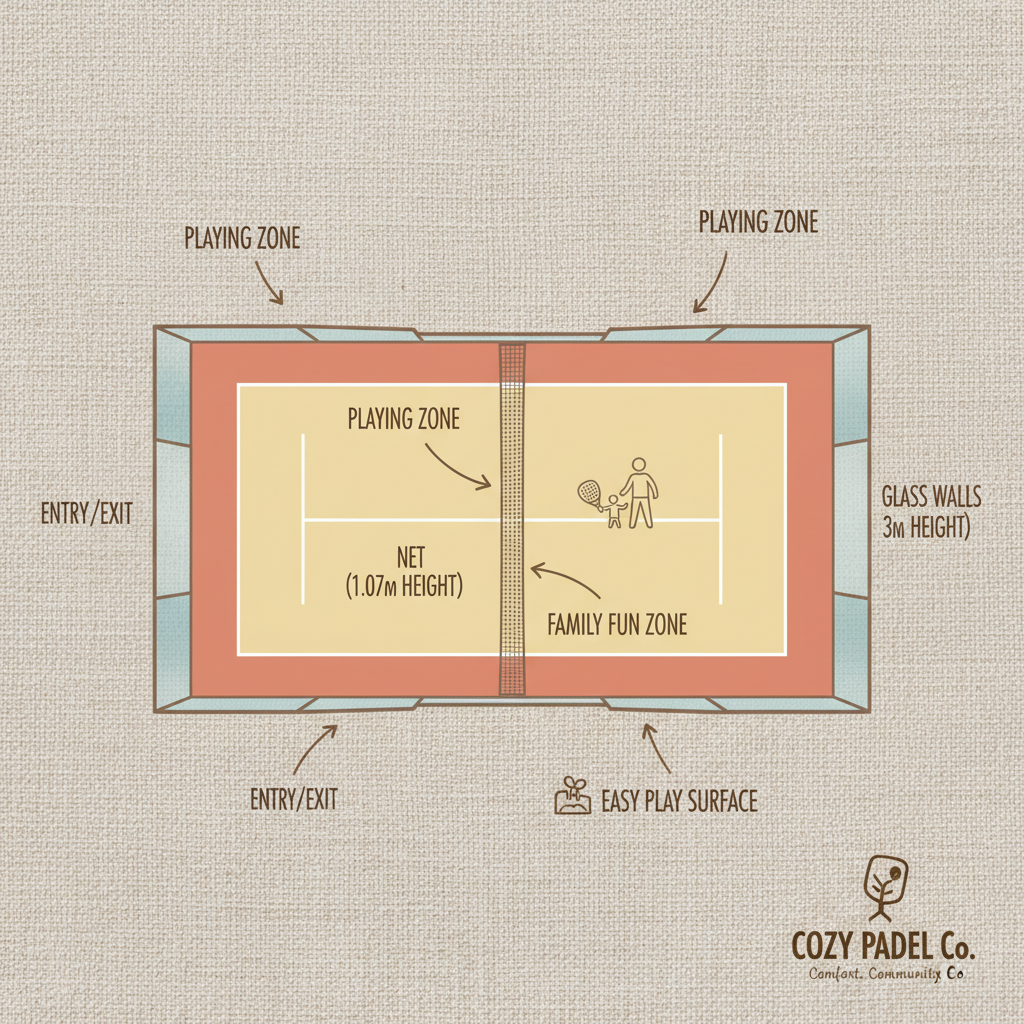
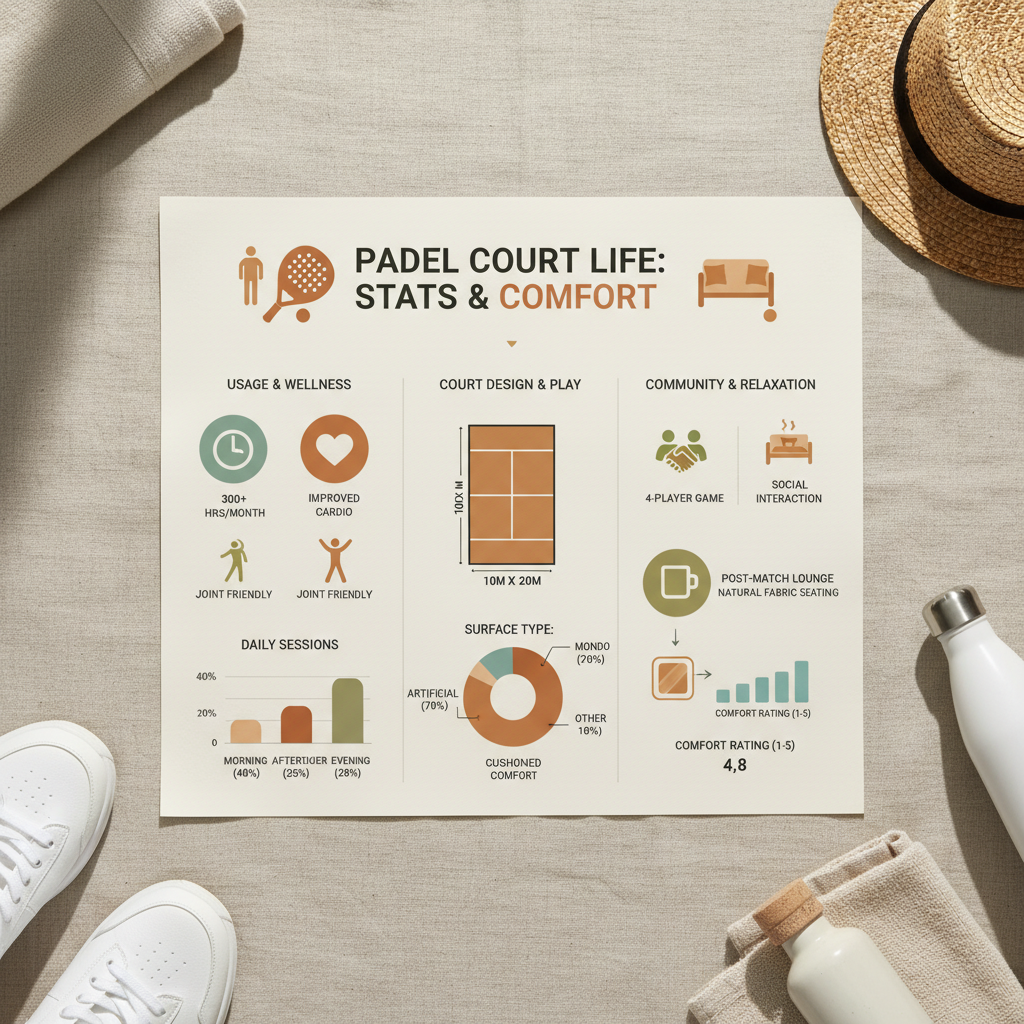
A tennis padel court is a rectangular playing surface enclosed by walls of glass and galvanized steel mesh. Measuring 20 meters long and 10 meters wide, it’s significantly smaller than a traditional tennis court. The court is divided into two halves by a net, and it’s the unique ability to utilize the surrounding walls as part of the game that distinguishes padel from other racket sports.
This enclosed design is not merely a gameplay feature; it's fundamental to the sport’s accessibility. The walls allow players of varying skill levels to maintain rallies, making it enjoyable for beginners while still offering a challenging experience for advanced players. This accessibility, coupled with the social nature of play, has driven the global expansion of tennis padel court facilities.
Global Rise and Industry Context
The growth of padel has been astonishing, particularly in Europe. Spain currently boasts the highest concentration of padel courts per capita, with a remarkable number of facilities catering to a rapidly growing player base. Italy, France, and the United Kingdom are also experiencing significant increases in padel participation, driving demand for new tennis padel court construction. The FIP estimates a global growth rate of over 20% annually, a testament to the sport's popularity.
This expansion has created a thriving industry encompassing court construction, equipment manufacturing, coaching services, and tournament organization. The demand for standardized court materials and construction techniques is also increasing, driven by the need to host professional tournaments and ensure consistent playing conditions. This has led to the development of specialized companies focusing on tennis padel court installation and maintenance.
The economic impact extends beyond the direct sports industry. Padel clubs often become social hubs, attracting visitors and boosting local economies. The accessibility of the sport also encourages participation from diverse demographics, contributing to a more active and healthy lifestyle.
Core Components of Padel Courts
A typical tennis padel court comprises several key components. The structural frame, usually constructed from galvanized steel, provides the support for the glass and mesh walls. The playing surface itself is typically made of artificial turf, often layered over a concrete or asphalt base. The type of turf significantly impacts ball speed and player comfort.
The glass walls, usually 10 or 12 mm thick, allow spectators to view the game and are crucial for maintaining the dynamic playing style. The galvanized steel mesh extends from the top of the glass to the ground, creating a fully enclosed playing area. The net dividing the court is similar to a tennis net but slightly shorter. Finally, lighting systems are essential for evening play, requiring careful consideration of brightness and glare reduction.
The quality of each component directly impacts the overall playing experience and the longevity of the court. Choosing durable, weather-resistant materials is crucial, particularly in regions with harsh climates. Proper installation is also paramount, ensuring the structural integrity and safety of the court.
Durability and Longevity of Court Materials
The lifespan of a tennis padel court is heavily dependent on the materials used and the quality of construction. Galvanized steel frames, when properly treated, can withstand corrosion for decades. However, the glass walls are more susceptible to damage from stray balls or accidental impacts.
Artificial turf requires regular maintenance to maintain its playing characteristics. Different turf types offer varying levels of durability and resistance to wear and tear. The choice of turf should be based on the expected usage and climate conditions.
Court Material Durability Ratings
Global Applications of Padel Courts
Tennis padel court facilities are appearing in a diverse range of locations worldwide. In Spain and Argentina, they are commonplace in sports clubs, community centers, and even private residences. Across Europe, padel is rapidly gaining traction, with new courts being installed in dedicated padel centers, tennis clubs, and leisure facilities.
Outside of Europe and South America, the sport is growing in popularity in North America, Australia, and Asia. Luxury resorts and hotels are increasingly incorporating padel courts as an amenity, attracting tourists and sports enthusiasts. The versatility of padel, requiring a smaller footprint than traditional tennis, makes it suitable for a variety of locations.
Advantages and Long-Term Value
Investing in a tennis padel court offers numerous advantages. The relatively low cost of construction compared to tennis courts makes it an attractive option for facilities with limited budgets. The enclosed nature of the court minimizes noise pollution, making it suitable for residential areas.
Furthermore, padel’s accessibility encourages participation from a wide range of ages and skill levels, fostering a strong sense of community. The sport’s popularity translates to increased revenue for facility owners through court rentals, coaching fees, and equipment sales.
Beyond the financial benefits, padel promotes a healthy and active lifestyle, contributing to the well-being of participants. The social aspect of the game fosters camaraderie and provides a fun and engaging form of exercise.
Future Trends and Innovations
The future of tennis padel court is likely to see several key trends. The development of more durable and sustainable court materials is a major focus, with research into recycled plastics and innovative turf technologies. Smart court technology, incorporating sensors and data analytics, is also emerging, offering insights into player performance and court usage.
Another trend is the integration of padel into multi-sport facilities, creating comprehensive recreational hubs. The development of standardized court lighting systems that minimize glare and energy consumption is also gaining momentum. Finally, the use of prefabricated court modules for faster and more efficient installation is becoming increasingly popular.
Key Factors Influencing Padel Court Development
| Material Type |
Installation Cost (USD) |
Maintenance Frequency |
Lifespan (Years) |
| Galvanized Steel Frame |
$5,000 - $8,000 |
Annual Inspection |
25+ |
| Tempered Glass |
$3,000 - $5,000 |
Bi-Annual Inspection |
15-20 |
| Turf (Standard) |
$2,000 - $4,000 |
Monthly Brushing |
8-12 |
| Turf (Premium) |
$4,000 - $6,000 |
Bi-Monthly Brushing |
12-15 |
| Mesh Panels |
$1,000 - $2,000 |
Annual Inspection |
20+ |
| LED Lighting System |
$1,500 - $3,000 |
Bulb Replacement (as needed) |
10-15 |
FAQS
A properly constructed and maintained tennis padel court can last between 15 and 25 years, depending on the materials used and the climate. Regular inspections, prompt repairs, and appropriate turf maintenance are crucial for maximizing its lifespan. The steel frame typically has the longest lifespan, while the turf and glass may require replacement sooner.
Padel courts are significantly smaller and enclosed, requiring a different construction approach than tennis courts. The use of glass and mesh walls adds complexity to the structural design. Padel courts often utilize a simpler base construction, requiring less excavation than traditional clay or grass tennis courts. The enclosed structure also necessitates careful consideration of ventilation and lighting.
The best turf for a padel court depends on budget and desired playing characteristics. Premium turf offers better durability, cushioning, and ball bounce, but comes at a higher cost. Standard turf provides a more affordable option, but may require more frequent replacement. Look for turf specifically designed for padel, with good drainage and UV resistance.
Regular maintenance includes brushing the turf to keep it clean and maintain its pile height, inspecting the glass and mesh for damage, and checking the structural integrity of the frame. Periodic cleaning of the glass is also essential. Depending on the turf type, occasional watering or sanding may be required to maintain optimal playing conditions.
Planning permission requirements vary depending on local regulations and the location of the court. Generally, courts installed in residential areas or requiring significant groundworks are more likely to need permission. It’s crucial to check with local planning authorities before commencing any construction work.
The cost of building a tennis padel court varies significantly depending on the materials used, the complexity of the installation, and the location. Typical costs range from $15,000 to $30,000, including materials, labor, and any necessary site preparation. Ongoing maintenance costs should also be factored into the budget.
Conclusion
In conclusion, the rise of padel tennis represents a significant trend in the global sports landscape. The accessibility, social nature, and relatively low cost of entry have fueled its remarkable growth. Investing in understanding the nuances of tennis padel court construction, maintenance, and materials is crucial for sustaining this momentum and ensuring a high-quality playing experience for enthusiasts worldwide. From durable materials to innovative technologies, the future of padel is bright.
Looking ahead, continued innovation in materials, construction techniques, and smart court technologies will be key to further enhancing the padel experience. By prioritizing sustainability, accessibility, and player safety, we can ensure that padel continues to thrive as a popular and engaging sport for generations to come. For expert solutions and high-quality courts, visit our website: www.yocoolcn.com.


 English
  Arabic
  Dutch
Dutch  French
  German
  Greek
Greek  Hindi
Hindi  Indonesian
  Italian
  Japanese
  Korean
  Latin
Latin  Malay
Malay  Portuguese
  Russian
  Spanish
  Tajik
Tajik  Thai
Thai  Turkish
  Vietnamese