Pro padel courts are rapidly gaining global popularity, evolving from a niche sport to a mainstream recreational and competitive activity. This surge in interest is fueled by its accessibility, engaging gameplay, and social nature, creating a demand for high-quality court infrastructure worldwide. Understanding the nuances of pro padel courts - from their construction to their material science - is critical for investors, facility managers, and enthusiasts alike, driving the need for optimized performance, longevity, and cost-effectiveness.
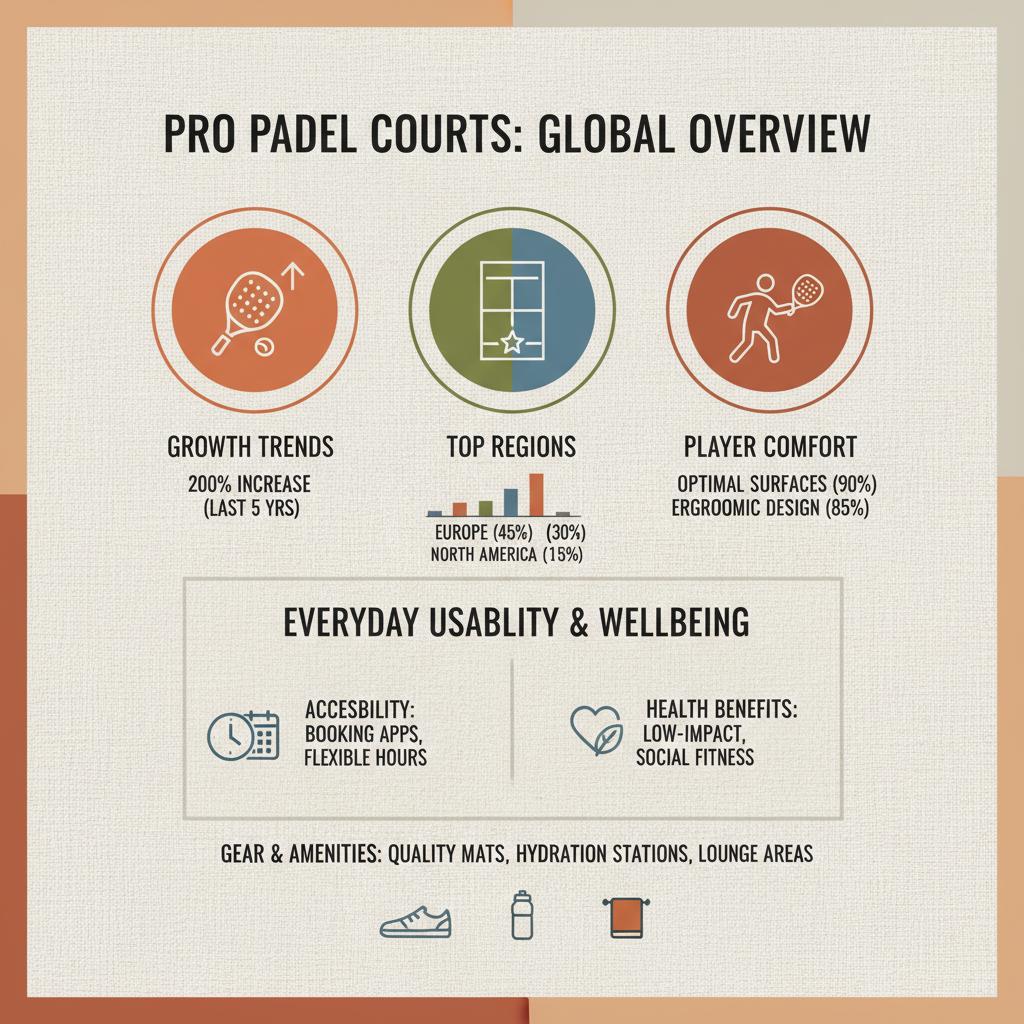
The global padel market is experiencing exponential growth, with significant investment flowing into facility development across Europe, South America, and increasingly, North America and Asia. This expansion is supported by the International Padel Federation (FIP) and the World Padel Tour (WPT), promoting professional tournaments and standardizing court specifications. The rise of pro padel courts provides economic opportunities in construction, tourism, and sports equipment manufacturing.
Investing in superior pro padel courts offers numerous benefits, including increased player satisfaction, enhanced safety, and reduced maintenance costs. Advanced materials and construction techniques contribute to courts that withstand heavy use and varying weather conditions, maximizing return on investment for facility owners and ensuring a premier playing experience for athletes. As padel continues its trajectory towards mainstream acceptance, strategic investment in quality court infrastructure will be paramount.
Introduction to pro padel courts
Pro padel courts represent a specialized form of sports infrastructure, engineered to deliver optimal playing conditions for the rapidly growing sport of padel. These courts differ significantly from traditional tennis courts in their dimensions, materials, and enclosure, contributing to a unique playing experience that blends elements of tennis, squash, and racquetball. The demand for high-quality pro padel courts is driven by the sport’s increasing popularity amongst both amateur and professional players.
The construction of a pro padel court requires meticulous attention to detail, incorporating specific regulations set by governing bodies like the World Padel Tour. Key elements include a tempered glass and steel enclosure, specialized synthetic turf playing surfaces, and robust foundations designed to withstand constant use. Achieving a level playing field and ensuring player safety are paramount considerations in the design and installation of these courts.
Defining Pro Padel Courts
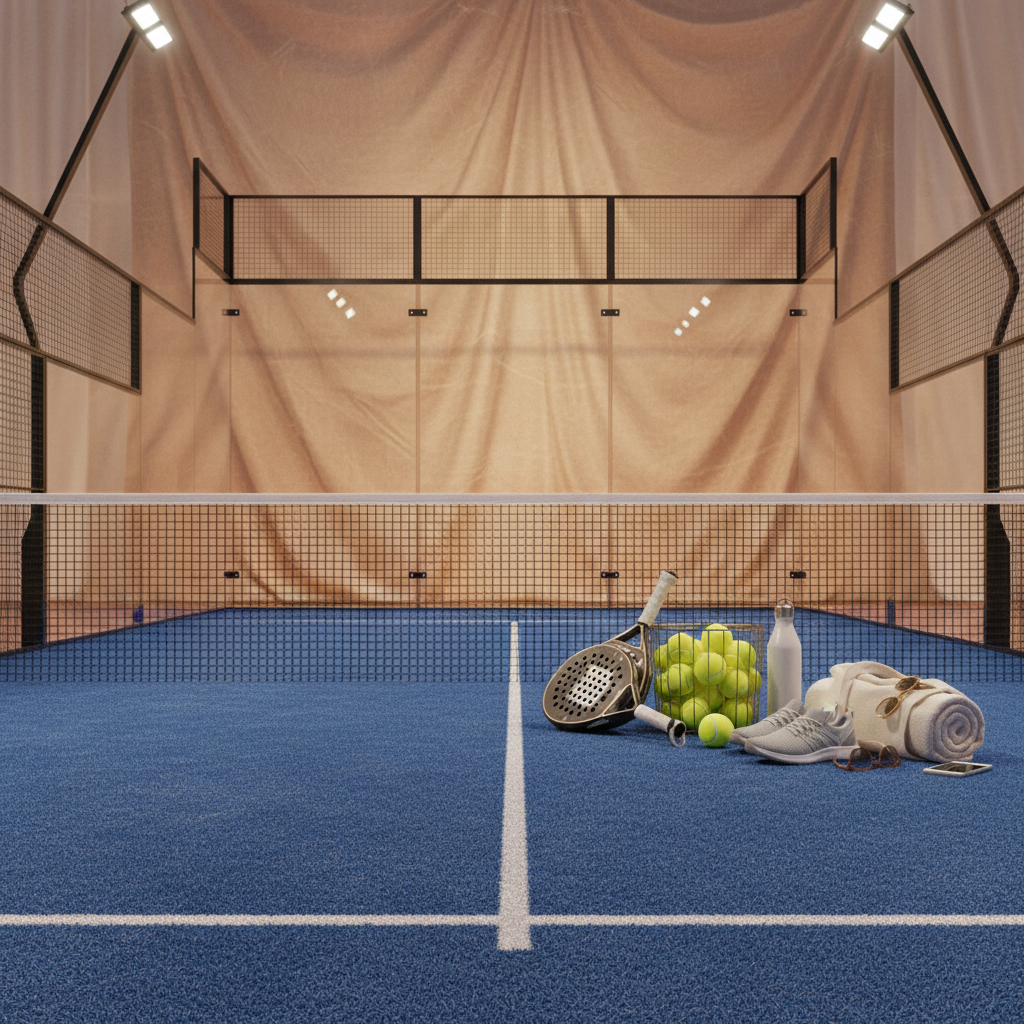
A pro padel court is an enclosed rectangular playing area specifically designed for the game of padel. It typically measures 20 meters long by 10 meters wide and is enclosed by walls made of tempered glass and a metallic mesh, allowing players to utilize the walls as part of their gameplay. These courts differ from tennis courts in their smaller size, lower net height, and the use of solid, paddle-like rackets.
The primary purpose of a pro padel court is to provide a dynamic and engaging playing surface for padel matches, accommodating both recreational players and competitive tournaments. They are constructed to meet stringent specifications concerning dimensions, surface materials, and wall integrity, ensuring consistent bounce and fair gameplay. Investing in a pro padel court signifies a commitment to providing a high-quality sporting experience.
Furthermore, pro padel courts are directly linked to the burgeoning padel industry, fostering a community of players, coaches, and event organizers. Their presence stimulates local economies, attracts tourism, and promotes a healthy lifestyle. The rise of professional padel leagues and tournaments emphasizes the need for courts that meet the exacting standards of professional play.
Core Components of Pro Padel Courts
The foundation of a pro padel court is a meticulously prepared base layer, typically constructed from compacted gravel and concrete, ensuring stability and proper drainage. This foundation must be perfectly level to prevent uneven ball bounce and maintain consistent playing conditions. The quality of the foundation directly impacts the lifespan and performance of the entire court structure.
The playing surface is generally comprised of multiple layers of synthetic turf, designed to provide optimal grip, shock absorption, and ball rebound. Different turf types are available, varying in fiber height, density, and color, impacting the speed and overall feel of the court. Selecting the appropriate turf is crucial for accommodating different playing styles and maximizing player comfort.
The enclosure, constructed from tempered glass and steel mesh, defines the playing area and allows players to utilize the walls strategically. The glass panels must meet stringent safety standards, ensuring resistance to impact and preventing injuries. The mesh section, typically located at the top and sides, prevents balls from leaving the court while maintaining visibility for spectators.
Applications of Pro Padel Courts Globally
Pro padel courts are becoming increasingly prevalent in sports clubs and recreational facilities across Europe, particularly in Spain, Italy, and France, where padel enjoys widespread popularity. These facilities cater to a diverse range of players, from casual enthusiasts to competitive athletes. The courts are also being integrated into hotel resorts and tourist destinations, attracting padel-loving visitors.
In South America, Argentina, the birthplace of padel, boasts a high concentration of pro padel courts, serving as hubs for local communities and professional tournaments. The sport's accessibility and social nature have made it a staple of Argentinian leisure culture. Expansion into other South American countries, like Brazil and Chile, is gaining momentum.
North America is experiencing a rapid surge in padel adoption, with pro padel courts being installed in upscale fitness centers, private clubs, and dedicated padel facilities. The sport’s growing appeal is attracting both experienced tennis players and newcomers, driving demand for high-quality court infrastructure.
Pro Padel Court Performance Metrics
Advantages and Long-Term Value
Investing in high-quality pro padel courts delivers significant cost savings over the long term due to reduced maintenance requirements and increased durability. The use of robust materials and precise construction techniques minimizes the need for frequent repairs or replacements, maximizing return on investment for facility owners. Pro padel courts represent a strategic asset, enhancing the value of any sports complex.
Beyond financial benefits, pro padel courts contribute to a sustainable sporting environment. Modern court construction utilizes eco-friendly materials and energy-efficient lighting systems, minimizing environmental impact. The sport itself promotes physical activity and social interaction, fostering a healthier lifestyle for players of all ages and abilities.
Future Trends and Innovations
Emerging trends in pro padel court technology include the integration of smart sensors to monitor court usage, surface conditions, and player performance. These sensors provide valuable data for optimizing maintenance schedules, enhancing player training programs, and improving the overall playing experience. The future of pro padel courts is undeniably linked to digital innovation.
Advancements in material science are leading to the development of more durable, weather-resistant, and eco-friendly turf and glass materials. Researchers are exploring the use of recycled materials and innovative manufacturing processes to reduce the environmental footprint of pro padel court construction.
Challenges and Solutions in Pro Padel Court Construction
One common challenge in pro padel court construction is ensuring proper drainage, particularly in areas with high rainfall or poor soil conditions. Incorrect drainage can lead to waterlogging, compromising the playing surface and potentially causing structural damage. Solutions include implementing a comprehensive drainage system with underground pipes and gravel layers.
Another challenge is maintaining the structural integrity of the glass enclosure over time. Exposure to harsh weather conditions and accidental impacts can cause cracks or breakage. Using high-quality tempered glass, employing proper installation techniques, and implementing regular inspection and maintenance programs are crucial for mitigating this risk.
Finally, ensuring consistent playing surfaces across multiple courts can be difficult due to variations in turf density and foundation levels. Precise leveling during construction, the use of standardized turf specifications, and regular maintenance adjustments are essential for maintaining a uniform playing experience.
Summary of Pro Padel Court Construction Challenges and Solutions
| Challenge |
Impact on Court Performance |
Solution |
Cost Estimate |
| Poor Drainage |
Waterlogging, uneven bounce |
Underground drainage system |
$3,000 - $6,000 |
| Glass Enclosure Damage |
Safety hazard, game disruption |
High-quality tempered glass, regular inspections |
$2,000 - $5,000 (replacement) |
| Uneven Turf Surface |
Inconsistent ball bounce |
Precise leveling, standardized turf |
$1,000 - $3,000 (re-leveling/replacement) |
| Foundation Instability |
Cracking, shifting of the court |
Compacted gravel and concrete base |
$4,000 - $8,000 (repair/replacement) |
| Substandard Turf Quality |
Poor grip, wear and tear |
Use high quality, durable turf |
$2,000 - $4,000 (replacement) |
| Improper Wall Alignment |
Distorted ball rebound |
Professional installation, laser leveling |
$1,500 - $3,500 (re-alignment) |
FAQS
A well-maintained pro padel court, constructed with high-quality materials and a robust foundation, can typically last between 10 and 15 years. The lifespan is influenced by factors such as climate conditions, frequency of use, and the effectiveness of ongoing maintenance programs. Regular inspections and timely repairs are crucial for maximizing the court’s longevity and preventing costly replacements.
Pro padel courts adhere to stricter specifications regarding dimensions, materials, and construction quality, ensuring optimal playing conditions for professional-level competition. They typically feature higher-grade tempered glass, more durable turf, and a more meticulously leveled foundation. Standard padel courts may have slightly less stringent requirements, making them more suitable for recreational use.
The cost of building a pro padel court can vary significantly depending on location, materials, and installation complexity. Typically, costs range from $40,000 to $80,000, encompassing site preparation, foundation construction, glass enclosure installation, turf installation, and labor costs. Additional expenses may include lighting, fencing, and landscaping.
Regular maintenance is essential for preserving the performance and safety of a pro padel court. This includes routine cleaning of the playing surface, inspection of the glass enclosure for cracks or damage, tightening of bolts and fasteners, and periodic turf brushing or replacement. Annual professional inspections are also recommended to identify and address any potential issues.
Pro padel courts can be designed for both indoor and outdoor use, but outdoor courts require additional considerations to withstand weather elements. Outdoor courts necessitate robust drainage systems, UV-resistant turf materials, and potentially a covered structure to protect against rain and sun. Indoor courts offer greater protection from the elements and consistent playing conditions.
Building a pro padel court typically requires obtaining permits from local authorities, adhering to zoning regulations, and complying with building codes. Specific requirements vary depending on the location and the court’s intended use. It's essential to consult with local planning officials to ensure full compliance with all applicable regulations before commencing construction.
Conclusion
Pro padel courts are more than just sporting facilities; they represent an investment in a rapidly growing and increasingly popular sport. Their unique construction, demanding specific materials and installation expertise, delivers an unparalleled playing experience. Understanding the core components, long-term advantages, and emerging trends associated with pro padel courts is critical for stakeholders looking to capitalize on this dynamic market.
Looking ahead, the future of pro padel courts will be shaped by technological advancements, sustainable materials, and a growing emphasis on player safety and comfort. By embracing innovation and prioritizing quality construction, we can ensure that pro padel courts continue to thrive as hubs for athletic competition, social interaction, and healthy recreation. Visit our website at yocoolcn.com to learn more about our pro padel court solutions.



 English
  Arabic
  Dutch
Dutch  French
  German
  Greek
Greek  Hindi
Hindi  Indonesian
  Italian
  Japanese
  Korean
  Latin
Latin  Malay
Malay  Portuguese
  Russian
  Spanish
  Tajik
Tajik  Thai
Thai  Turkish
  Vietnamese