The world of sports is constantly evolving, and the increasing popularity of padel tennis has driven significant demand for specialized playing surfaces – the tennis paddle court. This isn’t merely a recreational trend; it represents a growing global industry with substantial economic impact and a need for durable, high-performance court solutions. Understanding the nuances of these courts, from their construction to their long-term maintenance, is crucial for investors, facility managers, and athletes alike.
The construction and maintenance of a quality tennis paddle court directly impacts player safety, performance, and the longevity of the investment. Worldwide, the demand for padel courts is surging, particularly in Europe and Latin America, and now rapidly gaining traction in North America and Asia. This expansion necessitates a deeper understanding of the materials, techniques, and best practices involved in building and maintaining these increasingly sought-after facilities.
The benefits of a well-constructed tennis paddle court extend beyond simple playability. They encompass economic opportunities for businesses involved in construction and maintenance, health benefits for players, and community building through access to recreational facilities. This article will delve into the defining characteristics, applications, advantages, and future trends of tennis paddle courts, providing a comprehensive overview of this rapidly expanding field.
Introduction to tennis paddle court
Padel tennis, a sport combining elements of tennis, squash, and badminton, has experienced a meteoric rise in popularity worldwide. Central to this growth is the specialized playing surface – the tennis paddle court. These courts differ significantly from traditional tennis courts, utilizing glass and metal mesh panels to create a unique playing experience.
The demand for padel courts is currently outpacing supply in many regions, creating a burgeoning market for construction, maintenance, and related services. Understanding the intricacies of these courts – from their layered construction to the specific materials used – is vital for those looking to invest in or benefit from this booming industry.
Defining the tennis paddle court
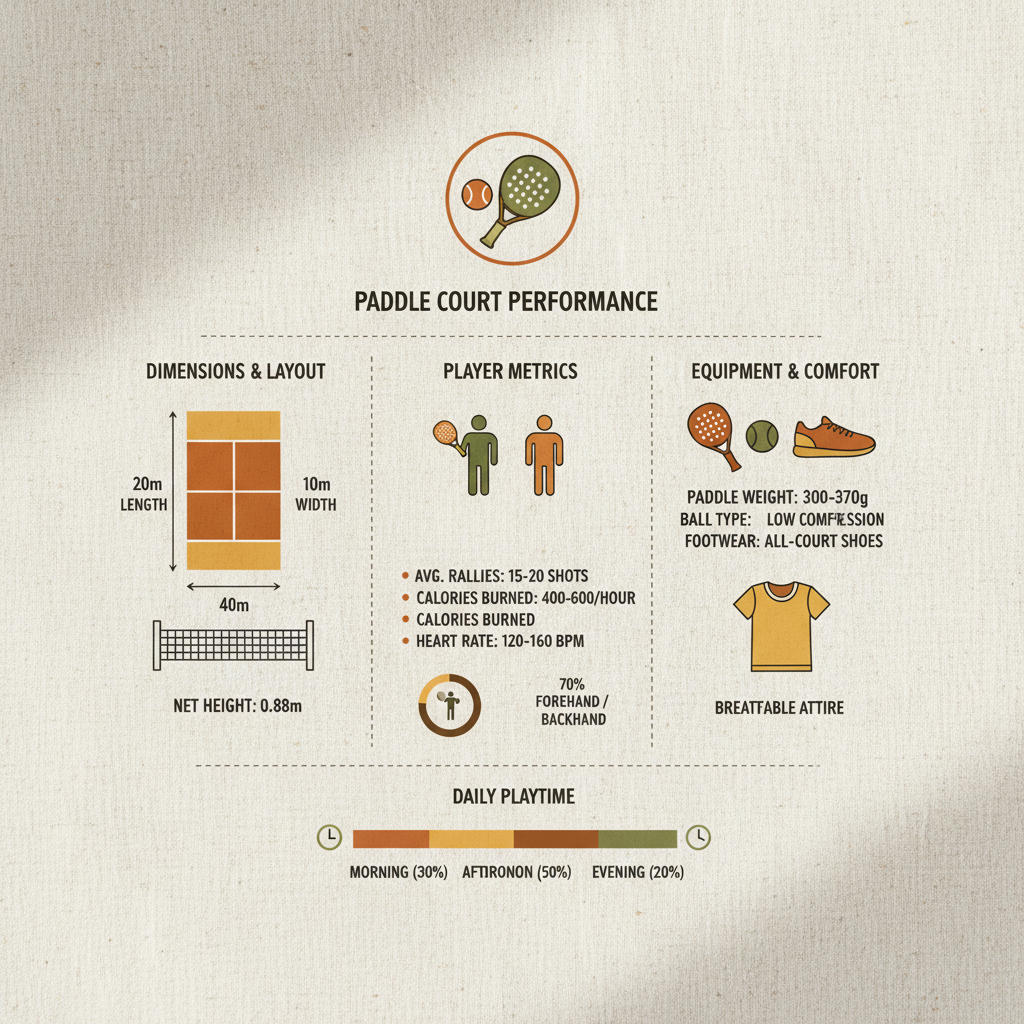
A tennis paddle court is a rectangular playing surface enclosed by walls made of a combination of glass and galvanized steel mesh. The dimensions are smaller than a traditional tennis court (10m x 20m), and the court is divided into two halves by a net. The primary difference lies in the ability to play shots off the surrounding walls, adding a dynamic and strategic element to the game.
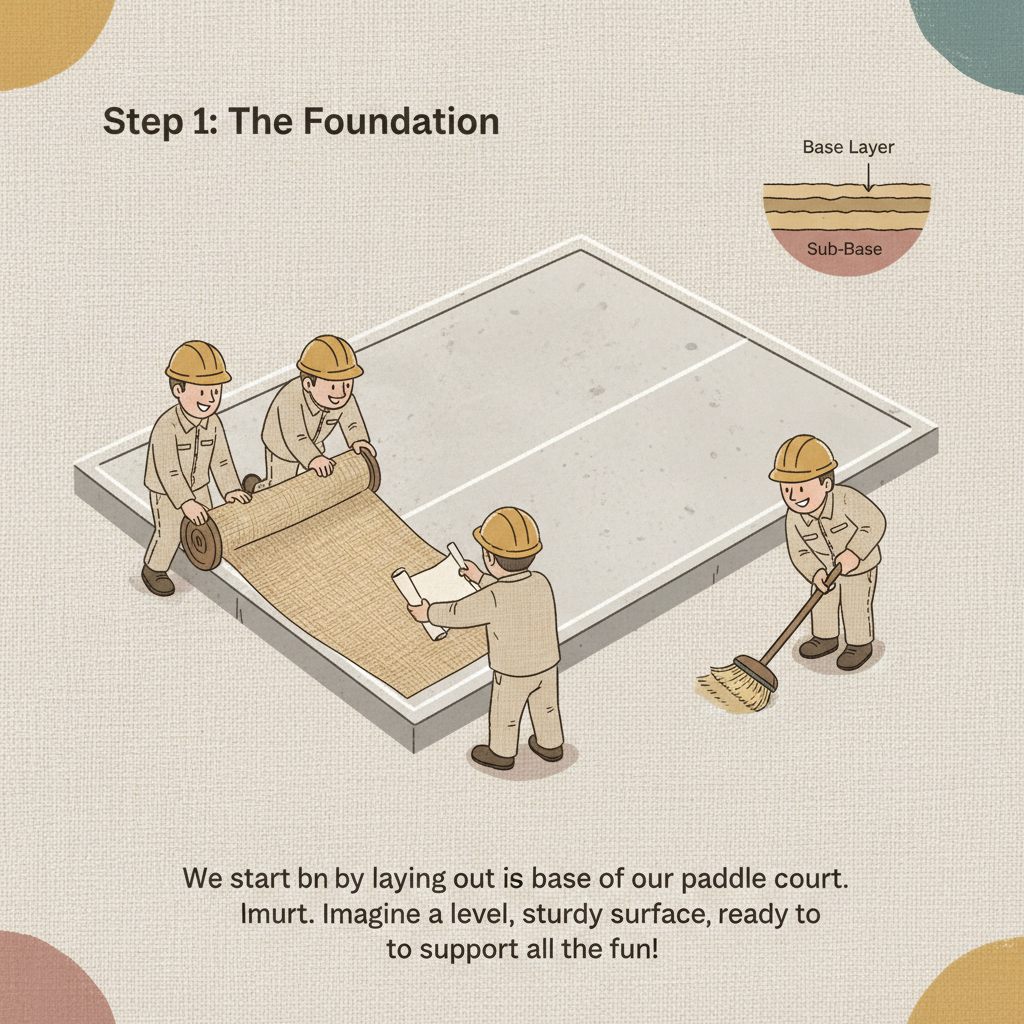
Unlike traditional tennis, padel focuses more on strategy, reflexes, and teamwork. The enclosed environment encourages longer rallies and a different style of play. The courts are typically constructed using a layered system, beginning with a base layer for drainage, followed by a shock-absorbing layer, and finally a top playing surface, often made of synthetic turf.
The rise in popularity of padel and its courts is closely linked to its accessibility. It's easier to learn than traditional tennis, requires less physical exertion, and promotes a social and inclusive playing environment. This has made it a favorite among players of all ages and skill levels, further fueling demand for quality tennis paddle court facilities.
Core Components of a tennis paddle court
The construction of a robust and playable tennis paddle court relies on several key components. First is the substructure, which requires a solid, level base. This is typically constructed from compacted gravel or concrete to ensure stability and proper drainage. The subsequent layers contribute to the court's performance and longevity.
The second critical element is the shock absorption layer, often made of rubber or a similar elastic material. This layer minimizes impact stress on players, reducing the risk of injury and improving playing comfort. The quality of this layer directly affects ball bounce and overall court feel. Furthermore, the choice of playing surface – synthetic turf being the most common – plays a vital role in grip, speed, and durability.
Finally, the surrounding structure, composed of glass and galvanized steel mesh, dictates the playing boundaries and provides the unique reflective playing experience that defines padel tennis. The quality of the glass, the robustness of the mesh, and the precision of the installation are all crucial for safety and optimal play.
Global Applications of tennis paddle court
The application of tennis paddle court facilities spans a broad range of settings. In Europe, particularly Spain and Sweden, padel tennis has become a mainstream sport, with courts integrated into sports clubs, community centers, and private residences. Latin America, especially Argentina where padel originated, sees courts as a core component of recreational infrastructure.
More recently, North America and Asia have experienced rapid growth in padel popularity, leading to increased demand for court construction in urban areas, resorts, and dedicated padel centers. This expansion necessitates adaptable court designs that can accommodate various space constraints and environmental conditions.
Even in unconventional settings, such as corporate wellness programs and cruise ships, padel courts are gaining traction as a unique and engaging recreational activity. The relatively small court size and adaptability make it a feasible option for diverse locations seeking to offer innovative sports and fitness opportunities.
Average tennis paddle court Construction Costs
Advantages and Long-Term Value of tennis paddle court
Investing in a tennis paddle court offers a multitude of advantages, spanning financial, social, and health benefits. From a financial perspective, padel courts can generate revenue through court rentals, membership fees, and hosting tournaments. The relatively low maintenance costs compared to traditional tennis courts contribute to a higher return on investment.
Socially, padel fosters community engagement and provides a welcoming environment for players of all skill levels. The sport’s inclusive nature promotes social interaction and a sense of belonging. From a health standpoint, padel offers a full-body workout that is both enjoyable and effective, contributing to improved fitness and well-being.
Future Trends in tennis paddle court Technology
The future of tennis paddle court construction and maintenance is poised for innovation. We can expect advancements in materials science, leading to more durable and sustainable court surfaces. Research is ongoing into utilizing recycled materials in court construction, minimizing environmental impact.
Smart court technology, incorporating sensors and data analytics, will likely become more prevalent. This could include features such as automated ball tracking, performance monitoring, and remote court access control, enhancing the player experience and optimizing facility management.
Challenges and Solutions in tennis paddle court Construction
Despite its rapid growth, the tennis paddle court industry faces certain challenges. One key issue is ensuring consistent quality control in construction, particularly with the increasing demand and the emergence of new builders. This can lead to variations in court performance and durability.
Another challenge is addressing the potential for noise pollution from the glass and metal structures. Implementing soundproofing measures during construction, such as specialized glass coatings or strategically placed barriers, can mitigate this issue. Furthermore, sourcing high-quality materials and employing experienced installers are crucial for long-term success.
Finally, navigating local building codes and regulations can be complex. Collaborating with experienced architects and engineers familiar with padel court construction can streamline the permitting process and ensure compliance with all applicable standards.
Key Factors Influencing tennis paddle court Quality
| Material Quality |
Installation Expertise |
Drainage System Effectiveness |
Structural Integrity |
| High-grade glass & steel |
Certified padel court installers |
Efficient water runoff design |
Robust frame construction (8/10) |
| Durable synthetic turf (7/10) |
Adherence to manufacturer guidelines |
Proper slope & gravel base |
Wind resistance assessment (6/10) |
| UV-resistant coatings |
Accurate leveling of the surface |
Regular maintenance of drains |
Glass panel safety standards (9/10) |
| Shock-absorbing base layer |
Precise net installation |
Preventing water pooling |
Foundation stability analysis (7/10) |
| Non-slip turf fibers |
Compliance with safety regulations |
Periodic inspections of drainage |
Galvanized steel corrosion protection (8/10) |
| Consistent turf thickness |
Proper anchoring of the structure |
Effective stormwater management |
Joint sealing & weatherproofing (6/10) |
FAQS
A properly constructed and regularly maintained tennis paddle court can have a lifespan of 15-20 years or even longer. Key factors impacting longevity include the quality of materials used, the effectiveness of the drainage system, and the frequency of maintenance, such as turf replacement and structural repairs. Regular inspections and proactive maintenance are crucial for maximizing the court's lifespan and minimizing costly repairs.
Climate plays a significant role in tennis paddle court construction. In areas with heavy rainfall, robust drainage systems are essential to prevent waterlogging and structural damage. In hot climates, UV-resistant materials are crucial to prevent fading and degradation. Freezing temperatures require materials that can withstand expansion and contraction without cracking. Careful consideration of local climate conditions is vital for ensuring the court's long-term durability.
Ongoing maintenance for a tennis paddle court typically includes regular brushing and cleaning of the synthetic turf, periodic inspections of the glass and steel structures, and maintaining the drainage system to prevent water buildup. Turf replacement may be required every 5-10 years depending on usage and wear. Addressing minor repairs promptly can prevent them from escalating into more significant and costly issues.
The cost of building a tennis paddle court varies depending on several factors, including the location, materials used, and complexity of the construction. A basic court can cost around $30,000, while more elaborate designs with advanced features can exceed $50,000. Installation costs, permitting fees, and site preparation also contribute to the overall expense. It’s important to obtain detailed quotes from multiple contractors.
Yes, permits and regulations are typically required for building a tennis paddle court. These requirements vary depending on local zoning laws and building codes. It's essential to check with your local municipality to determine the necessary permits and ensure compliance with all applicable regulations before starting construction. Failure to do so can result in fines and delays.
Prefabricated tennis paddle court kits offer several benefits, including faster installation times, reduced construction costs, and consistent quality control. These kits typically include all the necessary components, simplifying the building process and minimizing the risk of errors. Prefabrication can also reduce on-site disruption and environmental impact.
Conclusion
In conclusion, the tennis paddle court represents a significant and growing segment of the sports and recreation industry. From its unique playing surface and engaging gameplay to its economic and social benefits, padel tennis offers a compelling proposition for investors, facility managers, and players alike. Understanding the core components, applications, and future trends of these courts is crucial for success in this dynamic market.
As the sport continues to gain global traction, advancements in materials, construction techniques, and smart court technology will further enhance the player experience and drive innovation. Prioritizing quality, sustainability, and compliance with industry standards will be essential for ensuring the long-term viability and success of this exciting sport. Visit our website at www.yocoolcn.com to explore our range of padel court solutions and learn more about how we can help you create a world-class playing facility.


 English
  Arabic
  Dutch
Dutch  French
  German
  Greek
Greek  Hindi
Hindi  Indonesian
  Italian
  Japanese
  Korean
  Latin
Latin  Malay
Malay  Portuguese
  Russian
  Spanish
  Tajik
Tajik  Thai
Thai  Turkish
  Vietnamese