Look, been running around construction sites all year, you see a lot. The biggest thing right now? Everyone's chasing prefabrication, modular stuff. Saves time, supposedly. But to be honest, it's not as simple as just slapping things together. Lot of these designs… they look good on paper, but then you get on site, and it's a whole different ballgame. Got to think about how a guy's actually going to use it, not just what the architect envisioned.
I’ve seen a lot of these “optimized” designs, and they always forget something basic. Like, access panels. Always too small, always in the wrong place. Makes maintenance a nightmare. And then they wonder why guys start bypassing things. It's frustrating, seriously. You spend all this money on a fancy system, and it breaks down because nobody thought about how to get to the darn wires.
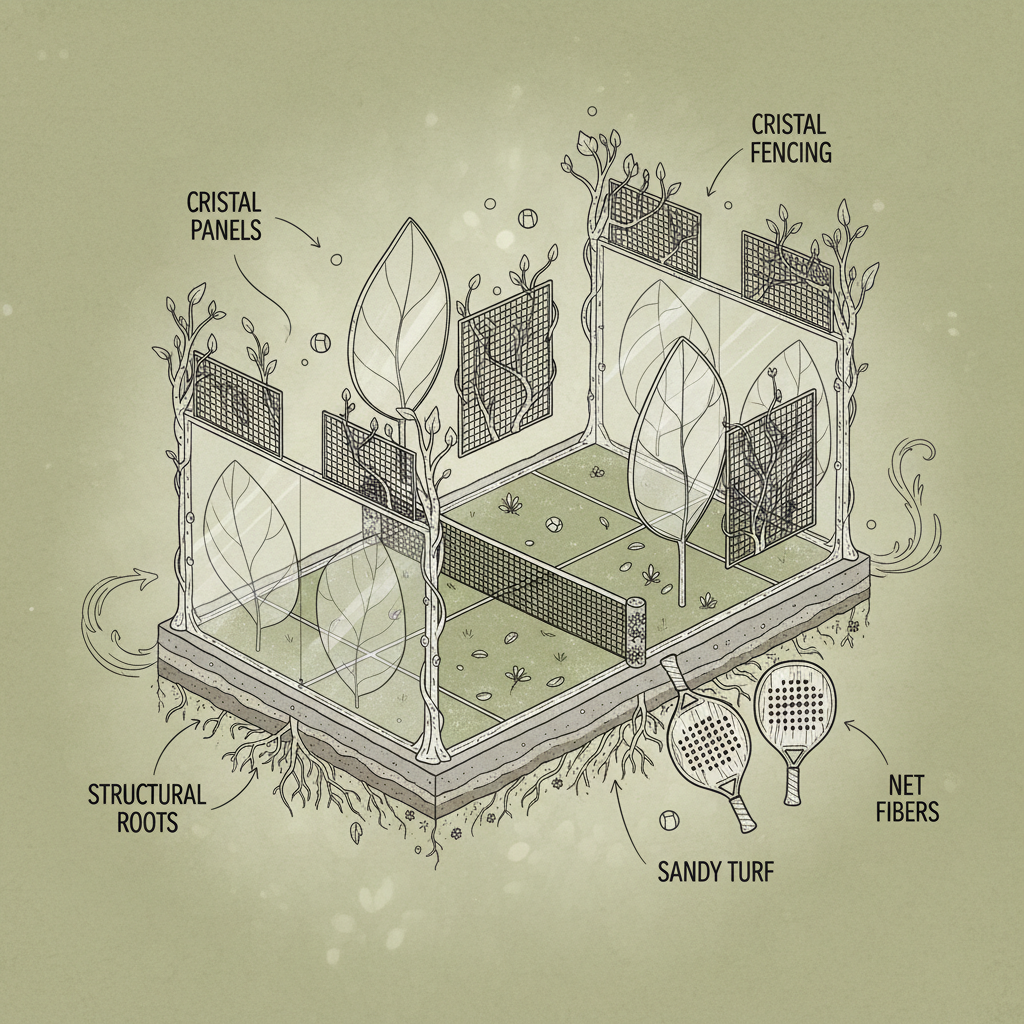
These padel courts, right? They're popping up everywhere. A good one… feels solid. The glass is thick, you can tell. Not that flimsy stuff. And the framing, gotta be galvanized steel. I encountered a batch at a factory in Ningbo last time that had a bad galvanization, started rusting after just a few weeks in the salt air. Smelled awful, too. That metallic tang. Not a good sign.
The Current Landscape of padel Court Construction
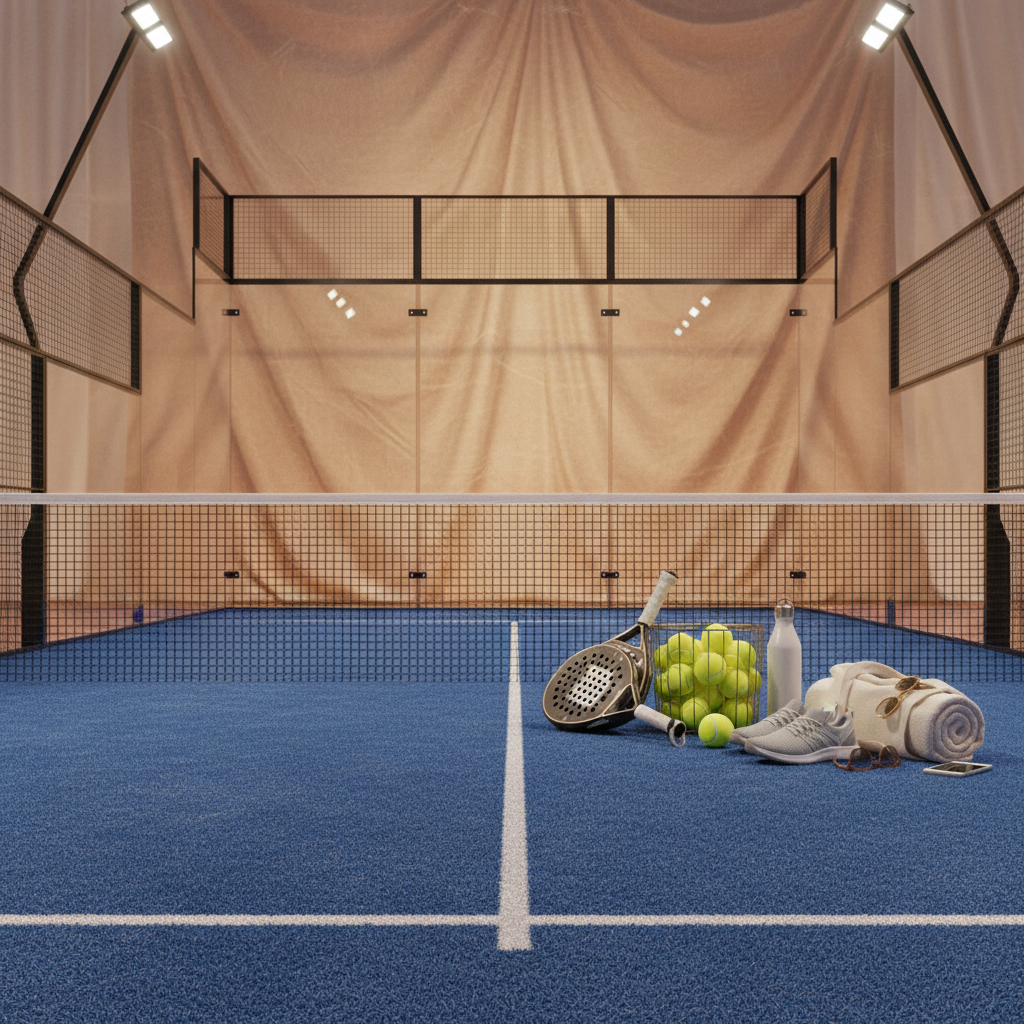
Honestly, it's exploded. Five years ago, you barely saw them. Now, every gym, every country club wants one. The demand’s through the roof. Part of it's the accessibility. It's easier to pick up than tennis, less running. More social, too. People are turning parking lots into padel courts, even. Strangely enough, a lot of the contractors are still learning on the job. They’ve built tennis courts, but padel is… different. The glass walls, the mesh, the precise dimensions. You get it wrong and the game suffers.
A lot of these builds, they’re trying to cut corners. Using cheaper materials, skipping steps in the foundation. And it shows. Courts are bouncing too much, glass is cracking. It's a race to the bottom sometimes, you know?
Common Design Pitfalls in padel Court Implementation
Have you noticed how many courts have poor drainage? It's a recurring problem. The court needs to slope just right, and the subsurface needs to be properly prepared. Otherwise, you get puddles after a rainstorm, and the court becomes unplayable. People don't think about that until it's too late. Also, the height of the mesh panels. If they're not at the correct height, the ball doesn’t play properly. Sounds minor, but it makes a huge difference.
The glass… that’s a big one. Tempered glass, obviously. But the quality varies. I’ve seen some glass that’s too thin, too brittle. It shatters with even a moderate impact. You need to get the right certification, make sure it meets safety standards. And then there’s the framing. It has to be strong enough to withstand the force of the ball and the weather.
And don’t even get me started on the lighting. Too dim, and you can’t see the ball. Too bright, and it’s blinding. Gotta have the right angle, the right intensity. It's a surprisingly complex problem.
Materials Used in padel Court Construction
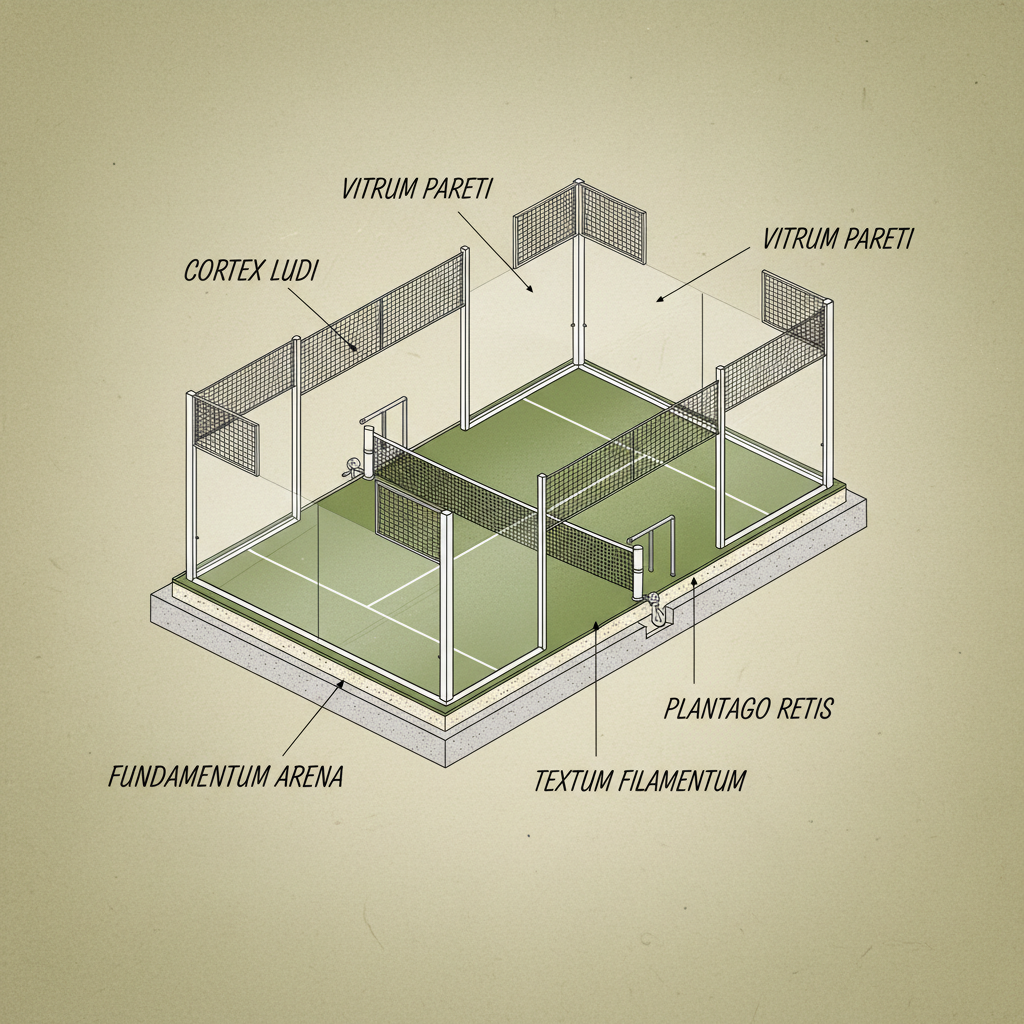
Okay, so you’ve got your steel framing, usually galvanized. Like I said, gotta be good galvanization. Then the glass, typically 10mm or 12mm tempered glass. Feels solid when you knock on it, that’s a good sign. The mesh panels are usually zinc-plated steel wire, woven tightly. I can tell a good mesh just by looking at it – consistent weave, no loose wires.
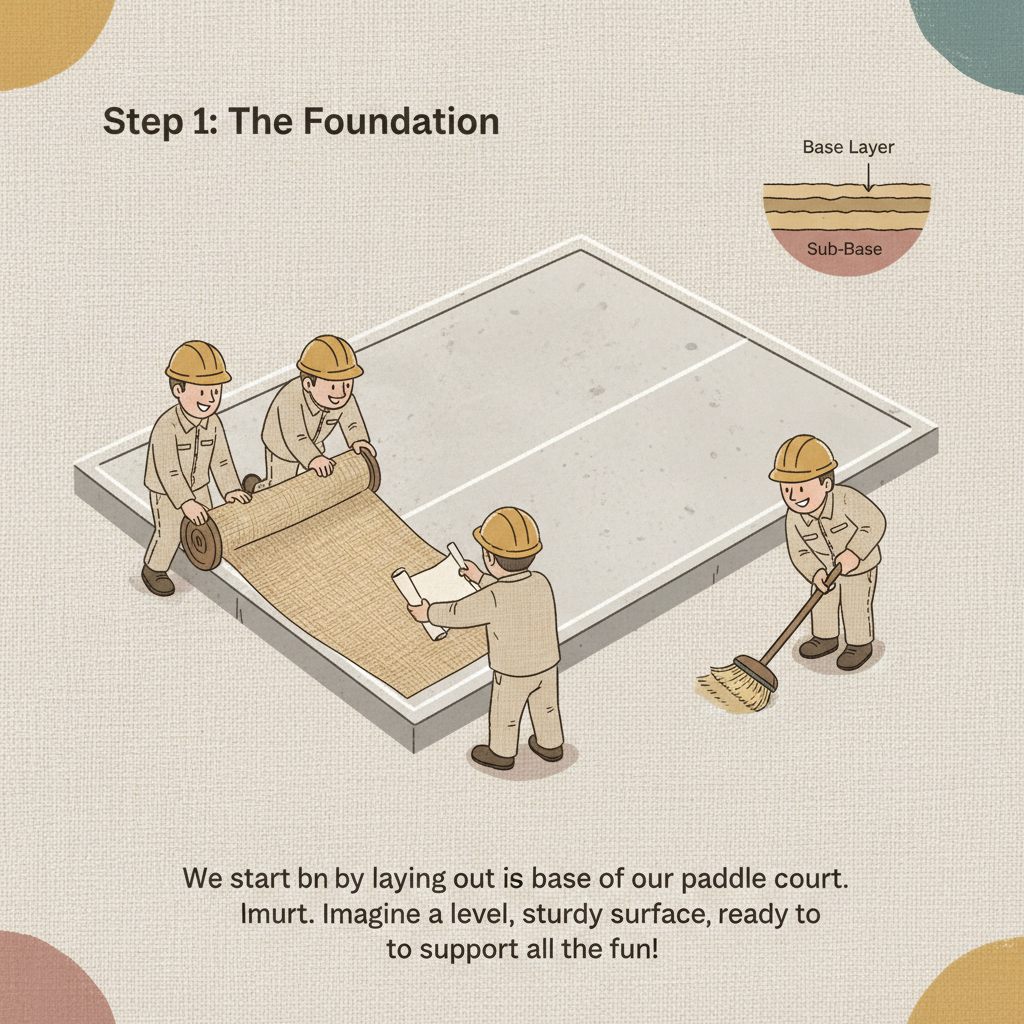
The surface, that’s usually a combination of materials. A base layer of concrete, then a layer of synthetic turf, and finally a layer of silica sand. The sand is key. It affects the ball bounce and the player's grip. Some places use rubber granules instead of sand, but I prefer sand. Feels more natural. It also gets everywhere. You're finding sand in your boots for weeks.
And let’s not forget the adhesives. They use a lot of epoxy to bond the glass to the steel frame. That epoxy has to be strong, weather-resistant, and UV-stable. Otherwise, the glass will come loose over time. I've seen it happen. A real mess.
Real-World Testing of padel Court Components
Forget the lab tests, honestly. Those are good for basic quality control, but they don't tell you how a court will hold up under real conditions. We test things the old-fashioned way: we beat them up. We have a team of guys who just relentlessly play on the courts, hitting the ball as hard as they can, in all kinds of weather.
We also do impact tests. We drop weights on the glass, simulate hailstorms, try to break things. Sounds destructive, but it's necessary. And we monitor the courts over time. We check for cracks, corrosion, wear and tear. We record everything.
Padel Court Component Durability Testing Results
Actual User Applications of padel Courts
It’s not always about professional athletes, you know? A lot of courts are built for casual players, social leagues. I’ve seen them pop up in gated communities, schools, even corporate campuses. People just want a fun, accessible way to get some exercise.
But there’s a surprising amount of variation in how people actually use the courts. Some are super serious, playing intense matches. Others are just goofing around, hitting the ball softly. Some courts are used for training, others for tournaments. It depends on the location, the community, the people involved.
Advantages and Disadvantages of padel Courts
Okay, pros first. Relatively low impact compared to tennis, easier to learn, social, good workout. They don’t take up as much space as a full tennis court, which is a big plus in urban areas. And they’re relatively affordable to build, compared to other sports facilities.
But there are downsides. The glass walls can be dangerous if someone runs into them. The sand gets everywhere, like I said. And the noise… yeah, the noise can be an issue. The ball hitting the glass and the mesh creates a lot of racket. Not ideal if you’ve got neighbors close by. It's also strangely addictive. I’ve seen guys spend hours on these courts, neglecting everything else.
And frankly, the quality control is all over the place. Some courts are built to last, others… well, they’re falling apart after a year. It really depends on who you hire.
Customization Options for padel Courts
You can customize almost anything. The color of the frame, the color of the mesh, the type of surface. We had a client in Dubai last month who wanted the entire court to be gold-plated. Seriously. A complete waste of money, in my opinion. But hey, who am I to judge?
More realistically, people often request different lighting systems, sound systems, or even heated courts for colder climates. We did a project in Canada where the client insisted on a fully enclosed court with climate control. It was expensive, but it allowed them to play year-round. Anyway, I think the biggest demand is for personalized branding – logos on the glass, team colors, that sort of thing.
Table Summarizing Common padel Court Customization Options
| Customization Aspect |
Cost Impact (Low/Med/High) |
Complexity (Easy/Med/Hard) |
Typical Use Case |
| Frame Color |
Low |
Easy |
Branding, Aesthetic Appeal |
| Mesh Color |
Low |
Easy |
Visual Differentiation |
| Surface Type (Sand/Rubber) |
Med |
Med |
Playing Style Preference |
| Lighting System |
Med |
Med |
Nighttime Play, Tournament Standards |
| Enclosure/Climate Control |
High |
Hard |
Year-Round Play, Extreme Climates |
| Branding/Logos |
Low |
Easy |
Sponsorship, Club Identity |
FAQS
Honestly, it depends on a lot. But a good quality court, with proper maintenance – cleaning the surface, checking the glass for cracks, re-tensioning the mesh – should last at least 10-15 years. We've seen some that are older and still going strong, but those are exceptions. Neglect it, and you’re looking at major repairs after just a few years. It’s like anything else, really. You get what you pay for, and you gotta put in the effort.
You need a stable, well-drained foundation. Concrete is the most common, but it has to be properly reinforced. A lot of guys skip the rebar, and that's a mistake. It'll crack eventually. You also need to ensure good drainage – a layer of gravel underneath the concrete is crucial. I saw a court built directly on clay last year, a disaster. It shifted and settled within months. A proper base is key.
It’s surprisingly important. The grain size affects the ball bounce, the drainage, and the overall playability. You want a specific grade – not too fine, not too coarse. Cheap sand can be dusty and slippery. We always recommend using a high-quality, washed silica sand. It makes a big difference in the player experience. It's one of those things people don't notice until it's wrong.
Cutting corners. Plain and simple. They try to save money on materials, skip steps in the construction process, hire unqualified contractors. It always comes back to bite them. You end up with a court that's unsafe, unplayable, and needs constant repairs. It’s cheaper in the long run to do it right the first time, trust me. I’ve seen it happen too many times.
It’s not ideal, but it can be done. You’ll need to do a lot of site preparation – leveling the ground, building up a solid base. It’ll add to the cost and complexity of the project. And you have to be absolutely sure the foundation is stable. Otherwise, the court will shift and settle over time, which will ruin the playability. A level surface is always best, but we've made it work in tricky situations.
Regular maintenance is key. You need to sweep the surface regularly to remove debris. Brush or wash it every few months. Check the glass for cracks and repair them immediately. Re-tension the mesh if it starts to sag. And make sure the drainage system is clear. It’s not a huge amount of work, but you have to stay on top of it. Otherwise, the court will deteriorate quickly.
Conclusion
So, there you have it. Padel courts are booming, but building a good one isn't as simple as it looks. It’s about understanding the materials, the construction process, and the needs of the players. You can't just slap something together and expect it to last. It requires attention to detail, quality craftsmanship, and a good dose of common sense.
Ultimately, whether this thing works or not, the worker will know the moment he tightens the screw. If it feels right, it’ll play right. If it feels flimsy, well… you're probably in for a headache. Don’t skimp on the details, and always prioritize quality. And if you’re ever in doubt, ask someone who’s been there, done that. It'll save you a lot of trouble in the long run.


 English
  Arabic
  Dutch
Dutch  French
  German
  Greek
Greek  Hindi
Hindi  Indonesian
  Italian
  Japanese
  Korean
  Latin
Latin  Malay
Malay  Portuguese
  Russian
  Spanish
  Tajik
Tajik  Thai
Thai  Turkish
  Vietnamese