
Everyone talks about carbon faces and hole patterns, but if you care about Paddle Racquet performance, start with the surface. I’ve seen clubs transform simply by upgrading the court floor. The NO.9 PVC SPORTS FLOOR from Shijiazhuang, Hebei (China) has been popping up in conversations—anti-slip, shock-absorbing, and, to be honest, surprisingly easy to keep clean. For indoor training courts and multi-sport venues where Paddle Racquet drills share space with futsal or PE classes, PVC flooring is having a moment.
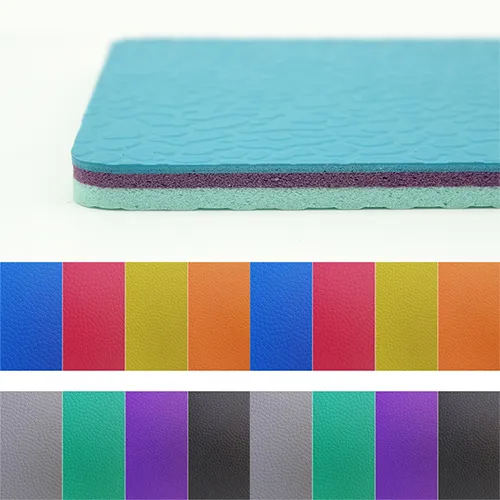
Layers matter. The NO.9 PVC SPORTS FLOOR stacks a UV-cured PU topcoat over a clear wear layer, color film, and a reinforced PVC foam with fiberglass mesh. The method is typically calendaring + hot-press lamination; embossing for grip; then UV coating. It sounds fussy, but that’s why ball response feels crisp while joints get some mercy.
| Parameter | Spec ≈ | Notes |
|---|---|---|
| Thickness options | 4.5–8.0 mm | Choose by usage load/intensity |
| Wear layer | 0.5–1.2 mm | UV-cured PU topcoat |
| Roll width/length | ≈1.8 m × 15 m | Custom cuts on request |
| Shock absorption (EN 14904) | 18–28% | Comfort tier for training |
| Ball rebound | ≈95% | Consistent bounce across panels |
| Slip resistance | R9–R10 / 80–110 BPN | Humidity can affect values |
Typical quality programs align to EN 14904 (indoor sports floors) and ASTM F2772 (performance ratings). VOC checks (EN ISO 16000) and REACH/RoHS compliance are common in export batches. In normal club use, service life lands around 8–12 years; many customers say 10 is a sweet spot with light resurfacing. Warranty terms vary, but 5 years is common.
| Vendor | Shock Absorp. | Certificates | Lead Time | Warranty |
|---|---|---|---|---|
| Yocool NO.9 (Hebei) | 18–28% | ISO 9001/14001, EN 14904 test | ≈15–25 days | 5 years |
| Brand X (EU) | 22–30% | EN 14904, low-VOC label | ≈20–30 days | 5–7 years |
| Brand Y (APAC) | 16–24% | ASTM F2772 class 2 | ≈12–20 days | 3–5 years |
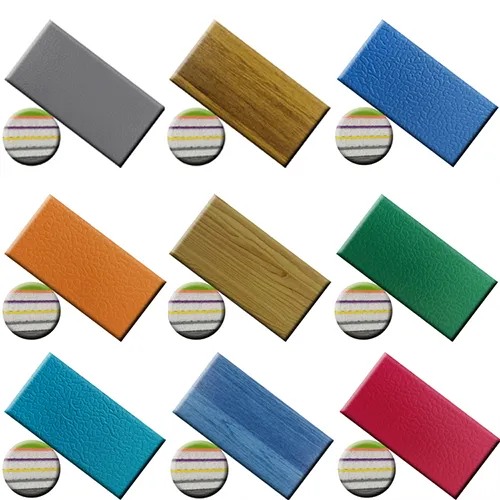
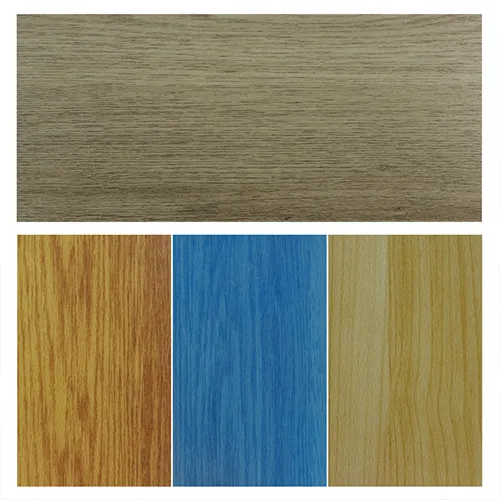
Colorways, thickness, printed game lines, and club logos are standard options. Subfloors: clean, level, and dry (≤2% CM); adhesive trowel notch per supplier TDS; seams hot-welded. After 24–48 hours, you’re rally-ready. I guess the only caveat: keep a basic maintenance log—dust control extends life more than people think.
Citations:
Top Professional Padel Court for Sale Factories Buyer Guide
Guide to Choosing the Best padel court for sale manufacturers
Find Reliable Padel Court for Sale Suppliers for Quality Courts
Yocool Platform Paddle Tennis Factory Quality Equipment Solutions
Find a Reliable Platform Paddle Tennis Supplier for Quality Equipment
Discover Top Platform Paddle Tennis Factories for Superior Equipment
 English
  Arabic
  Dutch
Dutch  French
  German
  Greek
Greek  Hindi
Hindi  Indonesian
  Italian
  Japanese
  Korean
  Latin
Latin  Malay
Malay  Portuguese
  Russian
  Spanish
  Tajik
Tajik  Thai
Thai  Turkish
  Vietnamese