The demand for high-quality indoor sports facilities is steadily rising globally, and padel court indoor solutions are at the forefront of this trend. This growth isn’t just about recreation; it represents a shift towards accessible, year-round fitness options, catering to a diverse range of ages and skill levels. Understanding the nuances of indoor padel court construction, materials, and maintenance is crucial for investors, facility managers, and enthusiasts alike.
The global sports market is projected to reach $600 billion by 2025 (source: Statista), with indoor sports experiencing particularly rapid expansion. padel court indoor is driving significant growth within this sector, particularly in Europe and increasingly in North and South America. This is fuelled by padel’s social nature, ease of learning, and relatively low barrier to entry compared to other racquet sports.
Investing in and operating an indoor padel facility presents a unique opportunity for entrepreneurs and communities. By understanding the key factors impacting the design and functionality of these spaces, stakeholders can maximize their return on investment and provide a premium experience for players. A well-constructed padel court indoor offers durability, safety, and a consistent playing surface, attracting a loyal customer base.
The Rise of Indoor Padel Courts
The popularity of padel has exploded in recent years, and the demand for padel court indoor facilities is a direct consequence of this growth. Indoor courts overcome the limitations of outdoor play imposed by weather conditions, allowing for year-round operation and maximizing revenue potential. This makes them particularly attractive in regions with harsh winters or unpredictable climates.
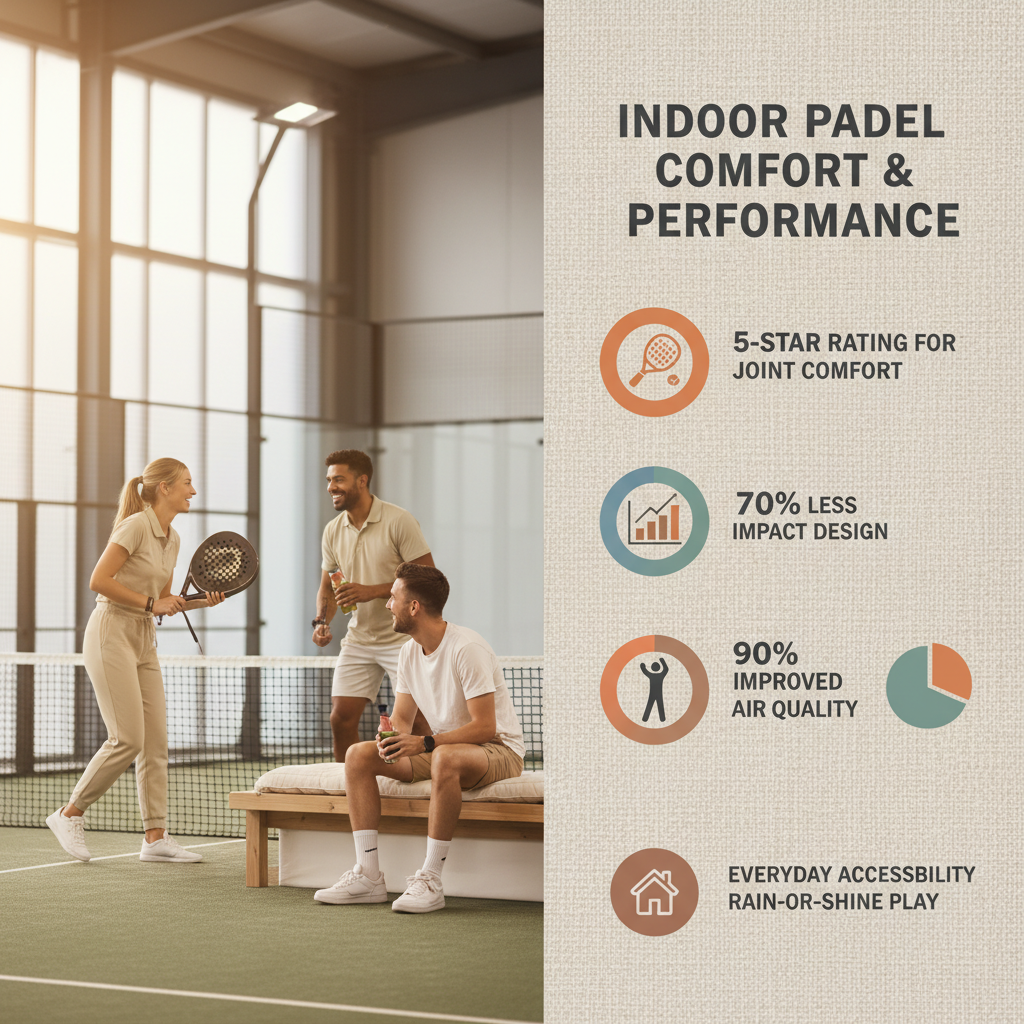
The growth isn't simply driven by convenience. Indoor padel courts offer a more controlled playing environment, with consistent lighting, temperature, and air quality, enhancing the player experience. This translates to increased player satisfaction and repeat business for facility owners. Moreover, indoor facilities can be integrated into existing sports complexes or built as standalone venues, offering flexibility in terms of location and design.
Defining Padel Court Indoor
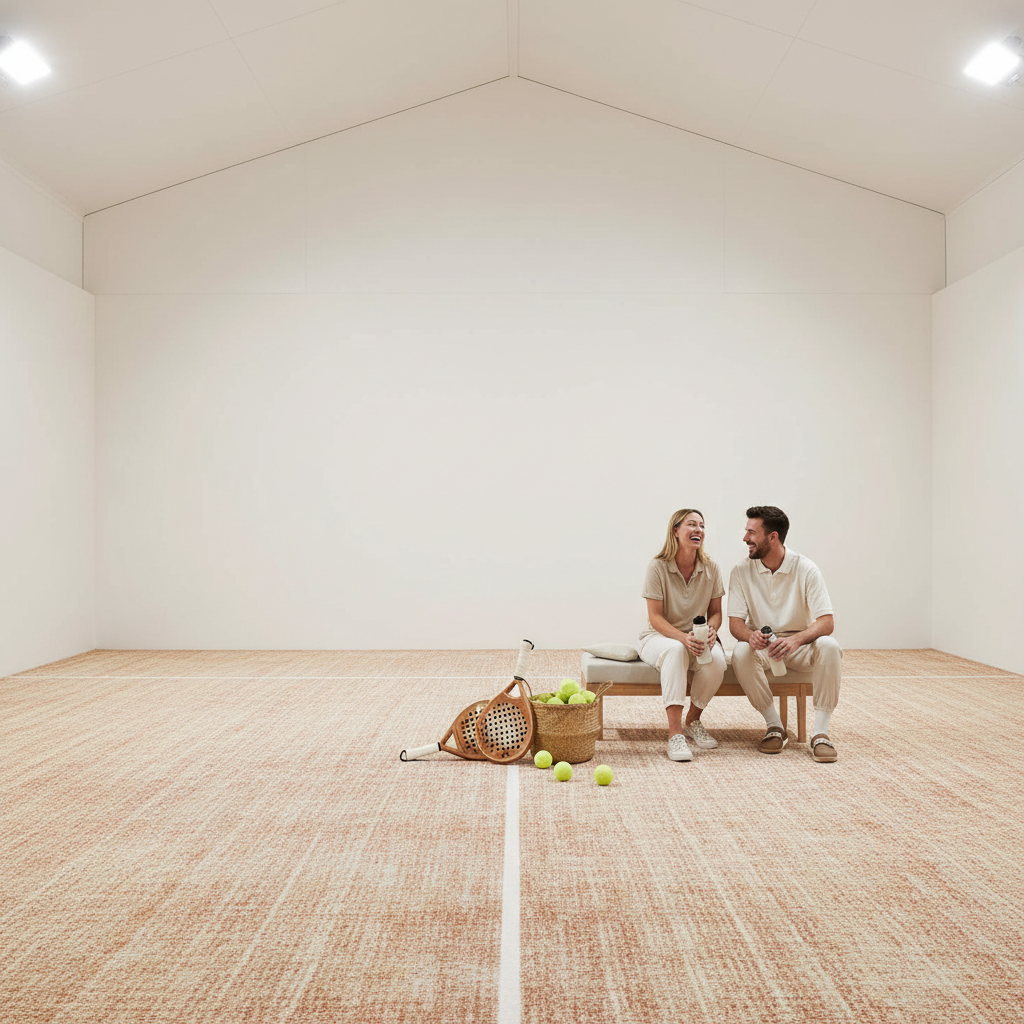
A padel court indoor is an enclosed playing area specifically designed for the sport of padel, a racquet sport that combines elements of tennis, squash, and badminton. It is typically constructed within a building, offering protection from the elements and consistent playing conditions. These courts are significantly smaller than tennis courts and feature walls that are integral to the gameplay, allowing players to bounce the ball off them.
Unlike traditional tennis courts, padel court indoor installations prioritize specific materials for both the court surface and surrounding walls. These materials, such as synthetic turf, tempered glass, and steel frameworks, are chosen for their durability, safety, and ability to enhance the playing experience.
The concept of padel court indoor addresses the need for accessible, year-round sports facilities. It moves beyond simple recreation, creating opportunities for competitive play, social interaction, and physical fitness in a controlled and comfortable environment. This accessibility is key to padel’s growing popularity and makes it a valuable addition to any community.
Key Components of Indoor Padel Court Design
Effective padel court indoor design hinges on several critical components. First, the court surface must provide optimal ball bounce and player traction. Synthetic turf is the most common material, offering excellent playability and durability. Second, the surrounding walls, typically made of tempered glass and steel, must be robust and able to withstand repeated ball impacts.
Lighting is another crucial factor. Uniform, glare-free illumination is essential for clear visibility and accurate play. LED lighting systems are increasingly popular due to their energy efficiency and superior light quality. Finally, proper ventilation and climate control are necessary to maintain a comfortable playing environment and prevent condensation build-up, which can affect the playing surface.
The structural integrity of the court itself is paramount. Steel frameworks are commonly used to support the glass walls and roof, ensuring the court can withstand wind loads and other external forces. Careful attention must be paid to the foundations and anchoring systems to prevent shifting or instability. A well-designed padel court indoor prioritizes safety and longevity.
Durability and Material Science in Indoor Padel Courts
The longevity of a padel court indoor is heavily influenced by the materials used in its construction. Tempered glass, for example, offers exceptional strength and impact resistance compared to standard glass, minimizing the risk of breakage from errant balls. The quality of the steel framework is equally important, with galvanized steel offering superior corrosion resistance.
Synthetic turf selection is critical. Different turf types vary in fiber height, density, and cushioning. Higher-quality turfs provide better ball bounce, improved traction, and greater durability, reducing the need for frequent replacements. Furthermore, the sub-base beneath the turf plays a significant role in shock absorption and drainage.
Durability Ratings of Padel Court Indoor Materials
Global Applications and Market Trends
Padel court indoor facilities are rapidly gaining traction globally. Europe, particularly Spain and Sweden, leads the way in terms of adoption, with a high density of indoor padel clubs. However, the sport is experiencing explosive growth in North and South America, driven by endorsements from professional athletes and increasing media coverage.
The market is diversified, encompassing commercial clubs, leisure centers, private residences, and even educational institutions. Hotels and resorts are increasingly incorporating indoor padel courts as an amenity to attract guests. In post-disaster relief operations, temporary indoor padel facilities can provide a much-needed recreational outlet for affected communities, promoting mental well-being.
Advantages and Long-Term Value Proposition
Investing in a padel court indoor offers a strong return on investment due to its relatively low operational costs and high earning potential. The sport’s accessibility attracts a broad demographic, from casual players to competitive athletes. Indoor courts eliminate weather-related downtime, maximizing revenue generation.
Beyond financial benefits, indoor padel courts contribute to community well-being by providing a safe and accessible venue for physical activity and social interaction. The sport promotes a healthy lifestyle and fosters a sense of community. A well-maintained padel court indoor enhances a facility’s prestige and attracts a loyal customer base.
The long-term value lies in the sustainability of the investment. Padel’s continued growth trajectory suggests a strong demand for indoor facilities for years to come. Choosing durable, high-quality materials minimizes maintenance costs and extends the lifespan of the court, maximizing the return on investment.
Future Innovations in Padel Court Indoor Technology
The future of padel court indoor technology is focused on enhancing the player experience and improving court sustainability. Smart court systems incorporating sensors and data analytics are emerging, providing real-time performance feedback to players and optimizing court usage.
Innovations in lighting technology, such as dynamic LED systems that adjust brightness based on ambient light levels, are reducing energy consumption. Researchers are exploring new materials for court surfaces and walls, aiming for greater durability, improved playability, and reduced environmental impact.
The integration of virtual reality (VR) and augmented reality (AR) technologies could revolutionize padel training and gameplay, offering immersive and interactive experiences. These advancements will further solidify the position of padel court indoor as a leading sports facility.
Core Challenges and Solutions in Indoor Padel Court Management
| Challenge |
Impact on Facility |
Proposed Solution |
Implementation Cost (Estimate) |
| High Initial Investment |
May deter potential investors. |
Explore financing options, phased construction, and modular court designs. |
$5,000 - $15,000 |
| Surface Maintenance |
Reduced playability and potential for player injury. |
Implement a regular cleaning and maintenance schedule, use high-quality turf, and address wear and tear promptly. |
$1,000 - $3,000/year |
| Ventilation and Humidity Control |
Condensation, slippery surfaces, and mold growth. |
Install a robust ventilation system with dehumidification capabilities. |
$8,000 - $20,000 |
| Glass Wall Damage |
Safety hazard and costly repairs. |
Use tempered glass of appropriate thickness, provide protective padding in high-impact areas, and enforce court rules. |
$2,000 - $5,000 per panel |
| Noise Levels |
Disturbance to neighboring areas. |
Install soundproofing materials on walls and ceilings. |
$3,000 - $10,000 |
| Lighting Efficiency |
High energy consumption and operating costs. |
Upgrade to energy-efficient LED lighting with smart controls. |
$4,000 - $8,000 |
FAQS
With proper maintenance, an indoor padel court can last between 10-15 years. The lifespan is largely dependent on the quality of materials used, frequency of play, and the effectiveness of the maintenance program. Regular inspections and prompt repairs are crucial for maximizing the court’s longevity. Utilizing high-quality synthetic turf and tempered glass significantly contributes to extending its operational life. padel court indoor materials are built to withstand consistent use.
The cost to build an indoor padel court varies significantly depending on the size of the facility, materials used, and location. A basic, single-court facility can range from $60,000 to $120,000, while a larger, multi-court complex can exceed $300,000. Key cost factors include site preparation, court construction, lighting, ventilation, and flooring. padel court indoor construction requires careful budgeting for long-term value.
Regular maintenance includes daily sweeping or vacuuming of the turf to remove debris, periodic deep cleaning of the turf with appropriate cleaning agents, and inspection of the glass walls and steel framework for any damage. Regularly check the tension of the turf and address any loose areas. Ensure proper ventilation to prevent moisture buildup and mold growth. A consistent schedule ensures a safe and enjoyable playing surface on a padel court indoor.
The minimum recommended ceiling height for an indoor padel court is 7 meters (approximately 23 feet). However, 8-9 meters (26-30 feet) is preferable to allow for comfortable play and prevent the ball from hitting the ceiling during serves and volleys. Sufficient height is crucial for a fair and enjoyable gaming experience. Proper planning is essential for padel court indoor ceiling height.
Yes, planning permission is generally required, particularly for new constructions or significant alterations to existing buildings. Requirements vary depending on local regulations and zoning laws. It’s crucial to consult with local authorities before commencing any construction work to ensure compliance. Familiarize yourself with building codes to ensure a smooth building process for your padel court indoor project.
LED lighting is the preferred choice for indoor padel courts due to its energy efficiency, long lifespan, and excellent light quality. Look for LED fixtures with a high CRI (Color Rendering Index) to ensure accurate color perception and minimize glare. Uniform illumination across the entire court is essential for optimal visibility. padel court indoor lighting should be optimized for player comfort.
Conclusion
Investing in a padel court indoor represents a strategic opportunity in the rapidly growing world of sports and recreation. The demand for year-round, accessible sports facilities continues to rise, and padel’s unique blend of athleticism and social interaction positions it as a prime contender for continued success. By prioritizing quality materials, thoughtful design, and proactive maintenance, stakeholders can maximize their return on investment and create a thriving community hub.
Looking ahead, innovation in materials, lighting, and court technology will further enhance the player experience and sustainability of indoor padel facilities. Embracing these advancements will be crucial for staying competitive in the market. To learn more about building your own padel court indoor and explore our comprehensive solutions, visit our website today!


 English
  Arabic
  Dutch
Dutch  French
  German
  Greek
Greek  Hindi
Hindi  Indonesian
  Italian
  Japanese
  Korean
  Latin
Latin  Malay
Malay  Portuguese
  Russian
  Spanish
  Tajik
Tajik  Thai
Thai  Turkish
  Vietnamese