The world of sports is constantly evolving, and padel tennis is a prime example of a rapidly growing trend. Within this exciting sport, blue padel courts are gaining immense popularity, transforming the playing experience with their unique aesthetic and performance characteristics. This surge isn’t just a fleeting fad; it reflects a broader movement toward visually appealing, high-performance sporting surfaces.
Globally, padel is experiencing exponential growth, particularly in Europe and Latin America. The International Padel Federation (IPF) estimates over 20 million players worldwide, with numbers continuing to climb. blue padel courts are becoming a defining feature of this expansion, attracting both seasoned players and newcomers alike. This growth has created a demand for innovative court solutions that balance aesthetics, durability, and playability.
Understanding the nuances of blue padel courts—their construction, materials, and benefits—is crucial for players, court owners, and anyone involved in the padel industry. Investing in quality courts isn’t just about creating a space to play; it’s about fostering a thriving padel community and ensuring a superior sporting experience.
Defining Characteristics of blue padel courts
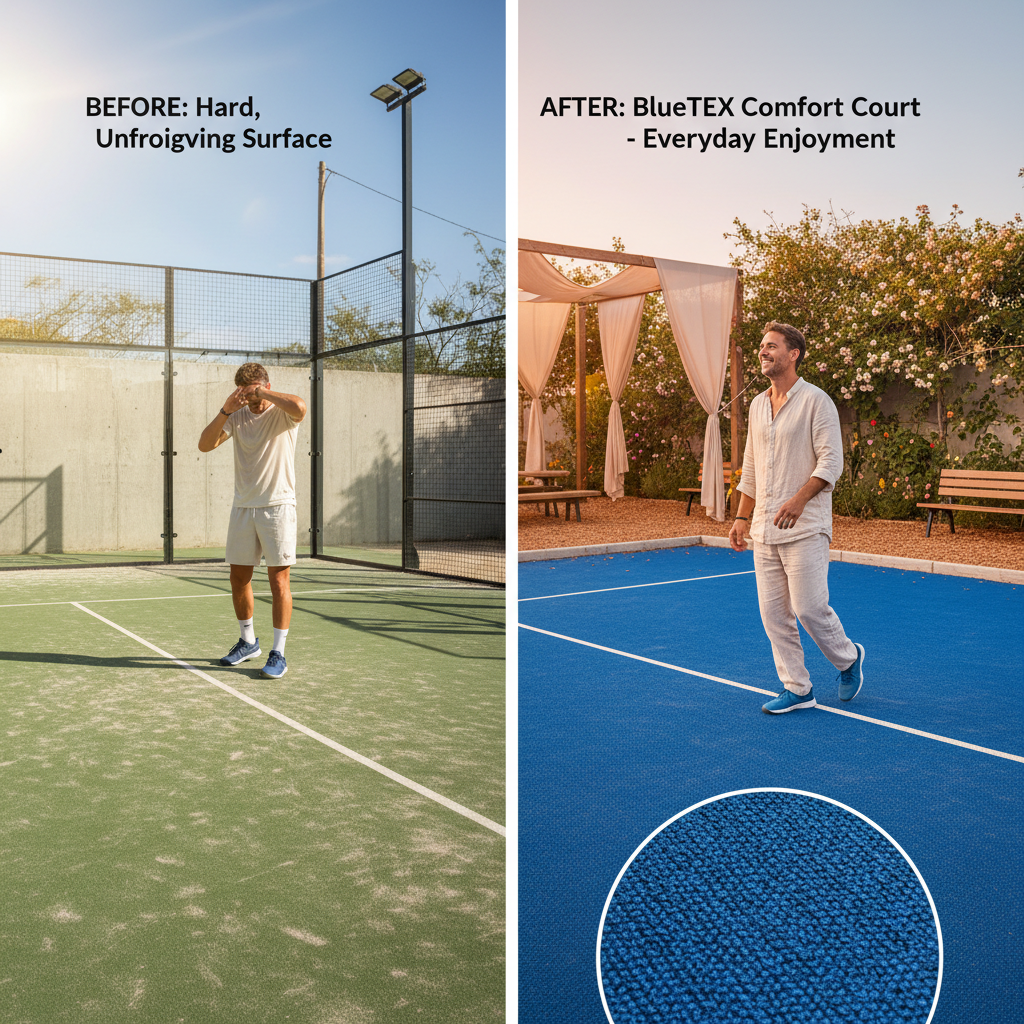
blue padel courts distinguish themselves from traditional padel surfaces primarily through their distinctive color and often, enhanced performance properties. The blue hue isn't merely aesthetic; it's frequently achieved through specialized acrylic coating systems designed for optimal ball visibility and player comfort. This color also contributes to a more visually appealing and modern court aesthetic, increasing its attractiveness to players.
Beyond aesthetics, the defining characteristic of these courts is the meticulous layering of materials. Typically, this involves a base layer for cushioning, followed by multiple coats of acrylic resin infused with silica sand to provide texture and grip. The final topcoat, responsible for the vibrant blue color, also adds to the court’s durability and resistance to UV damage and wear and tear.
The Science Behind the Color: Why Blue?
The preference for blue in padel court coloring is rooted in both psychological and practical considerations. Studies show that blue is perceived as a calming and focused color, potentially reducing player stress and enhancing concentration during matches. This psychological aspect is increasingly recognized in sports surface design.
More importantly, blue offers superior ball visibility compared to traditional green or red surfaces. The contrast between the blue court and the yellow padel ball makes it easier for players to track the ball’s trajectory, leading to improved reaction times and more accurate shots. This is particularly beneficial in challenging lighting conditions or for players with visual impairments.
Furthermore, the specific shade of blue used often incorporates UV-resistant pigments, mitigating the fading effect of prolonged sun exposure, ensuring the vibrant color remains consistent over time, and protecting the court's overall aesthetic appeal. blue padel courts truly blend performance with visual appeal.
Materials and Construction of blue padel courts
The foundation of a durable and high-performing blue padel court lies in the quality of its materials. A typical construction begins with a solid base, often concrete or asphalt, which must be perfectly level and structurally sound. This base is then prepared with a cushioning layer, usually made of rubber or synthetic materials, to absorb impact and provide player comfort.
The core of the playing surface consists of multiple layers of acrylic resin, mixed with finely graded silica sand. Each layer serves a specific purpose – building up the texture, enhancing grip, and providing resistance to abrasion. The final layer incorporates the blue pigment, using high-quality, UV-stable compounds to maintain color vibrancy. The exact composition of these acrylic layers can vary depending on the desired playing speed and overall court characteristics.
The finishing touches often include line marking with specialized paint, ensuring clear visibility for gameplay. Additionally, many blue padel courts feature a textured finish to enhance grip and reduce the risk of slips and falls, enhancing player safety and performance.
Performance Metrics of blue padel courts
Evaluating the performance of blue padel courts involves assessing several key metrics, including ball bounce consistency, ball speed, slip resistance, and durability. Ball bounce consistency is crucial for fair play, and quality courts should provide a predictable bounce height within acceptable tolerances.
Ball speed is influenced by the court's surface texture and the composition of the acrylic layers. Courts designed for faster play have smoother surfaces, while those favoring more tactical gameplay employ coarser textures. Slip resistance is paramount for player safety, measured using standardized friction tests to ensure adequate grip.
Performance Ratings of blue padel courts
Global Adoption and Regional Variations of blue padel courts
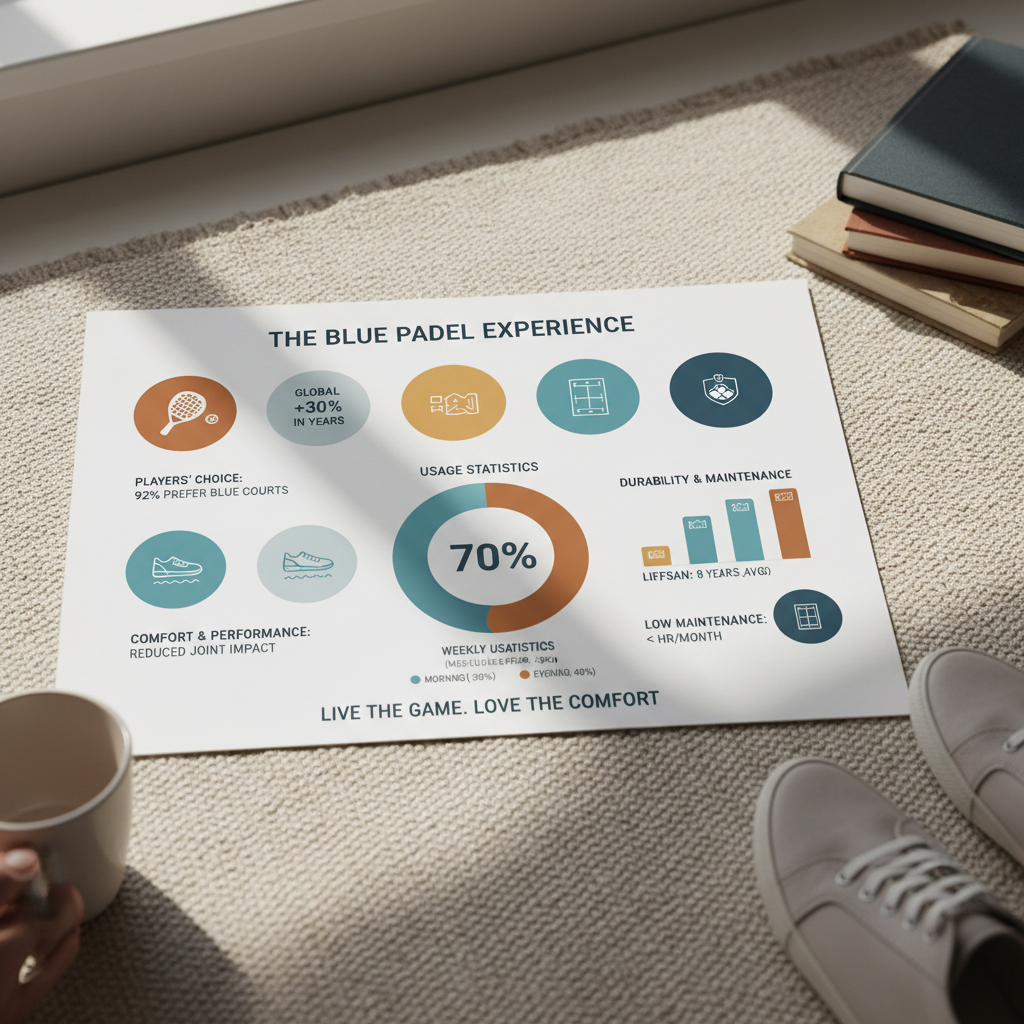
The adoption of blue padel courts is experiencing rapid growth globally, with distinct regional trends. Europe, particularly Spain, Sweden, and France, leads the way in terms of total padel courts, and blue courts are increasingly preferred for their aesthetic appeal and enhanced visibility.
Latin America, especially Argentina, the birthplace of padel, is witnessing a similar surge in popularity. Here, blue courts are often integrated into larger sports complexes, catering to a growing base of enthusiasts. In North America, the sport is gaining traction, and blue courts are emerging as a symbol of the modern, professional padel facilities being developed.
Long-Term Benefits and Cost Analysis of blue padel courts
Investing in blue padel courts offers a multitude of long-term benefits. Beyond the enhanced player experience and aesthetic appeal, these courts require relatively low maintenance, reducing operational costs over their lifespan. The durable acrylic surface resists cracking and chipping, minimizing the need for frequent repairs.
From a cost perspective, the initial investment may be slightly higher than traditional courts due to the specialized materials and application process. However, the extended lifespan, reduced maintenance requirements, and increased player attraction often result in a lower total cost of ownership over the long run.
Furthermore, the enhanced visibility and playability can contribute to increased court utilization, generating higher revenue for court owners and fostering a thriving padel community.
Future Trends and Innovations in blue padel courts
The future of blue padel courts is poised for continued innovation. Researchers are exploring new acrylic resin formulations with enhanced durability and UV resistance, extending the lifespan of courts even further.
Smart court technologies, integrating sensors to track player movements and analyze gameplay data, are also emerging. These technologies can provide valuable insights for training and performance improvement.
Sustainability is becoming a key focus, with manufacturers developing eco-friendly acrylic resins and exploring recycled materials for court construction, aligning with the growing demand for environmentally responsible sporting surfaces.
Summary of Future Trends in blue padel courts
| Trend Category |
Specific Innovation |
Impact on blue padel courts |
Adoption Timeline |
| Materials Science |
Enhanced Acrylic Resin |
Increased Durability, UV Resistance |
1-3 Years |
| Smart Technology |
Integrated Sensor Networks |
Gameplay Data Analysis, Training Tools |
3-5 Years |
| Sustainability |
Recycled Acrylic Components |
Reduced Environmental Impact |
2-4 Years |
| Surface Texture |
Micro-Textured Coatings |
Optimized Ball Control, Enhanced Grip |
1-2 Years |
| Lighting Integration |
Embedded LED Lighting |
Improved Visibility, Reduced Energy Consumption |
4-6 Years |
| Modular Construction |
Pre-Fabricated Court Panels |
Faster Installation, Reduced Construction Costs |
2-3 Years |
FAQS
Blue padel courts offer superior ball visibility, enhancing player reaction time and accuracy. The color is also associated with calmness and focus, potentially improving performance. Additionally, quality blue courts often utilize UV-resistant pigments, maintaining their vibrant color for longer periods. This combination of performance and aesthetics makes them a compelling choice for players and court owners alike.
The construction process involves similar foundational steps – a solid base, cushioning layer, and acrylic coatings. However, blue padel courts typically require specialized acrylic resins infused with high-quality blue pigments. These pigments need to be durable and UV-stable to prevent fading. The application of multiple layers is crucial to achieve the desired texture, grip, and color intensity. Professional installation is highly recommended for optimal results.
A properly constructed and maintained blue padel court can last between 8-12 years, sometimes longer with diligent care. Regular cleaning, minor repairs of cracks or chips, and occasional recoating can significantly extend its lifespan. The quality of the initial materials and the expertise of the installer play a crucial role in determining the court’s longevity. Preventative maintenance is key to maximizing the investment.
Maintenance generally involves regular sweeping to remove debris, occasional washing with mild detergent and water, and prompt repair of any cracks or damage. It’s also recommended to periodically inspect the surface for wear and tear and consider a recoating every few years to restore the color and texture. Avoid using harsh chemicals or abrasive cleaners, as they can damage the acrylic surface.
The initial installation cost of a blue padel court can be slightly higher due to the specialized materials and pigments required. However, the longer lifespan, reduced maintenance needs, and potential for increased court utilization often result in a lower total cost of ownership over time. Consider the long-term benefits when evaluating the overall investment.
Choose a reputable installer with experience in padel court construction. Request references and inspect previous projects. Ensure they use high-quality materials and follow industry best practices. Obtain a detailed quote outlining all costs and specifications. Don’t hesitate to ask questions and clarify any concerns before committing to the project. Proper installation is critical for performance and durability.
Conclusion
In conclusion, blue padel courts represent a significant advancement in the world of padel tennis. Their blend of aesthetic appeal, enhanced performance, and durability make them an increasingly popular choice for players and court owners alike. From improved ball visibility to reduced maintenance costs, the benefits are substantial and far-reaching.
Looking ahead, continued innovation in materials science, smart technologies, and sustainable construction practices will further elevate the quality and longevity of these courts. Embracing these advancements will not only enhance the playing experience but also contribute to the growth and sustainability of the padel community. Visit our website at www.yocoolcn.com to learn more about our blue padel court solutions and how we can help you create a world-class padel facility.


 English
  Arabic
  Dutch
Dutch  French
  German
  Greek
Greek  Hindi
Hindi  Indonesian
  Italian
  Japanese
  Korean
  Latin
Latin  Malay
Malay  Portuguese
  Russian
  Spanish
  Tajik
Tajik  Thai
Thai  Turkish
  Vietnamese