The advent of the all glass squash court represents a significant leap forward in the sport's accessibility and viewing experience. Once confined to traditionally constructed, often dimly lit spaces, squash is now showcased in visually stunning, fully transparent courts. This evolution isn't merely aesthetic; it enhances player safety, provides a dramatically improved spectator experience, and has opened up new opportunities for broadcasting and promotional events worldwide. The increasing demand for these courts signals a global embrace of a modern approach to a classic game.
Globally, the demand for high-quality sports facilities is on the rise, driven by increased participation in recreational activities and a growing emphasis on healthy lifestyles. According to the UN, over half the world's population lives in urban areas, creating a need for versatile and space-efficient sports solutions. The all glass squash court directly addresses this need, offering a compact, adaptable design suitable for a variety of locations. Furthermore, the professionalization of squash, with increasing media coverage and sponsorship, has fueled the demand for facilities that meet broadcast standards, making the all glass court an essential component.
The all glass squash court isn't simply about constructing a playing space; it’s about creating a dynamic environment for both players and spectators. This innovative approach enhances the sport's visual appeal and aligns with the evolving demands of modern sports entertainment. As the sport grows in popularity, understanding the nuances of all glass court construction, maintenance, and benefits becomes increasingly important for clubs, organizations, and players alike.
The Evolution and Global Impact of all glass squash court
The transition from traditional, four-walled squash courts to the modern all glass squash court marked a pivotal moment in the sport's history. Initially adopted for televised professional events to enhance the viewing experience, the concept quickly gained traction due to its superior visibility and dramatic aesthetic. This move wasn’t solely about aesthetics; the transparency of the glass significantly improved player safety by allowing spectators and officials a clear view of the entire playing area.
Today, the all glass squash court is a globally recognized standard for professional tournaments and is increasingly popular in private clubs and training facilities. The demand for these courts has spurred advancements in glass technology, structural engineering, and court construction techniques. The sport’s growth in regions like Asia, the Middle East, and North America has further accelerated the adoption of this modern court design, solidifying its status as a cornerstone of contemporary squash.
Defining the all glass squash court
An all glass squash court, as the name suggests, utilizes glass panels for all four walls, the ceiling, and often the floor, creating a completely transparent playing enclosure. This differs significantly from traditional courts built with brick, wood, or concrete walls. The glass used is typically tempered safety glass, specifically engineered to withstand the high-velocity impacts of the squash ball and player movement. This construction offers unobstructed views for spectators and facilitates optimal broadcasting quality.
This design is directly connected to modern industry demands for enhanced spectator experiences and high-definition broadcasting. Sporting events are now increasingly viewed as entertainment products, and visual appeal is paramount. The all glass court delivers on this front, providing a visually dynamic and engaging platform for the sport. It also aligns with a broader trend towards transparent and open designs in contemporary architecture and sports facilities.
Beyond aesthetics, the all glass squash court supports a more controlled playing environment. The precision of glass panel construction and its uniform surface contribute to consistent ball bounce and predictability, benefiting players at all levels. This standardization is crucial in competitive play and supports the integrity of the sport.
Core Components of all glass squash court Construction
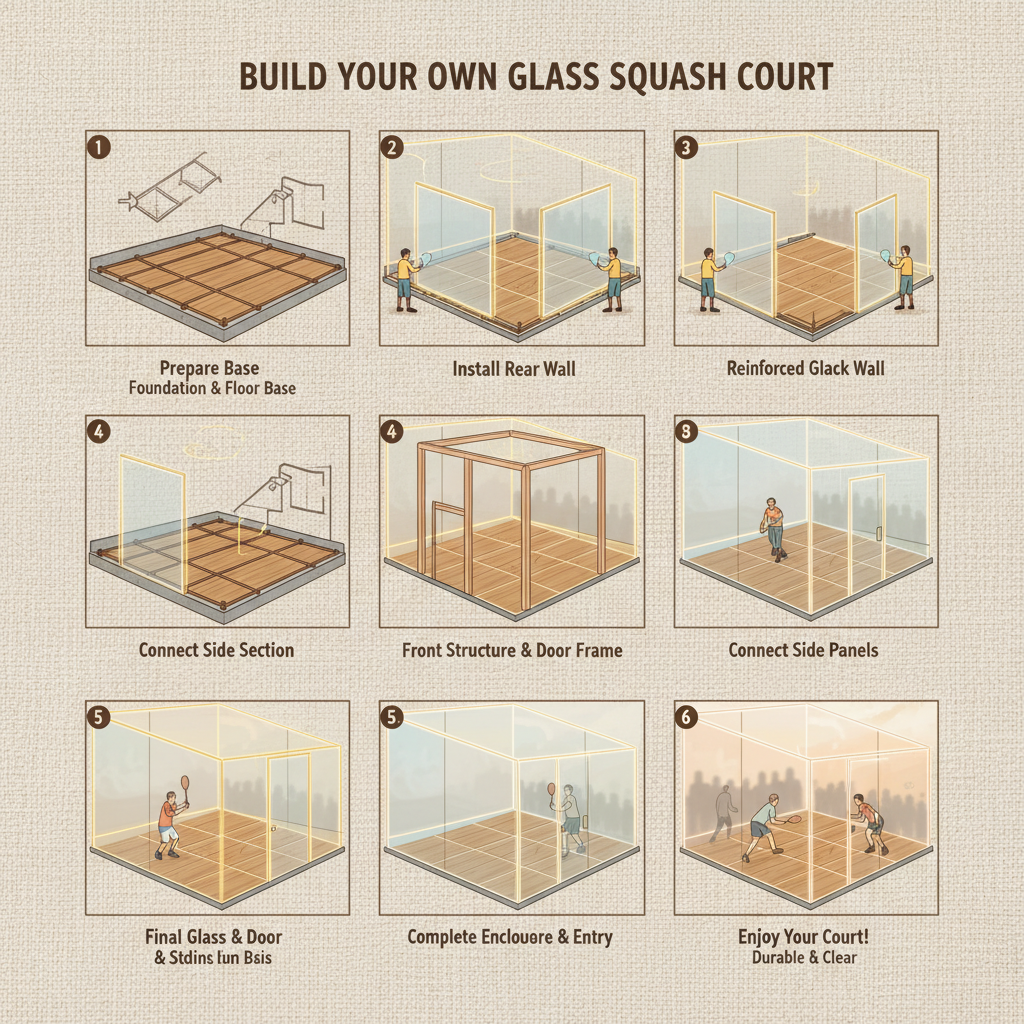
The construction of an all glass squash court involves several key components, starting with the glass itself. Typically, 12mm or 19mm tempered safety glass is used, adhering to stringent safety standards. The supporting framework, usually constructed from steel, is engineered to withstand significant loads and provide structural stability. Precise installation is critical, ensuring that the glass panels are securely anchored and properly aligned.
The floor of an all glass squash court is often constructed using a sprung wood system to provide cushioning and reduce player fatigue. A durable, non-slip surface is then applied to the wood, offering optimal grip and preventing injuries. Lighting is another vital component, requiring a carefully designed system to eliminate glare and provide even illumination across the court. Finally, ventilation systems are essential to manage humidity and temperature, ensuring a comfortable playing environment.
The accuracy and precision of the supporting structure is paramount. Even minor discrepancies can affect the bounce of the ball and compromise the fairness of the game. Consequently, specialized engineers and experienced installers are required to ensure that every aspect of the court construction meets the highest standards. Regular inspection and maintenance are also essential to preserve the court’s integrity and safety.
Performance Metrics and Quality Standards for all glass squash court
Evaluating the performance of an all glass squash court requires assessing several key metrics. Ball bounce consistency is arguably the most important, measured by analyzing the rebound height and angle of the ball after impacting different sections of the glass and floor. Structural integrity is also crucial, with stress tests conducted to ensure the court can withstand the forces generated during play.
Quality Assessment of all glass squash court Construction Methods
Global Applications of all glass squash court
The all glass squash court has found widespread application in a variety of settings around the globe. Professional tournaments, such as those sanctioned by the Professional Squash Association (PSA), routinely utilize these courts to maximize spectator engagement and broadcasting quality. Major events like the World Squash Championships consistently feature all glass courts, showcasing the sport to a global audience.
Beyond professional arenas, all glass courts are increasingly popular in private squash clubs and high-end fitness centers. These facilities recognize the aesthetic and functional benefits of the design, attracting players and enhancing their overall experience. The courts are also becoming a prominent feature in universities and training academies, providing athletes with a state-of-the-art environment for honing their skills.
Advantages and Long-Term Value of all glass squash court
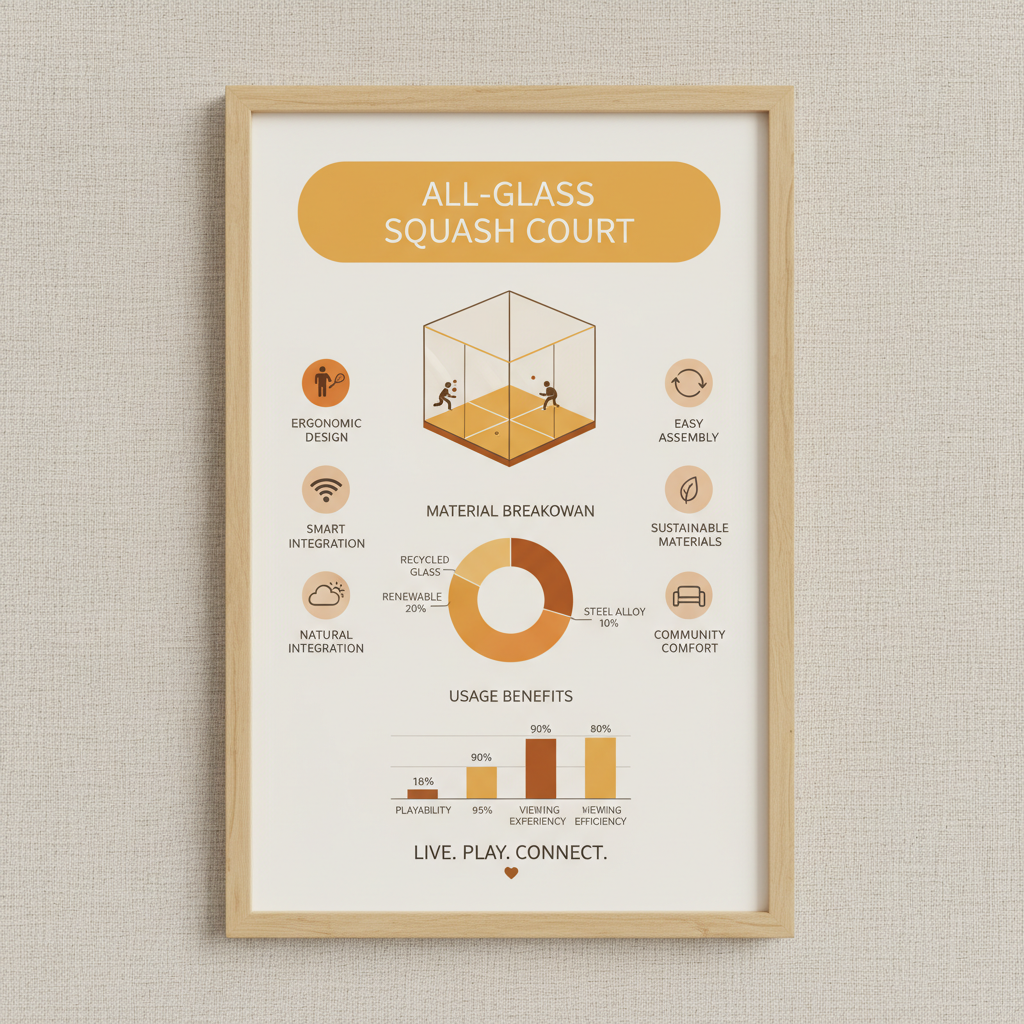
The advantages of investing in an all glass squash court are multifaceted. Cost-effectiveness stems from reduced maintenance compared to traditional courts, as glass requires less frequent repair and refurbishment. Sustainability is enhanced through the use of durable, recyclable materials and reduced energy consumption due to improved lighting efficiency. Social impact is positive, as the courts attract more players and promote the sport’s growth.
The long-term value lies in increased facility appeal and revenue potential. All glass courts attract a broader range of players, from casual enthusiasts to competitive athletes, boosting membership and court booking rates. The enhanced viewing experience also creates opportunities for hosting tournaments and events, generating additional income and enhancing the facility’s reputation. The courts ultimately contribute to a more vibrant and thriving squash community.
Future Innovations and Sustainability in all glass squash court Design
The future of all glass squash court design is poised for significant innovation. Emerging technologies, such as dynamic glass that adjusts transparency based on lighting conditions, could further enhance the playing experience and reduce energy consumption. The integration of sensor technology to monitor player performance and court usage is also a promising area of development.
Sustainability is increasingly driving design choices. Manufacturers are exploring the use of recycled glass and eco-friendly construction materials to minimize the environmental impact of court construction. Furthermore, the incorporation of renewable energy sources to power lighting and ventilation systems is gaining traction, aligning with the broader trend towards green building practices.
Digital integration will also play a key role. Interactive displays embedded within the glass panels could provide real-time game statistics, replays, and other engaging content, further enhancing the spectator experience and blurring the lines between physical and digital sports entertainment.
Table Summarizing Key Aspects of all glass squash court Sustainability
| Material Source |
Energy Efficiency |
Waste Management |
Lifecycle Assessment |
| Recycled Glass Content |
LED Lighting Usage |
Panel Recyclability |
Estimated Court Lifespan (Years) |
| Percentage of Post-Consumer Glass |
Power Consumption (Watts) |
Repurposing Options for Old Panels |
Carbon Footprint of Construction |
| Sourcing Location of Glass |
Energy Star Certification |
Disposal Regulations Compliance |
Cost of Deconstruction and Recycling |
| Supplier Environmental Certifications |
Smart Lighting Control Systems |
Material Recovery Rate |
Water Usage During Construction |
| Carbon Offset Programs |
Renewable Energy Integration |
Packaging Material Sustainability |
Transportation Emissions |
| Use of Low-VOC Adhesives |
Ventilation System Efficiency |
End-of-Life Product Responsibility |
Potential for Reuse |
FAQS
All glass squash courts prioritize safety through the use of tempered safety glass, designed to shatter into small, relatively harmless pieces rather than sharp shards. The glass is typically 12mm or 19mm thick, exceeding safety standards for impact resistance. The entire structure is engineered to withstand the high velocities of the ball and player movement, and regular inspections are crucial to identify and address any potential weaknesses. Proper installation and adherence to manufacturer guidelines are also paramount for ensuring long-term safety.
While the initial investment for an all glass squash court is typically higher than a traditional court, the long-term costs are often comparable, and sometimes lower. Traditional courts require more frequent maintenance and repair due to the degradation of materials like brick or wood. All glass courts, with their durable glass panels, require less upkeep. Furthermore, the increased revenue potential from enhanced visibility and attraction for players can offset the initial higher cost.
Regular maintenance for an all glass squash court focuses on cleaning the glass panels to maintain optimal visibility and performing periodic inspections of the supporting structure. The glass should be cleaned with non-abrasive cleaners to avoid scratching or damaging the surface. The steel framework requires occasional inspection for corrosion and should be treated as necessary. The floor, if sprung wood, will also require routine maintenance like any wooden floor.
All glass squash courts can be adapted to suit various climates, but certain considerations are necessary. In hotter climates, proper ventilation and climate control systems are essential to manage humidity and temperature. In colder climates, insulation may be required to prevent condensation and maintain a comfortable playing environment. The structural design must also account for potential temperature fluctuations and ensure the glass remains stable under varying conditions.
With proper maintenance and care, an all glass squash court can have a lifespan of 25 years or more. The durability of the tempered safety glass and the robust steel framework contribute to its longevity. Regular inspections and timely repairs are crucial to maximize the court's lifespan. Advancements in glass technology and construction techniques are also extending the operational life of these courts.
Yes, all glass squash courts can be customized to meet specific space requirements and adhere to official squash court dimensions. Standard court sizes are defined by governing bodies like the World Squash Federation, but variations are possible depending on the available space and intended use. Customization options include adjustments to the court’s length, width, and height, as well as the inclusion of specific branding or design elements.
Conclusion
In conclusion, the all glass squash court represents a transformative advancement in the sport, offering enhanced safety, improved spectator experiences, and greater versatility. Its adoption is driven by the growing demand for high-quality sports facilities and the increasing emphasis on visual appeal in modern sports entertainment. The benefits extend beyond aesthetics, encompassing sustainability, cost-effectiveness, and long-term value.
Looking ahead, innovation in materials, technology, and design will continue to shape the future of all glass squash courts. The integration of smart technologies and sustainable practices will further enhance their appeal and contribute to a more dynamic and environmentally responsible sports landscape. We encourage those seeking to elevate their squash facilities to explore the possibilities offered by this modern, high-performance court system.



 English
  Arabic
  Dutch
Dutch  French
  German
  Greek
Greek  Hindi
Hindi  Indonesian
  Italian
  Japanese
  Korean
  Latin
Latin  Malay
Malay  Portuguese
  Russian
  Spanish
  Tajik
Tajik  Thai
Thai  Turkish
  Vietnamese