The rise of padel, a sport blending tennis and squash, has created a global demand for accessible playing facilities. A single padel court presents a viable solution, offering a cost-effective entry point for individuals, clubs, and communities seeking to participate in this rapidly growing sport. Its compact footprint and relatively simple installation requirements distinguish it as a uniquely adaptable option.
Globally, padel is experiencing exponential growth, particularly in Europe and South America, with increasing interest in North America and Asia. This surge in popularity necessitates innovative solutions to meet the demand for playing surfaces. A single padel court provides a focused, scalable approach, allowing for staged investment and expansion as interest grows. This modularity is crucial for both recreational and professional development.
Understanding the benefits of a single padel court – its affordability, ease of installation, and adaptability – is paramount for stakeholders seeking to capitalize on the sport’s expanding market. It’s not just about providing a place to play; it’s about fostering community, promoting healthy lifestyles, and creating opportunities for athletic development, all accessible through this single, efficient unit.
The Core Principles of a single padel court
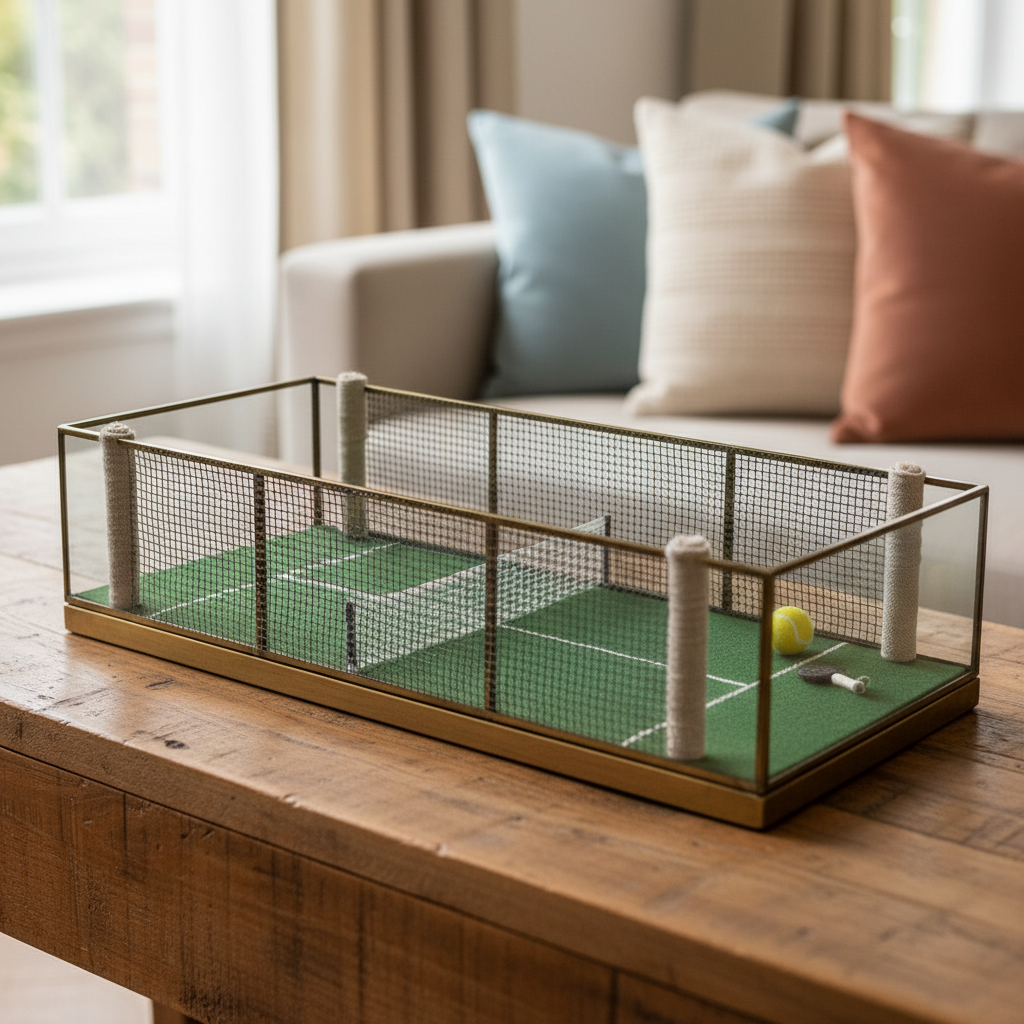
At its heart, a single padel court is defined by its enclosed glass and metallic mesh walls, allowing players to utilize the boundaries as part of the game. This unique feature distinguishes it from traditional tennis and promotes dynamic rallies. The court’s dimensions are smaller than a tennis court, making it more accessible in terms of space requirements.
The construction typically involves a base layer of concrete or asphalt, followed by a specialized synthetic turf surface designed for optimal grip and ball bounce. The surrounding glass panels provide both visibility and safety, while the metallic mesh prevents balls from leaving the playing area, enhancing the overall experience and maintaining continuous play.
The Global Impact of single padel court
Padel’s international growth is undeniable. Spain boasts the highest concentration of padel courts per capita, but the sport’s popularity is rapidly spreading across Europe, with countries like Sweden, France, and Italy seeing significant increases in court installations. South America, particularly Argentina, is also a key market, and the sport is gaining traction in North America and parts of Asia.
This global expansion is driven by several factors, including its relatively low barrier to entry – it’s easier to learn than tennis – its social nature, and the comparatively lower cost of building and maintaining a single padel court compared to a tennis court. Consequently, demand is outpacing supply in many regions, creating significant opportunities for investment and development.
The World Padel Tour (WPT) has played a pivotal role in raising the sport’s profile, attracting sponsorships and professional players, and driving global viewership. This increased exposure further fuels the demand for accessible playing facilities, with a single padel court often serving as the foundational step for community involvement.
Understanding the Construction of a single padel court
The construction of a single padel court typically begins with site preparation, ensuring a level and stable base. A concrete foundation is often laid, followed by a layer of compacted gravel or asphalt to provide a solid surface. Drainage is crucial to prevent waterlogging and maintain the court’s usability.
The playing surface is usually composed of a synthetic turf specifically designed for padel, offering a balance between grip, ball bounce, and durability. The surrounding structure consists of tempered glass panels supported by galvanized steel frames. The walls are often covered with a protective film to enhance safety and prevent shattering.
Installation can range from prefabricated kits that offer a faster setup to fully customized constructions. Factors influencing cost and construction time include site access, ground conditions, and the chosen materials. A well-constructed single padel court should be built to withstand regular use and varying weather conditions.
Key Performance Indicators for single padel court
Assessing the performance of a single padel court involves evaluating several key indicators. These metrics help determine the court's suitability for various playing levels and its overall durability. Understanding these indicators is vital for both court owners and players.
One crucial factor is the ball bounce consistency. A quality court will provide a predictable bounce, enabling players to execute shots with precision. Grip level is equally important, ensuring players have adequate traction to move safely and effectively.
Performance Metrics of a single padel court
Global Adoption and Use Cases of single padel court
The versatility of a single padel court makes it suitable for a wide range of applications. From private residences and sports clubs to community centers and schools, its adaptable footprint allows for integration into diverse environments. In some regions, courts are even being installed on rooftops or in repurposed industrial spaces.
In post-disaster relief operations, a single padel court can serve as a recreational outlet for affected communities, promoting mental and physical well-being. In remote industrial zones, it can provide a much-needed leisure activity for workers. Schools are increasingly incorporating padel into their physical education programs, offering students a fun and engaging sport.
The Long-Term Advantages of single padel court
Investing in a single padel court offers substantial long-term advantages. Cost-effectively, it represents a lower initial investment compared to building multiple courts, making it accessible to a broader range of budgets. Sustainability is enhanced through the use of durable materials and minimal environmental impact during construction.
Socially, it fosters community engagement, promotes healthy lifestyles, and provides opportunities for all ages and skill levels to participate in a dynamic sport. From a business perspective, a single padel court can attract new members to clubs, generate revenue through court rentals, and enhance property value.
Future Trends and Sustainability in single padel court
The future of single padel court construction is leaning towards greater sustainability. Research is focused on developing eco-friendly turf materials made from recycled plastics and bio-based polymers. Smart court technologies, such as automated lighting and integrated scoring systems, are also gaining traction.
Digital transformation is playing a role, with mobile apps for court booking, player matchmaking, and performance tracking. The integration of renewable energy sources, such as solar panels, to power court lighting is another emerging trend. These innovations aim to reduce the environmental footprint and enhance the overall user experience.
Furthermore, advancements in modular construction techniques are enabling faster and more efficient court installations, minimizing disruption and reducing construction costs, further expanding the accessibility of a single padel court.
Summary of Challenges and Solutions for Theme Seven
| Challenge |
Impact on single padel court |
Proposed Solution |
Implementation Cost (Estimate) |
| High Initial Investment |
Limits accessibility for smaller clubs/individuals |
Develop pre-fabricated, modular court kits |
$5,000 - $10,000 |
| Maintenance Costs |
Reduces profitability and long-term value |
Utilize durable, low-maintenance materials |
$500 - $1,000 per year |
| Site Suitability |
Limited space or uneven ground poses installation challenges |
Design adaptable foundations for varied terrains |
$1,000 - $3,000 |
| Weather Resistance |
Extreme weather can damage the court structure |
Employ high-quality, weather-resistant materials and coatings |
$2,000 - $4,000 |
| Noise Pollution |
Potential disturbance to surrounding residents |
Install sound-dampening materials in wall construction |
$1,000 - $2,000 |
| Lack of Standardization |
Inconsistent court dimensions impact play |
Adhere to international padel court standards (WPT specifications) |
Minimal (compliance cost) |
FAQS
With proper maintenance, a well-constructed single padel court can last between 10-20 years. The lifespan is significantly impacted by the quality of materials used, weather conditions, and the frequency of use. Regular inspections and repairs are crucial for maximizing longevity. The glass panels, turf, and supporting structures all require periodic attention to prevent deterioration and ensure safety.
A single padel court requires approximately 20 meters in length and 10 meters in width, totaling 200 square meters. However, you need to factor in additional space around the court for player movement, spectator access, and safety margins. A recommended surrounding area is at least 5 meters on all sides, bringing the total footprint to around 300 square meters.
Ongoing maintenance typically includes regular cleaning of the playing surface, inspection of the glass panels for cracks or damage, and periodic tightening of bolts and screws. The turf may require occasional brushing to maintain its texture and grip. Annual inspections by a qualified technician are recommended to identify and address potential issues before they escalate.
The cost of installing a single padel court varies depending on factors such as site preparation, materials used, and labor costs. Generally, prices range from $20,000 to $40,000. Prefabricated kits can be more affordable, while fully customized constructions tend to be more expensive. It’s essential to obtain quotes from multiple suppliers to compare prices and ensure you're getting the best value.
Whether planning permission is required depends on local regulations and the location of the court. In many cases, courts installed in private gardens may not require permission, but courts in public spaces or commercial properties typically do. It’s crucial to check with your local planning authority before commencing any construction work to avoid potential fines or legal issues.
Safety is paramount. Tempered glass is used for the walls to minimize the risk of injury in case of impact. Protective padding should be installed around the base of the walls. Adequate lighting is essential for visibility during evening play. Regular inspections should be conducted to identify and address any potential hazards, such as loose screws or damaged turf.
Conclusion
In conclusion, the single padel court represents a dynamic and accessible entry point into the world of padel, a sport experiencing phenomenal global growth. Its adaptability, cost-effectiveness, and relatively simple installation process make it an ideal solution for a diverse range of stakeholders, from individuals and clubs to communities and schools. The key to success lies in understanding the core principles of construction, prioritizing safety, and embracing sustainable practices.
Looking ahead, continued innovation in materials, technology, and construction techniques will further enhance the appeal and functionality of the single padel court. Investing in this trend is not merely about providing a recreational facility; it’s about fostering community, promoting healthy lifestyles, and embracing a sport with a bright future. Visit our website at www.yocoolcn.com to learn more about how we can help you bring the excitement of padel to your location.



 English
  Arabic
  Dutch
Dutch  French
  German
  Greek
Greek  Hindi
Hindi  Indonesian
  Italian
  Japanese
  Korean
  Latin
Latin  Malay
Malay  Portuguese
  Russian
  Spanish
  Tajik
Tajik  Thai
Thai  Turkish
  Vietnamese