The rise of padel, a sport blending tennis and squash, has seen a dramatic surge in global popularity, particularly with the increasing demand for outdoor padel court facilities. This trend is fueled by its accessibility, social nature, and relatively low cost compared to traditional tennis. From Europe to South America and increasingly in North America and Asia, padel courts are becoming a common sight in sports clubs, community centers, and private residences, indicating a significant cultural shift in recreational activities.
Understanding the nuances of building and maintaining an outdoor padel court is crucial for investors, sports enthusiasts, and local authorities alike. The global padel market is projected to continue its robust growth, driven by increasing participation rates and the need for high-quality playing surfaces. This growth demands a deeper understanding of construction materials, court dimensions, and regulatory standards.
Ultimately, a well-constructed and maintained outdoor padel court isn’t merely a sporting facility; it’s an investment in community wellbeing, promoting physical activity, social interaction, and a healthy lifestyle. It provides a space for players of all skill levels to enjoy a fast-paced and engaging sport.
The Fundamentals of outdoor padel court Construction
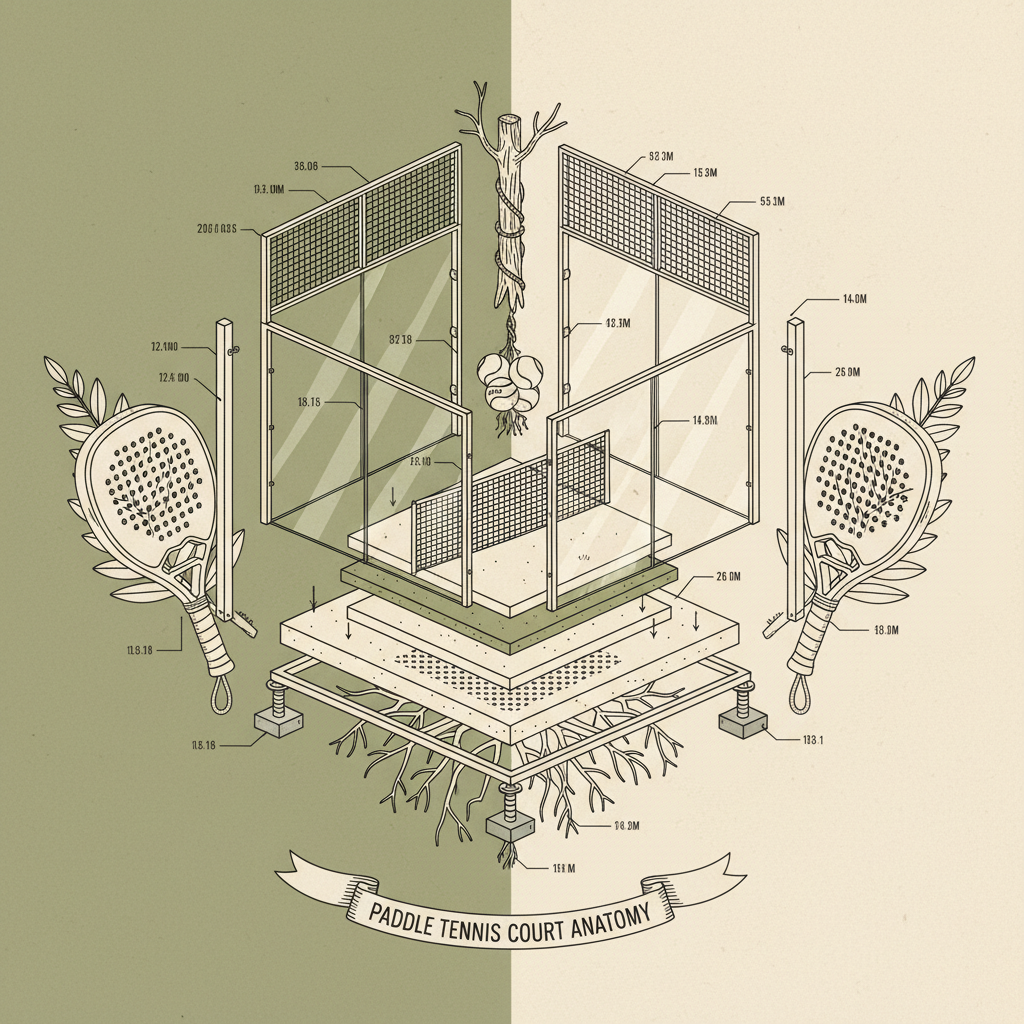
Constructing an outdoor padel court requires precise adherence to specific dimensions and building codes. The standard court size is 20 meters long and 10 meters wide, enclosed by glass and steel mesh walls. Proper foundation preparation is paramount, ensuring a level and stable surface to prevent cracking and uneven play. The sub-base typically consists of compacted gravel, followed by a layer of concrete and then a specialized synthetic turf surface designed for padel.
The court’s design incorporates a service area at each end, divided by a net. Understanding the optimal height and tension of the net, along with the specifications of the surrounding walls, is vital for ensuring fair and enjoyable gameplay. Skilled construction teams specializing in outdoor padel court building are essential to guarantee a high-quality final product.
Materials Used in outdoor padel court Building
The choice of materials directly impacts the longevity, performance, and cost of an outdoor padel court. The most common materials include tempered glass for the back and side walls, providing both safety and visibility. Steel mesh is often used in conjunction with the glass to create a secure enclosure. For the flooring, a synthetic turf specifically designed for padel is preferred, offering excellent grip, cushioning, and durability.
The sub-base typically utilizes layers of compacted gravel and concrete, providing a stable and level foundation. High-quality adhesives are essential for bonding the turf to the concrete, ensuring a long-lasting playing surface. Consideration must also be given to materials for the court's lighting system, ensuring adequate illumination for evening play.
The selection of each material must account for local climate conditions, potential UV exposure, and resistance to wear and tear. Eco-friendly material options are increasingly available, offering sustainable alternatives without compromising performance.
Durability and Longevity of outdoor padel court Structures
The durability of an outdoor padel court is heavily influenced by the quality of construction and the materials used. Tempered glass, while expensive, is highly resistant to breakage and can withstand significant impact. Steel mesh, treated with corrosion-resistant coatings, provides long-term structural integrity. The synthetic turf’s durability is dependent on its pile height, density, and UV resistance.
Regular maintenance plays a critical role in extending the lifespan of an outdoor padel court. This includes periodic cleaning of the turf, inspection of the glass and mesh for damage, and prompt repair of any cracks or weak points. Proper drainage is also crucial to prevent water damage and maintain the stability of the foundation. With diligent care, a well-built outdoor padel court can remain in excellent playing condition for 15-20 years or more.
Climate plays a significant role; courts in areas with harsh winters or extreme heat may require more frequent maintenance and specialized materials to withstand the elements. Utilizing weather-resistant coatings and ensuring adequate ventilation can further enhance durability.
Cost Analysis of outdoor padel court Installations
The cost of installing an outdoor padel court varies considerably depending on location, materials, and labor costs. Generally, the primary cost components include site preparation, foundation construction, wall construction (glass and mesh), turf installation, lighting, and fencing. Additional expenses may include permits, landscaping, and ongoing maintenance.
Basic installations can range from $40,000 to $60,000, while more sophisticated courts with premium materials and features can exceed $80,000 or even $100,000. It’s important to obtain detailed quotes from multiple contractors and carefully evaluate the scope of work included in each bid.
Long-term cost considerations should include annual maintenance expenses, potential repairs, and the cost of replacing worn-out materials. While the initial investment can be significant, the revenue generated from court rentals or membership fees can often offset these costs over time.
Cost Breakdown of outdoor padel court Installation
Global Distribution and Accessibility of outdoor padel court
Originally gaining popularity in Spain and Argentina, the accessibility of outdoor padel court has exploded globally in recent years. Europe now boasts the highest concentration of courts, with countries like Spain, Italy, and France leading the way. The sport is rapidly gaining traction in South America, particularly in Brazil and Uruguay.
Maintenance and Operational Costs for outdoor padel court
Ongoing maintenance is crucial for ensuring the longevity and playability of an outdoor padel court. Regular maintenance tasks include sweeping or vacuuming the turf to remove debris, washing the glass walls, and inspecting the mesh for damage. Periodic deep cleaning of the turf is recommended to remove ingrained dirt and maintain its grip.
Operational costs include electricity for lighting (if applicable), water for cleaning, and potential repair costs. Budgeting for these expenses is essential for long-term financial sustainability. Some facilities may choose to hire a dedicated maintenance crew, while others may opt for a self-maintenance approach.
Implementing a preventative maintenance schedule can significantly reduce the risk of costly repairs and extend the life of the court. Regular inspections can identify potential problems early on, allowing for timely intervention.
Future Trends in outdoor padel court Technology
The future of outdoor padel court technology is focused on enhancing playability, improving sustainability, and integrating smart features. New turf materials are being developed with improved durability, enhanced grip, and reduced environmental impact. LED lighting systems with adjustable brightness and color temperature are becoming increasingly popular, offering energy efficiency and customizable playing conditions.
Smart court technologies, such as automated scoring systems and real-time player tracking, are also emerging. These technologies can enhance the player experience and provide valuable data for coaching and analysis. The integration of renewable energy sources, such as solar power, is gaining traction, reducing the carbon footprint of padel facilities.
Furthermore, advancements in construction techniques are leading to faster and more cost-effective installation processes. Modular court systems are becoming available, allowing for quick assembly and disassembly.
Summarizing Key Aspects of outdoor padel court Future Trends
| Technology Area |
Current Status |
Expected Development |
Impact on outdoor padel court |
| Turf Materials |
Improved durability & grip |
Bio-based, self-cleaning options |
Reduced maintenance, environmental impact |
| Lighting Systems |
LED, energy-efficient |
Smart controls, adjustable spectrum |
Enhanced player experience, energy savings |
| Court Automation |
Basic scoring systems |
Automated scoring, player tracking |
Improved game management, data analysis |
| Energy Solutions |
Grid-powered |
Solar integration, energy storage |
Reduced carbon footprint, lower operating costs |
| Construction Methods |
Traditional on-site build |
Modular, pre-fabricated systems |
Faster installation, reduced costs |
| Surface Coatings |
Standard Acrylic Coatings |
Self-healing, UV resistant coatings |
Increased durability, reduced maintenance |
FAQS
A well-maintained outdoor padel court, constructed with high-quality materials, can typically last between 15 and 20 years. However, factors such as climate, usage frequency, and the quality of initial construction significantly impact its longevity. Regular maintenance, including cleaning, repairs, and resurfacing, is crucial for maximizing the lifespan of the court.
Regular maintenance for an outdoor padel court includes sweeping or vacuuming the playing surface to remove debris, washing the glass and mesh walls to maintain visibility, and inspecting the court for cracks or damage. Periodic deep cleaning of the turf is recommended to restore its grip and appearance. Annual inspections by a qualified technician are also advisable to identify potential issues before they become major problems.
Generally, building an outdoor padel court is less expensive than building a traditional tennis court. This is primarily due to the smaller court size and simpler construction requirements. A padel court typically costs between $40,000 and $80,000, while a tennis court can range from $60,000 to $150,000 or more. However, costs can vary significantly depending on location, materials, and labor rates.
Whether planning permission is required depends on local regulations and the specific location of the court. Generally, courts located in residential areas or those exceeding certain size or height limits will require planning permission. It's crucial to consult with local planning authorities before commencing any construction work to ensure compliance with all applicable rules and regulations.
A specialized synthetic turf designed specifically for padel is the most common and recommended surface. This type of turf provides excellent grip, cushioning, and durability, contributing to a safe and enjoyable playing experience. The turf should have a pile height of around 8-12mm and be filled with silica sand to enhance its performance characteristics.
Safety should be a top priority when building and maintaining an outdoor padel court. Ensure that the glass walls are made of tempered glass and are securely mounted. Regularly inspect the mesh for any tears or damage. Maintain a level and even playing surface to prevent trips and falls. Provide adequate lighting for evening play and consider adding safety padding around the court’s perimeter.
Conclusion
In conclusion, the outdoor padel court represents more than just a sporting venue; it is a rapidly growing global phenomenon with significant implications for recreation, community engagement, and the sports industry. From carefully considered construction materials and designs to consistent maintenance protocols, ensuring a quality and long-lasting court is paramount. Understanding the associated costs, potential innovations, and challenges allows for strategic investment and sustainable development.
Looking ahead, the future of outdoor padel courts is bright. Continued technological advancements, a growing emphasis on sustainability, and increasing accessibility promise to further propel the sport’s popularity. We encourage prospective investors, sports enthusiasts, and community leaders to explore the vast potential of outdoor padel court, recognizing its value as a dynamic and engaging activity for people of all ages and abilities. Visit our website at www.yocoolcn.com to learn more about our padel court solutions.


 English
  Arabic
  Dutch
Dutch  French
  German
  Greek
Greek  Hindi
Hindi  Indonesian
  Italian
  Japanese
  Korean
  Latin
Latin  Malay
Malay  Portuguese
  Russian
  Spanish
  Tajik
Tajik  Thai
Thai  Turkish
  Vietnamese