Paddle court tennis, a rapidly growing sport blending elements of tennis, squash, and badminton, is gaining global traction as a fun, accessible, and competitive activity. Its unique court design and ruleset provide a dynamic and engaging experience for players of all skill levels. Understanding the nuances of paddle court tennis opens doors to a thriving community and exciting athletic challenges.
The appeal of paddle court tennis extends beyond recreation. Increasingly, communities are recognizing its potential for fostering social interaction, promoting physical fitness, and offering a relatively low-impact sport suitable for a wide range of ages. Investment in paddle court facilities is therefore becoming more common, driven by both public and private initiatives.
Furthermore, the growing popularity presents opportunities for sports equipment manufacturers, court construction companies, and coaching professionals. As the sport expands globally, the demand for quality facilities, equipment, and instruction is expected to continue rising, making it a worthwhile area of exploration for businesses and individuals alike.
Introduction to Paddle Court Tennis
Paddle court tennis stands apart due to its walled court, allowing for continuous play and strategic bank shots. The solid paddle used, unlike the strung rackets in traditional tennis, provides a distinct feel and encourages a different playing style focused on control and placement. This accessibility lowers the barrier to entry for many players.
Its increasing adoption stems from a combination of factors. The smaller court size makes it suitable for areas where traditional tennis courts are impractical. The game’s social nature, often played as doubles, adds to its appeal. Its growing visibility and participation are indicative of a healthy and expanding athletic community.
The Global Rise of Paddle Court Tennis
While originating in Mexico in the 1960s, paddle court tennis has experienced exponential growth globally, particularly in recent years. Spain currently boasts the highest number of courts and players, with Argentina and the United States also experiencing significant surges in popularity. Estimates suggest over 10,000 courts now exist worldwide, with numbers growing rapidly.
This surge isn’t just a trend; it’s a demonstrably growing sporting community. The International Federation of Paddle Tennis (IFP) works to standardize rules and promote the sport internationally. Increasing professional tournaments, televised matches, and sponsorships are further accelerating awareness and participation.
The rise is also fuelled by the adaptability of paddle court tennis. Unlike some sports restricted by expensive facilities or specialized training, paddle court tennis can be easily integrated into existing recreational facilities and learned quickly by beginners, fostering a sense of inclusivity and accessibility.
Defining Paddle Court Tennis
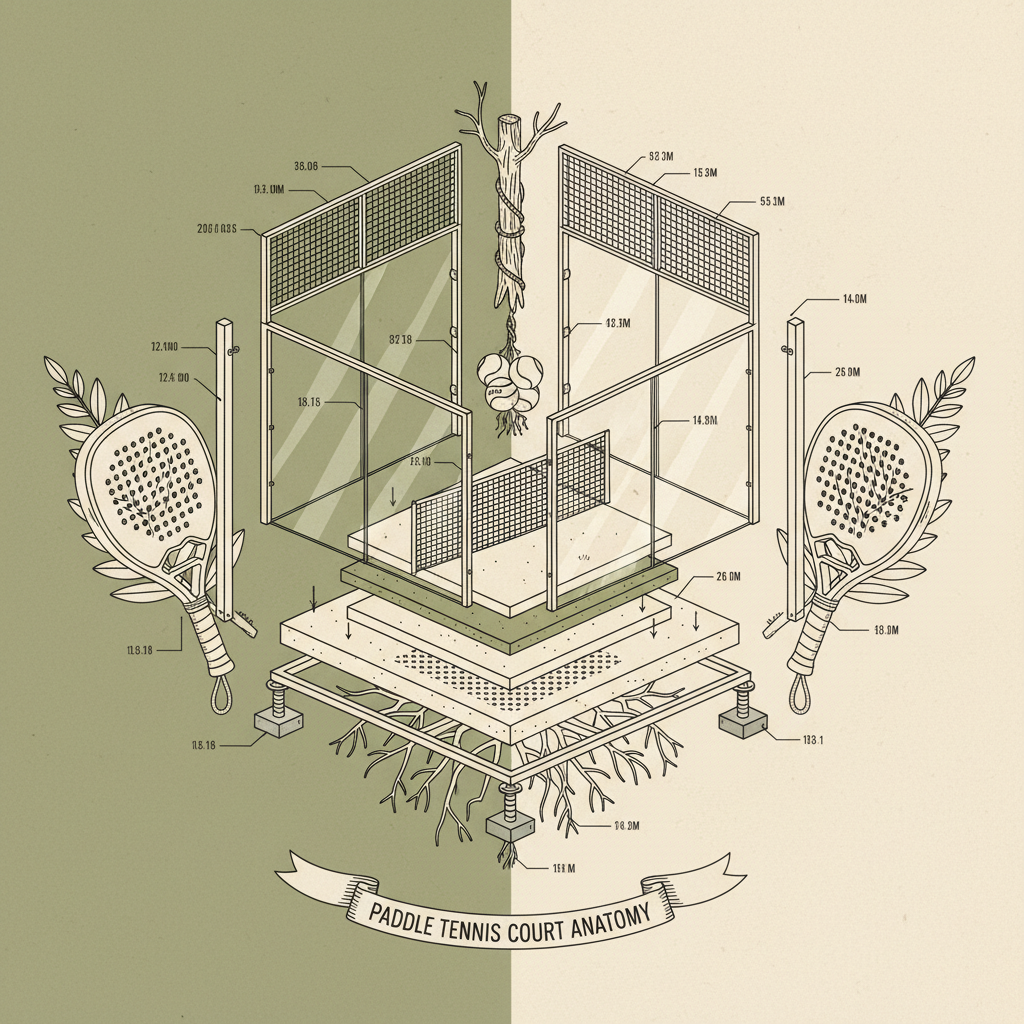
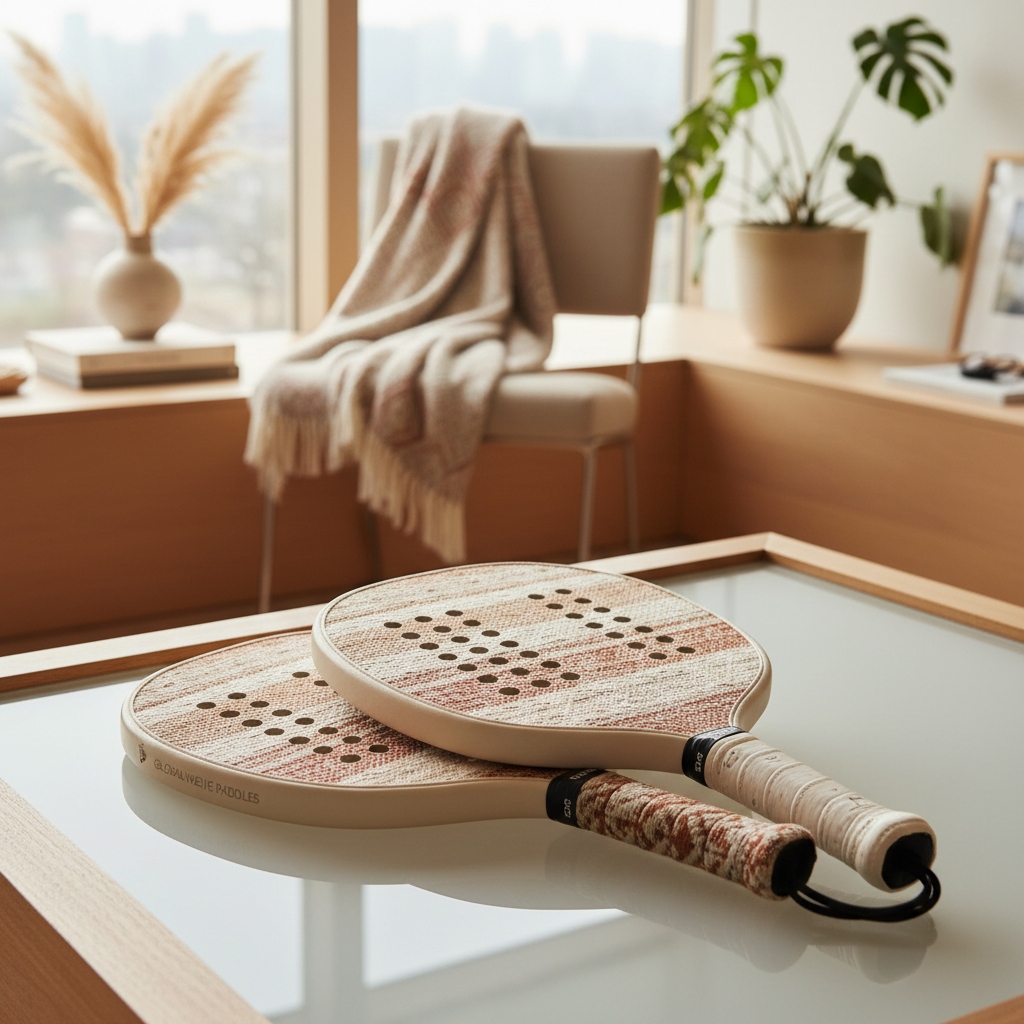
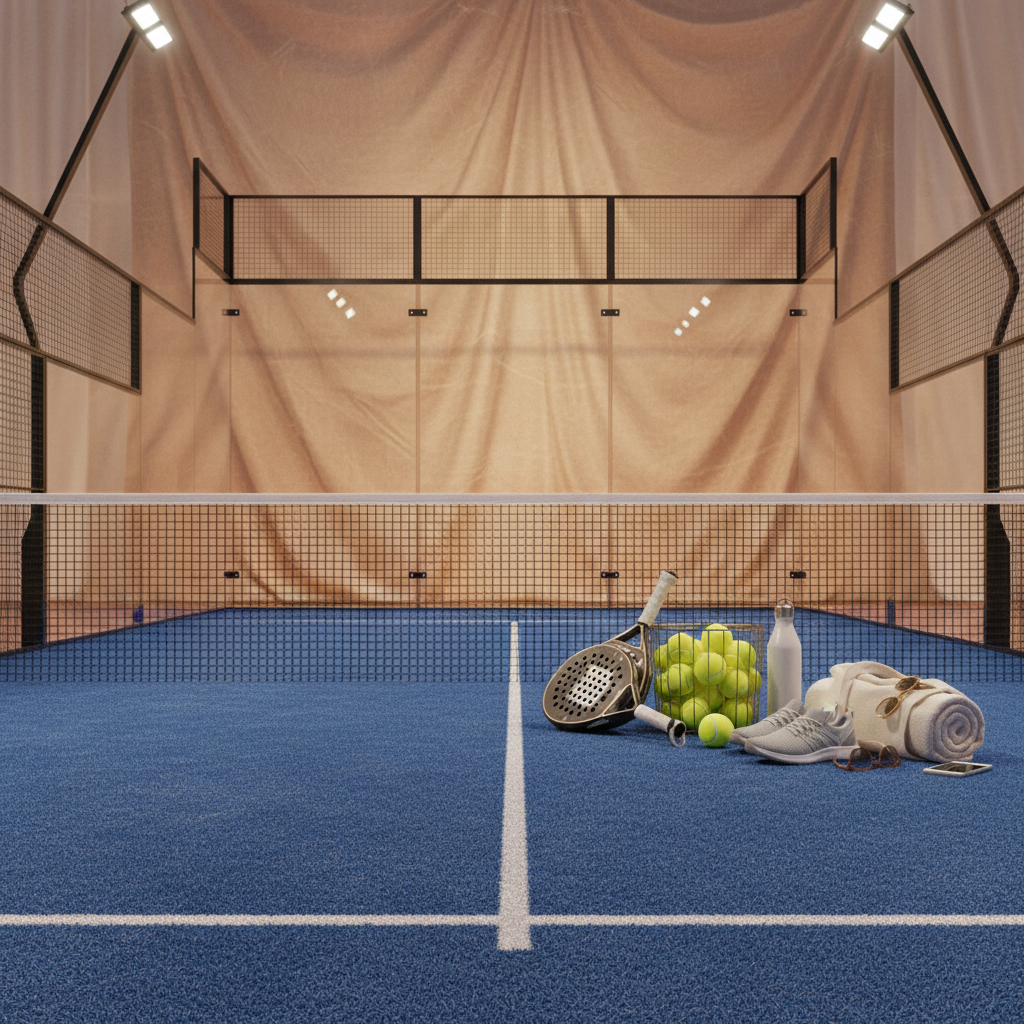
Paddle court tennis is a racket sport played on a walled court, typically measuring 20 meters long and 10 meters wide. The game utilizes solid paddles, unlike the stringed rackets used in lawn tennis, and a depressurized ball. The walls are an integral part of the game, allowing players to rebound the ball off them, adding a unique dimension of strategy and athleticism.
Its connection to modern recreational needs is evident in its accessibility. The smaller court size and simplified equipment requirements make it significantly more affordable to establish than traditional tennis facilities. This characteristic addresses the demand for accessible and inclusive sports options within communities and schools, especially where land and resources are limited.
Beyond recreation, paddle court tennis fosters community engagement and provides a low-impact fitness option. It’s quickly becoming a viable alternative to tennis for individuals seeking a challenging yet forgiving sport. The social aspect is also significant; the game is most often played in doubles, emphasizing teamwork and communication.
Key Elements of Paddle Court Tennis
Several key aspects define the character of paddle court tennis. Firstly, the Walled Court is fundamental, dictating strategy and game flow. Secondly, the Solid Paddle affects ball control and power, demanding a different technique than tennis. Thirdly, the Depressurized Ball contributes to slower speeds and extended rallies.
Fourthly, the Doubles Format, commonly played, necessitates strong teamwork. Finally, the Scoring System, largely similar to tennis, ensures a familiar structure for many players. Each element synergistically contributes to the unique experience of paddle court tennis.
Paddle Court Tennis Skill Development
Applications and Global Reach
Paddle court tennis is increasingly employed in diverse settings. Community centers are installing courts to offer affordable recreational opportunities. Schools are integrating the sport into their physical education curricula, promoting fitness and teamwork. Private clubs are recognizing its appeal and adding paddle courts to attract new members.
Geographically, Spain dominates the landscape, with courts in almost every city. Argentina is experiencing a similar boom, fueled by strong local enthusiasm. In the United States, Florida and California are leading the charge, with courts popping up in residential communities and dedicated paddle tennis facilities.
The sport also has potential in resort locations, offering guests a unique and engaging activity. Its relatively small footprint and ease of construction make it an attractive addition to many resort amenities, providing an alternative to traditional tennis or other racket sports.
Benefits and Long-Term Value
The benefits of paddle court tennis are numerous. Cost-effectively, it requires less space and lower construction costs than traditional tennis. Sustainably, its simpler construction often uses fewer resources. Socially, it encourages community engagement and provides a fun activity for all ages.
From a personal perspective, it offers a fantastic workout, improving cardiovascular health and coordination. The strategic element promotes mental agility and problem-solving skills. The social aspects contribute to a sense of belonging and well-being. It's a sport that builds confidence and encourages active lifestyles.
The game's inherent accessibility fosters inclusivity, meaning individuals of varied skill levels and backgrounds can enjoy it together. This aspect, combined with the potential for community building, contributes to a sense of shared enjoyment and social cohesion.
Future Trends and Innovations
The future of paddle court tennis is bright, with several exciting trends emerging. Court construction materials are evolving, focusing on sustainability and durability. Digital technologies are being integrated into court design, offering features like automated scoring and real-time performance tracking.
The increased use of smart paddles with built-in sensors that analyze swing mechanics and provide personalized feedback is also on the horizon. This data-driven approach will aid in skill development and optimize player performance. Furthermore, the integration of virtual reality (VR) and augmented reality (AR) technologies could create immersive training experiences.
Greater emphasis on professionalizing the sport, including increased prize money and media coverage, will attract top athletes and further elevate its global profile. The trend towards eco-friendly court surfaces and sustainable construction practices will also gain momentum, aligning with growing environmental concerns.
FAQS
Paddle court tennis utilizes a solid paddle instead of a strung racket, a depressurized ball, and is played on a walled court. These features lead to slower ball speeds, extended rallies, and a greater emphasis on strategic wall play. Traditional tennis is faster paced, utilizes a strung racket and a pressurized ball, and is played on a larger, open court.
Absolutely. Paddle court tennis provides a comprehensive workout, engaging cardiovascular fitness, agility, strength, and endurance. The enclosed court format demands constant movement and quick reflexes. It's a dynamic and challenging sport that offers numerous health benefits.
Paddle court tennis is remarkably accessible to players of all skill levels. Beginners can quickly pick up the basics, while experienced tennis or squash players can readily adapt their skills. The game’s forgiving nature and emphasis on strategy make it enjoyable for newcomers and challenging for seasoned athletes alike.
The cost of a paddle court tennis court varies depending on materials, location, and construction complexity. Generally, it is significantly less expensive than building a traditional tennis court. Costs can range from $20,000 to $50,000, depending on the specific requirements and features.
Resources like the International Federation of Paddle Tennis (IFP) website and local sports directories can help you locate courts. A simple online search for "paddle court tennis courts near me" will also yield results. Many recreational facilities, clubs, and community centers are now offering paddle court tennis.
The essential equipment includes a paddle court tennis paddle, appropriate athletic shoes with good court grip, and comfortable sportswear. Eye protection is also recommended. The balls are specifically designed for paddle court tennis and are different from standard tennis balls.
Conclusion
Paddle court tennis offers a compelling blend of athleticism, strategy, and social engagement. Its accessibility, lower cost compared to traditional tennis, and potential for community building position it for continued growth and widespread adoption. From its origins in Mexico to its global expansion, paddle court tennis has proven its enduring appeal.
As the sport evolves with innovative court technologies and increased professionalization, its future looks promising. Investing in paddle court facilities and promoting participation can benefit communities by fostering healthy lifestyles, strengthening social bonds, and providing an enjoyable recreational outlet for all.


 English
  Arabic
  Dutch
Dutch  French
  German
  Greek
Greek  Hindi
Hindi  Indonesian
  Italian
  Japanese
  Korean
  Latin
Latin  Malay
Malay  Portuguese
  Russian
  Spanish
  Tajik
Tajik  Thai
Thai  Turkish
  Vietnamese