The global sporting landscape is witnessing a meteoric rise in the popularity of padel, a dynamic blend of tennis and squash that emphasizes agility, strategy, and social interaction. At the heart of this growth is the padel tennis single court, a specialized infrastructure designed to facilitate high-intensity rallies within a confined, glass-walled environment. As urban spaces become more precious, the demand for efficient, high-quality court installations has shifted from luxury clubs to community hubs and private residences globally.
Understanding the technical nuances of a padel tennis single court is essential for investors, architects, and sports enthusiasts alike. From the specific bounce characteristics of the tempered glass to the friction coefficients of the synthetic turf, every element is engineered to ensure player safety and game consistency. The integration of these components determines not only the longevity of the facility but also the professional quality of the playing experience, making the choice of manufacturing standards a critical decision.
Whether you are looking to integrate a sporting facility into a commercial development or upgrading a private club, the padel tennis single court represents a fusion of modern engineering and athletic passion. By prioritizing E-E-A-T principles—Experience, Expertise, Authoritativeness, and Trustworthiness—this guide explores how the right materials and installation methods can transform a simple plot of land into a world-class sporting arena that meets international standards.
The Technical Evolution of Padel Tennis Single Court Design
The design of the padel tennis single court has evolved from rudimentary enclosures to highly engineered systems. In the early stages, the focus was merely on containing the ball; however, modern specifications now prioritize the "true bounce" and structural rigidity. The shift toward using high-grade tempered glass and galvanized steel frames has significantly reduced maintenance costs while enhancing the safety of players who frequently interact with the walls during play.
Today, the evolution continues with a focus on modularity. Manufacturers are developing systems that allow for faster deployment without compromising the structural integrity of the court. This advancement is particularly crucial for temporary tournaments or rapid expansion of sports complexes, ensuring that the competitive environment remains consistent regardless of the location or installation speed.
Core Components for Maximum Performance
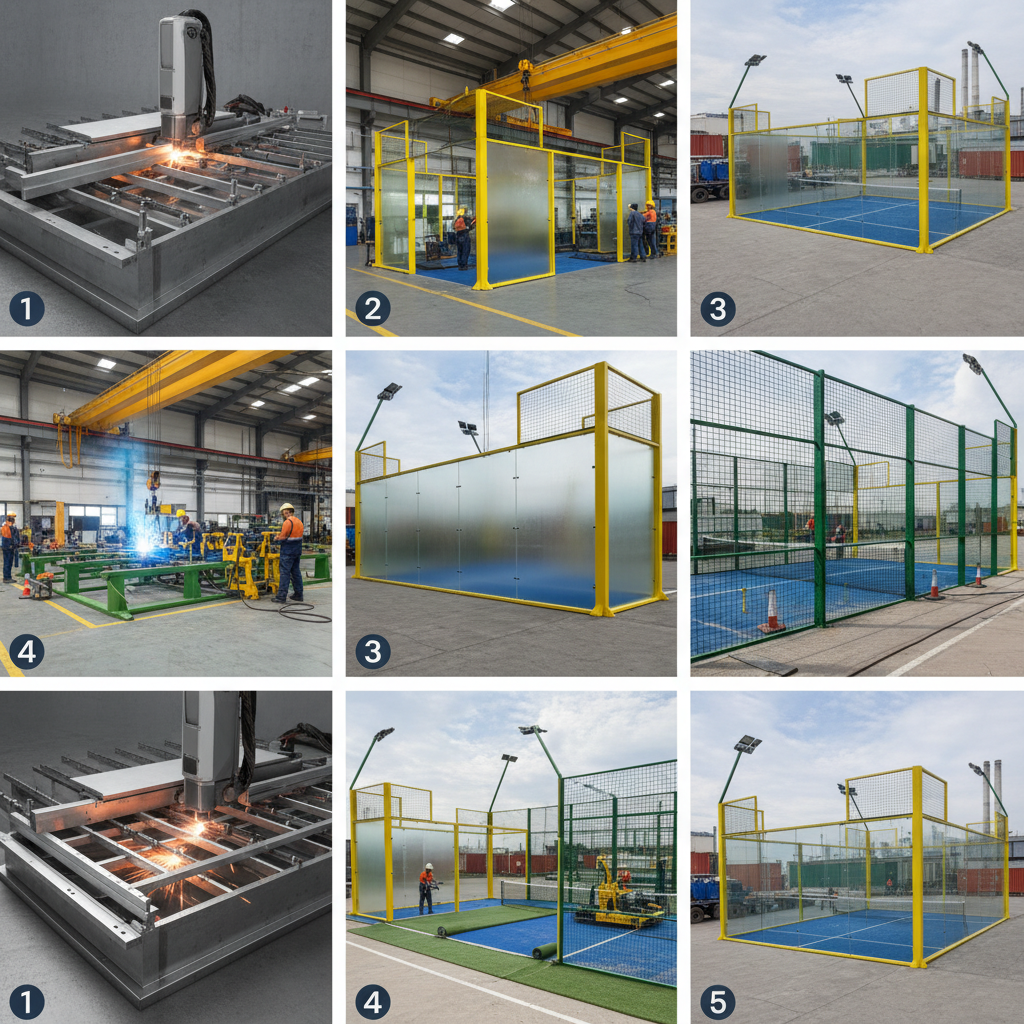
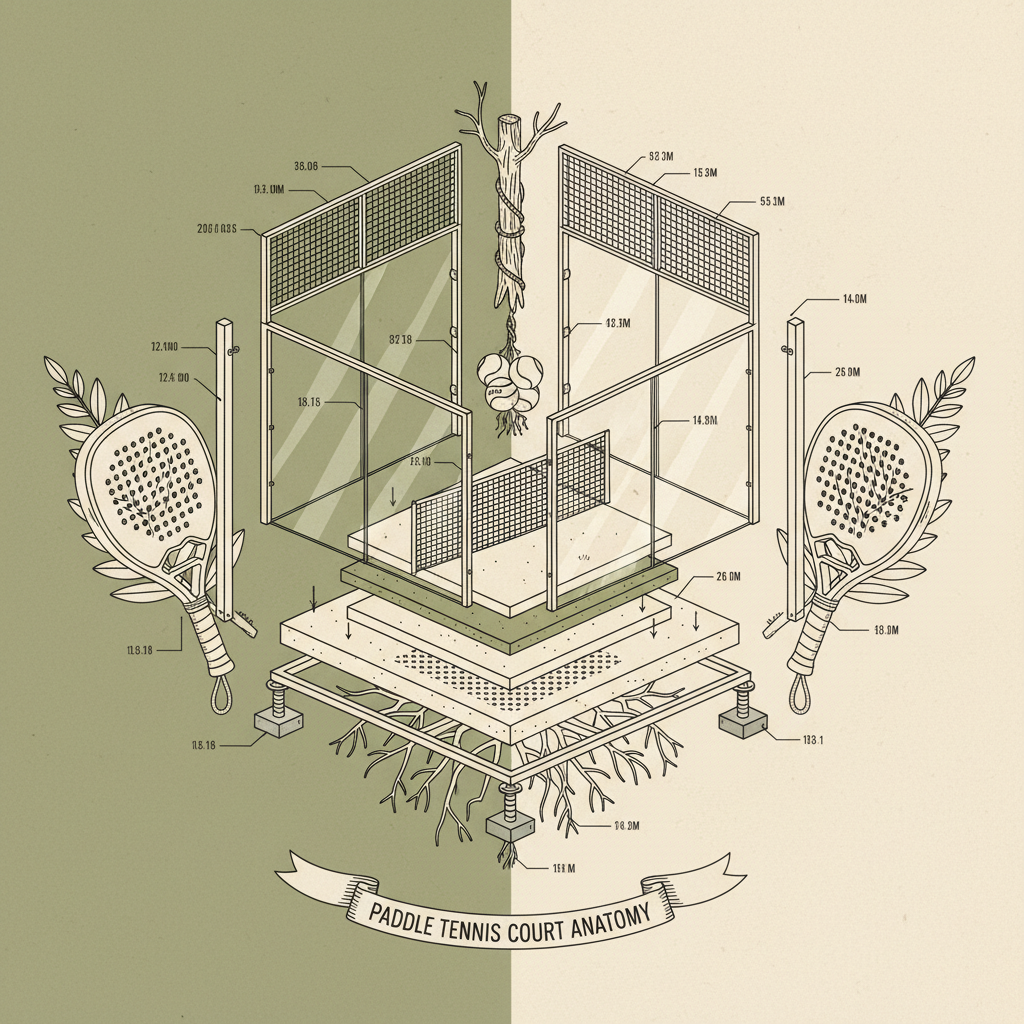
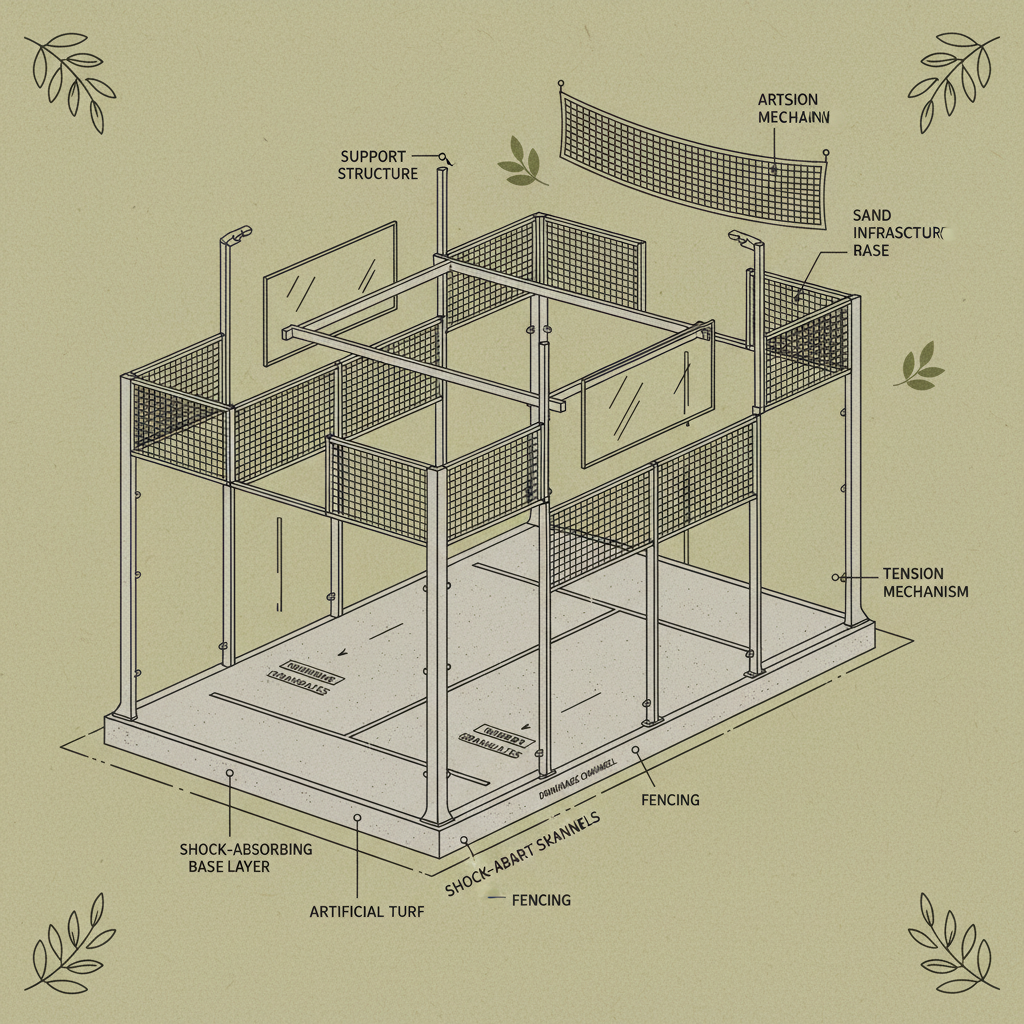
A high-performance padel tennis single court relies on the synergy of four primary components: the glass walls, the steel mesh, the synthetic turf, and the lighting system. The glass must be tempered to a specific thickness (usually 10mm or 12mm) to withstand high-impact collisions while providing absolute transparency for spectators and players. The steel mesh, often electrostatically powder-coated, must be tensioned precisely to prevent sagging and ensure a predictable rebound.
The flooring is perhaps the most critical element for player health. Professional courts utilize monofilament synthetic grass infused with silica sand, which provides the necessary grip and shock absorption to prevent joint injuries. This "sand-filled" system allows players to slide slightly during sudden stops, mimicking the movement found in professional clay courts but with the durability of synthetic materials.
Finally, the lighting infrastructure has transitioned almost entirely to LED technology. Modern courts feature asymmetrical lighting layouts to eliminate shadows and glare, which is essential for high-speed gameplay. By integrating these components into a unified structural frame, the court becomes more than just a boundary; it becomes a tool that enhances the athletic performance of the players.
Defining Quality Standards in Court Construction
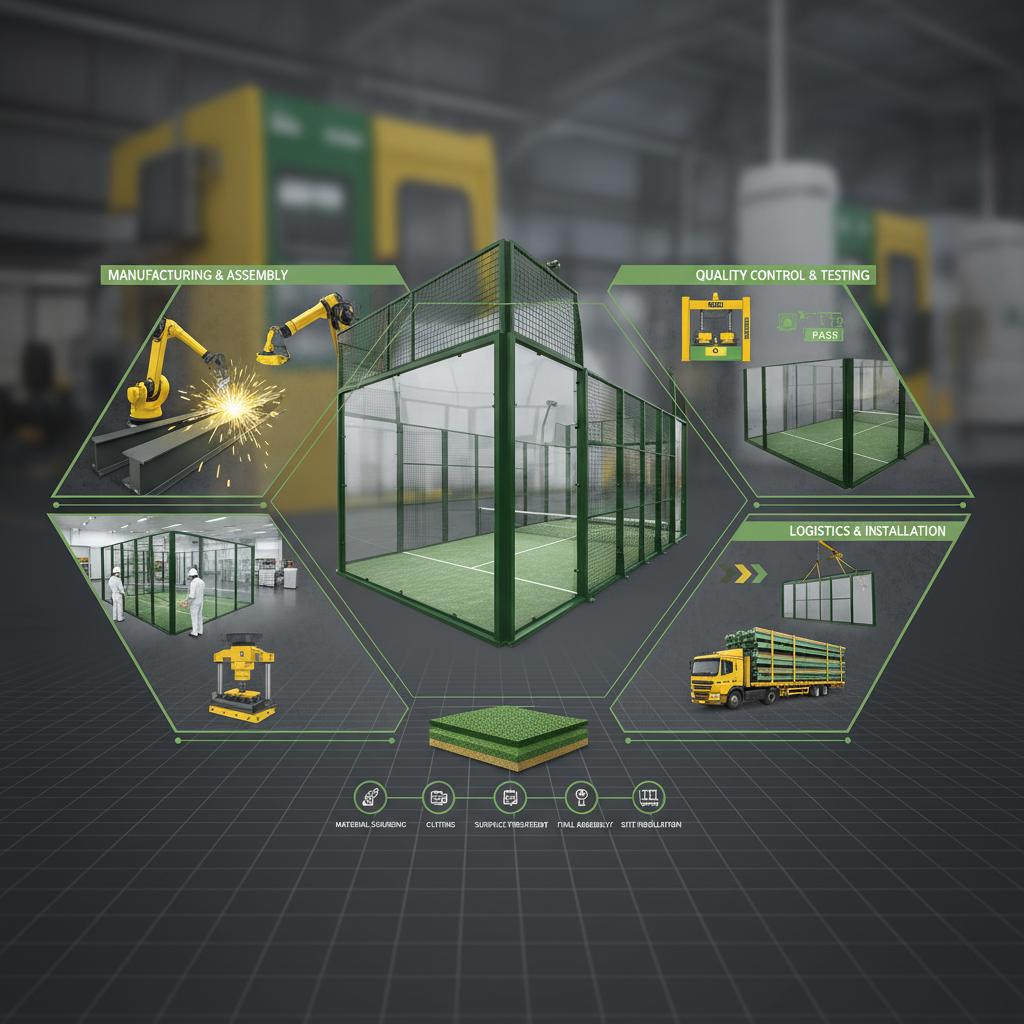
When evaluating a padel tennis single court, the first indicator of quality is the precision of the frame's welding and the quality of the anti-corrosion treatment. In coastal regions or humid climates, the use of hot-dip galvanization is non-negotiable to prevent rust from compromising the structural stability of the enclosure over time.
A critical quality benchmark for any padel tennis single court is the "Glass-to-Steel Interface." High-end courts use specialized EPDM rubber gaskets to cushion the glass panels, preventing direct metal-to-glass contact. This detail is what prevents spontaneous shattering under extreme thermal expansion or heavy impact, ensuring a safe environment for all age groups.
Furthermore, the leveling of the concrete base is the foundation of all quality. A variance of even a few millimeters across the surface of a padel tennis single court can lead to "dead spots" where the ball does not bounce consistently, which is unacceptable for competitive play and can lead to player frustration.
Cost-Benefit Analysis of Modern Materials
Investing in a padel tennis single court requires a careful balance between initial capital expenditure and long-term operational costs. While lower-grade steel and thinner glass may reduce the upfront price, they often lead to higher replacement frequencies and increased liability risks. Conversely, premium materials offer a higher ROI through durability and the ability to attract premium memberships due to the professional feel of the court.
From a commercial perspective, the "cost per play" decreases significantly when using high-density synthetic turf and reinforced glass, as these materials require less frequent grooming and replacement. When analyzing the lifecycle of a court, the focus should shift from "purchase price" to "total cost of ownership," where efficiency and durability become the primary drivers of profitability.
Material Performance Rating for Padel Tennis Single Court
Global Applications and Urban Integration
The versatility of the padel tennis single court allows it to be integrated into a wide variety of environments. In densely populated cities like Madrid or Dubai, these courts are increasingly found on rooftops or within repurposed industrial warehouses. The compact footprint makes it an ideal addition to hotels and resorts seeking to offer unique guest experiences without requiring the massive land area needed for full-sized tennis courts.
Beyond commercial hubs, we are seeing a rise in community-driven installations in remote residential zones. In these contexts, the padel tennis single court serves as a social catalyst, promoting healthy lifestyles and community bonding. The ability to install these courts on various surfaces—from reinforced concrete to specialized drainage layers—ensures that the sport can expand into diverse geographical terrains.
Long-Term Value and Sustainability
Sustainability is becoming a cornerstone of sports facility manufacturing. For a padel tennis single court, this manifests in the use of recyclable steel and the development of eco-friendly synthetic turfs that do not leach microplastics into the environment. By choosing materials with a lower carbon footprint and optimizing the supply chain, manufacturers are reducing the environmental impact of court deployment.
The long-term value of these installations also lies in their social impact. Padel is an inclusive sport, accessible to various age groups and skill levels. This inclusivity ensures a steady stream of users, which in turn guarantees the financial viability of the facility. A well-constructed court doesn't just provide a place to play; it builds a community of athletes who value health and wellness.
Furthermore, the reliability of a high-quality court reduces the need for frequent renovations. When a padel tennis single court is built to international standards, it remains a valuable asset for decades. The trust established through quality construction leads to higher player retention and a stronger brand reputation for the facility operator.
Future Trends in Smart Court Technology
The next frontier for the padel tennis single court is the integration of "Smart Court" technology. We are seeing the emergence of embedded sensors within the court surface and glass walls that can track ball speed, player movement, and heat maps. This data-driven approach allows players to analyze their game with professional-grade precision and enables coaches to provide more targeted training.
Digital transformation also extends to facility management. IoT-enabled lighting systems can now automatically adjust intensity based on ambient light or player occupancy, significantly reducing energy consumption. Automated booking systems integrated with the court's physical access control are streamlining the user experience, making the management of multiple courts more efficient and scalable.
Looking ahead, we expect to see advancements in "kinetic energy" flooring, where the movement of players on the padel tennis single court can help power the court's LED lights. This marriage of sports infrastructure and green energy will define the next generation of athletic facilities, making them not only centers of health but also benchmarks for urban sustainability.
Comparative Analysis of Smart Court Implementation Tiers
| Tech Tier |
Key Feature |
Implementation Cost |
Player Value |
| Basic |
LED Lighting |
Low |
Standard Play |
| Standard |
Auto-Booking System |
Medium |
Enhanced Convenience |
| Advanced |
Video Analysis AI |
High |
Professional Training |
| Elite |
Sensor-Embedded Glass |
Very High |
Real-time Analytics |
| Eco-Smart |
Kinetic Energy Floor |
High |
Sustainability Pride |
| Hybrid |
Multi-Sport Adaptor |
Medium-High |
Versatile Use |
FAQS
A professional-grade court, constructed with hot-dip galvanized steel and high-quality tempered glass, can last 15-20 years with proper maintenance. The synthetic turf usually requires replacement or deep cleaning every 5-8 years depending on the usage frequency. Regular checks on the glass tension and rust-proofing of the frame are recommended annually to ensure the facility remains safe and performs to international standards.
Yes, but it requires a detailed structural engineering assessment. Because the glass and steel frame of a padel tennis single court have significant weight, the rooftop must be capable of supporting the dead load of the materials and the dynamic load of the players. Additionally, specialized wind-loading anchors are necessary to secure the court against high-altitude gusts, ensuring the glass panels remain stable and secure.
The industry gold standard is monofilament curly grass (polyethylene) infused with high-purity silica sand. This combination provides the optimal balance of traction and sliding, which is critical for preventing ankle and knee injuries. The "curly" nature of the fibers helps hold the sand in place more effectively, reducing the need for frequent brushing and maintaining a consistent bounce across the entire surface.
While 10mm glass is sufficient for residential or recreational use, 12mm tempered glass is highly recommended for commercial clubs and professional tournaments. The extra thickness provides superior impact resistance and a more consistent rebound, which is vital for high-speed professional rallies. If the court is located in a high-traffic area, the 12mm option significantly reduces the risk of breakage and lowers long-term replacement costs.
Maintenance is relatively low but essential. Weekly brushing of the synthetic turf is required to redistribute the silica sand and keep the fibers upright. Quarterly inspections of the glass bolts and frame tension are necessary to ensure structural safety. For outdoor courts, clearing debris and ensuring drainage systems are functioning prevents water accumulation, which could otherwise damage the turf foundation.
Absolutely. Since a padel court is significantly smaller than a tennis court, you can typically fit three padel courts into the space of one tennis court. This makes the conversion a highly profitable move for sports clubs. The existing tennis court surface can often serve as the base, although a new layer of professional padel turf and a reinforced concrete slab under the glass walls are usually recommended for optimal performance.
Conclusion
The implementation of a padel tennis single court is more than just a construction project; it is an investment in a rapidly growing global sport that merges athleticism with social connectivity. By focusing on high-grade materials—such as tempered glass, galvanized steel, and monofilament turf—and adhering to strict installation standards, facility owners can ensure a safe, durable, and high-performance environment. The integration of smart technology and sustainable materials further enhances the long-term value, making these courts a cornerstone of modern urban sports infrastructure.
As the sport continues to penetrate new markets, the demand for expertise in specialized manufacturing will only increase. We encourage investors and sports developers to prioritize quality over initial cost, ensuring that their facilities meet the evolving needs of both amateur and professional players. To bring your vision of a world-class sporting facility to life, explore our professional solutions. Visit our website: www.yocoolcn.com

 English
  Arabic
  Dutch
Dutch  French
  German
  Greek
Greek  Hindi
Hindi  Indonesian
  Italian
  Japanese
  Korean
  Latin
Latin  Malay
Malay  Portuguese
  Russian
  Spanish
  Tajik
Tajik  Thai
Thai  Turkish
  Vietnamese