
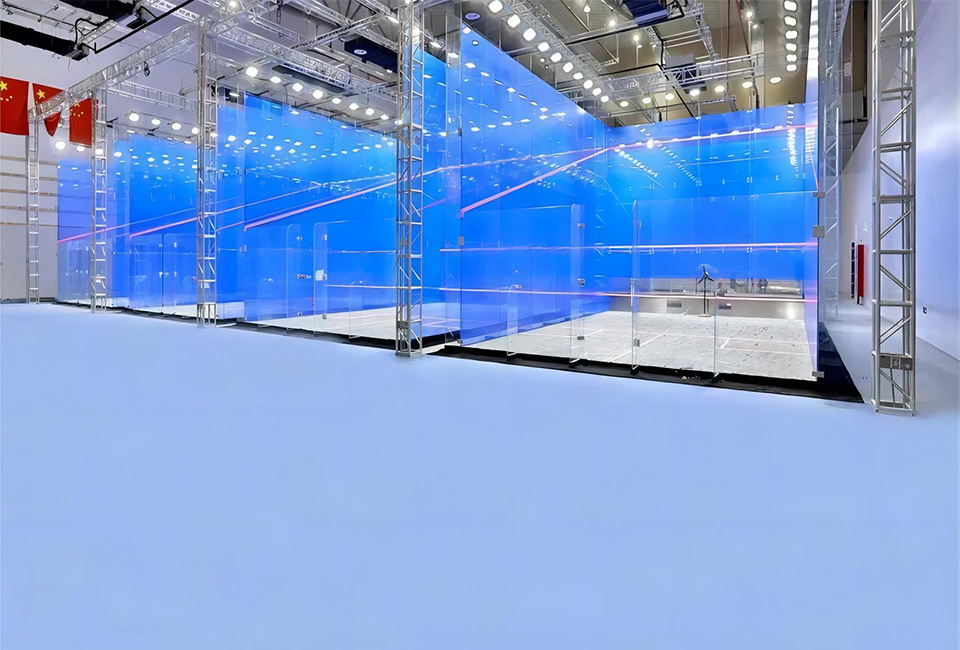
If you’ve scrolled through club openings lately, you’ve noticed the same thing I have: panoramic glass is everywhere. And not just at elite venues—municipal complexes want it too. The twist? A lot of the engineering lessons actually came from all-glass squash. One Hebei-based manufacturer I visited in Shijiazhuang—origin of the NO.1 All Glass Squash Court—has been quietly supplying the hardware and methods that make today’s Padel Court builds look cinematic and play consistent. To be honest, once you see it in person, it’s hard to go back to steel-heavy frames.
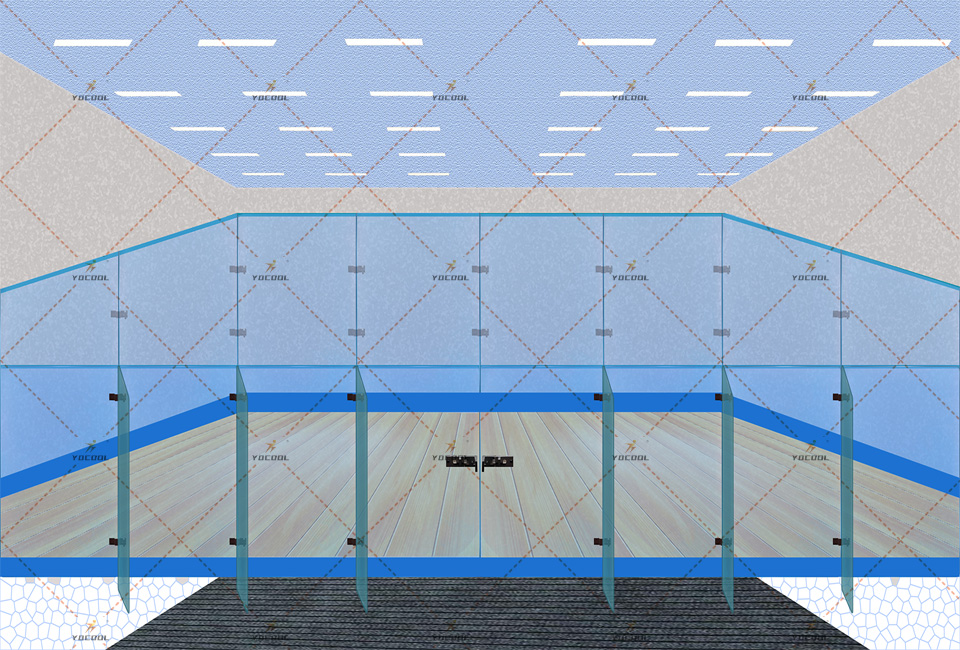
| Court size | 20 m × 10 m; clear height ≥6 m (FIP guidelines) |
| Glass walls | 12 mm fully-tempered glass, heat-soak optional; edges polished; EN 12150-1 compliant |
| Frames/columns | Q235/Q355 steel, hot-dip galvanized (≥80 µm), powder coat RAL custom; wind load ≈0.5–0.7 kPa (site-specific) |
| Mesh fencing | 50×50 mm welded mesh, 4 mm wire; epoxy finish |
| Floor/turf | Texturized monofilament or fibrillated turf, 10–15 mm pile, silica sand infill; EN 15330-1 ref. |
| Lighting | 8–12 LED luminaires, 300–500 lux avg., UGR control; EN 12193 |
| Service life (real-world) | Structure 15–20 yrs, glass 8–12 yrs, turf 4–6 yrs (usage/climate dependent) |
Materials flow borrows from the all-glass squash lineage: tempered glass panels (with optional heat-soak), CNC-drilled mount points, galvanized columns, and factory-jigged brackets. Methods: foundation slab (C30 concrete, SFRC optional), column set-out and plumb tolerance ≤2 mm/m, panel installation with neoprene gaskets and countersunk fittings, torque-verified fasteners, then turf/LED scope. Testing: glass flatness and surface compression (per EN 12150), wall rebound uniformity (players notice), lux mapping, anchorage pull-out, and a quick wind-serviceability check. In fact, many customers say the QC checklist is what keeps playability consistent between courts.
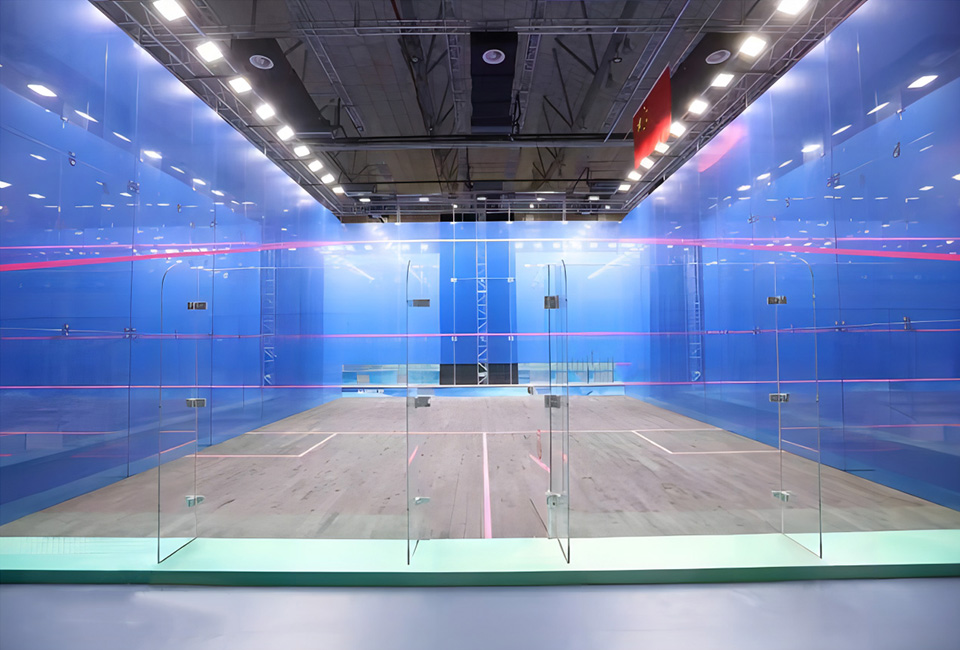
User notes, anecdotally: quieter hits with 12 mm glass + neoprene, better TV sightlines in panoramic corners, and fewer scrapes where edges are properly polished. One coastal install in Xiamen reported corrosion-free frames after 24 months—galvanizing did the heavy lifting.
| Vendor | Glass & Frame | Certs/Testing | Lead time / Warranty |
|---|---|---|---|
| Hebei manufacturer (roots in all-glass squash) | 12 mm EN 12150 glass; hot-dip galvanized steel | Factory QC, lux map, anchor pull tests; ISO 9001 | ≈5–8 weeks; 5–8 yrs structure |
| Local fabricator | 10–12 mm glass; painted steel | Basic handover, variable documentation | ≈3–6 weeks; 2–5 yrs |
| EU brand | 12 mm glass; marine-grade finishes | Third-party reports, CE components | ≈8–14 weeks; 5–10 yrs |
Color-matched frames (RAL), etched logos on glass, LED-integrated posts, acoustic interlayers (select walls), anti-scratch coatings, desert/coastal hardware packs, and removable side panels for event setups. Real-world use may vary, but these options meaningfully affect OPEX and fan experience.
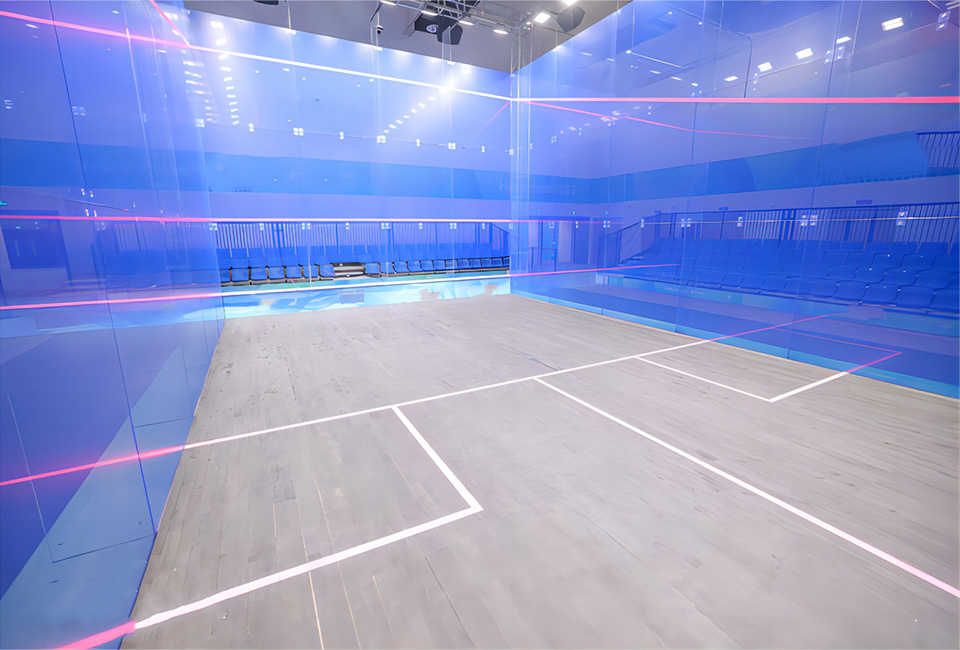
Origin note: engineered and assembled out of Shijiazhuang, Hebei, China—logistics are surprisingly smooth if you lock drawings early.
Sports clubs, hotels, schools, and real-estate amenities. I guess the common thread is programming—get leagues on the calendar and the Padel Court pays for itself faster than you’d think.
Top Professional Padel Court for Sale Factories Buyer Guide
Guide to Choosing the Best padel court for sale manufacturers
Find Reliable Padel Court for Sale Suppliers for Quality Courts
Yocool Platform Paddle Tennis Factory Quality Equipment Solutions
Find a Reliable Platform Paddle Tennis Supplier for Quality Equipment
Discover Top Platform Paddle Tennis Factories for Superior Equipment
 English
  Arabic
  Dutch
Dutch  French
  German
  Greek
Greek  Hindi
Hindi  Indonesian
  Italian
  Japanese
  Korean
  Latin
Latin  Malay
Malay  Portuguese
  Russian
  Spanish
  Tajik
Tajik  Thai
Thai  Turkish
  Vietnamese