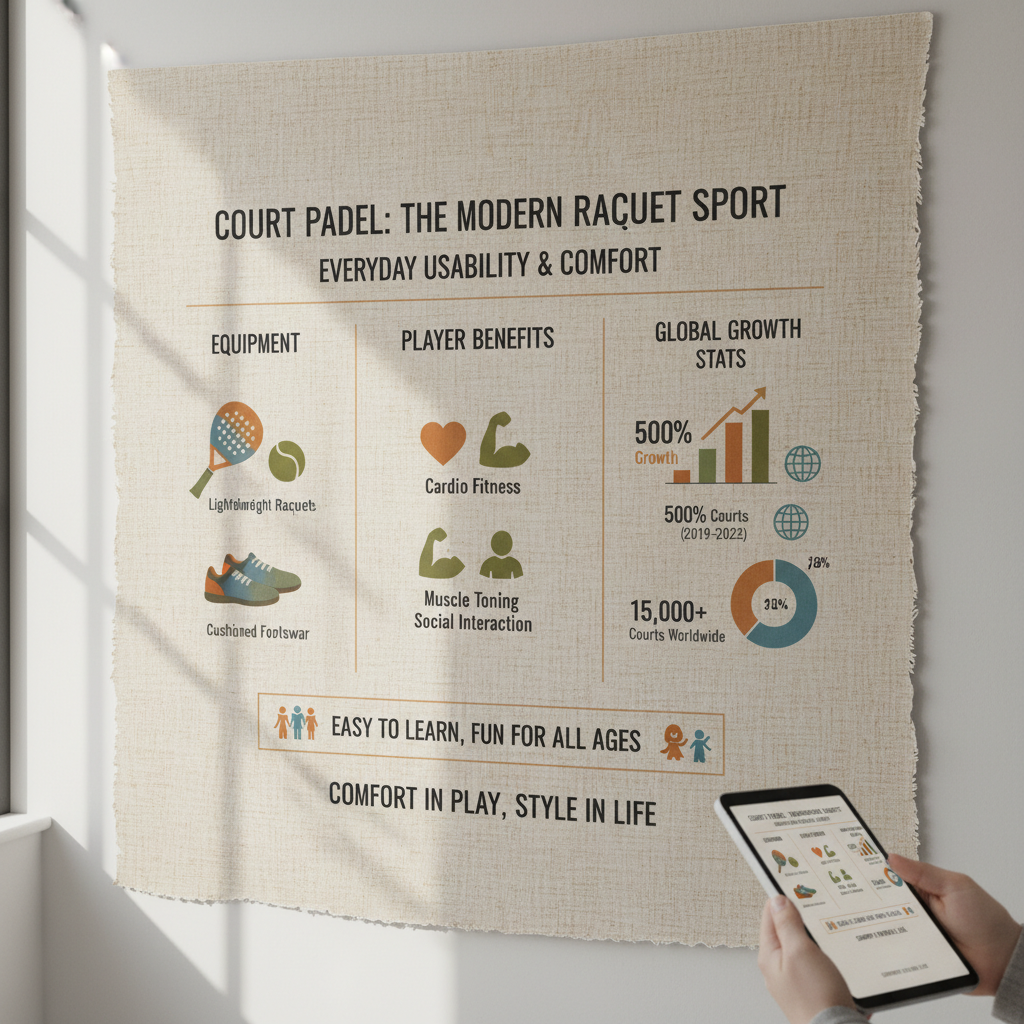
Court padel, a dynamic racquet sport gaining immense global popularity, represents a compelling blend of tennis, squash, and badminton. Its unique enclosed court, constructed with walls that are integral to gameplay, fosters a fast-paced and strategically rich experience. This accessibility and engaging nature have fueled its rapid expansion, transforming it from a niche sport to a mainstream activity enjoyed by millions worldwide.
The growing interest in court padel isn’t merely recreational; it’s driven by a rising demand for inclusive sports options and opportunities for social engagement. The relatively small court size and emphasis on teamwork make it ideal for diverse skill levels and age groups. Furthermore, the sport’s inherent adaptability to various climates and terrains expands its reach, making it a viable option in regions where traditional tennis facilities are limited.
Understanding the nuances of court padel—from its technical aspects to its socio-economic impact—is becoming increasingly valuable. The sport's rapid growth presents opportunities for investment, innovation, and community building. Exploring these aspects unlocks a deeper appreciation for the sport and its potential for continued success.
The Fundamentals of Court Padel
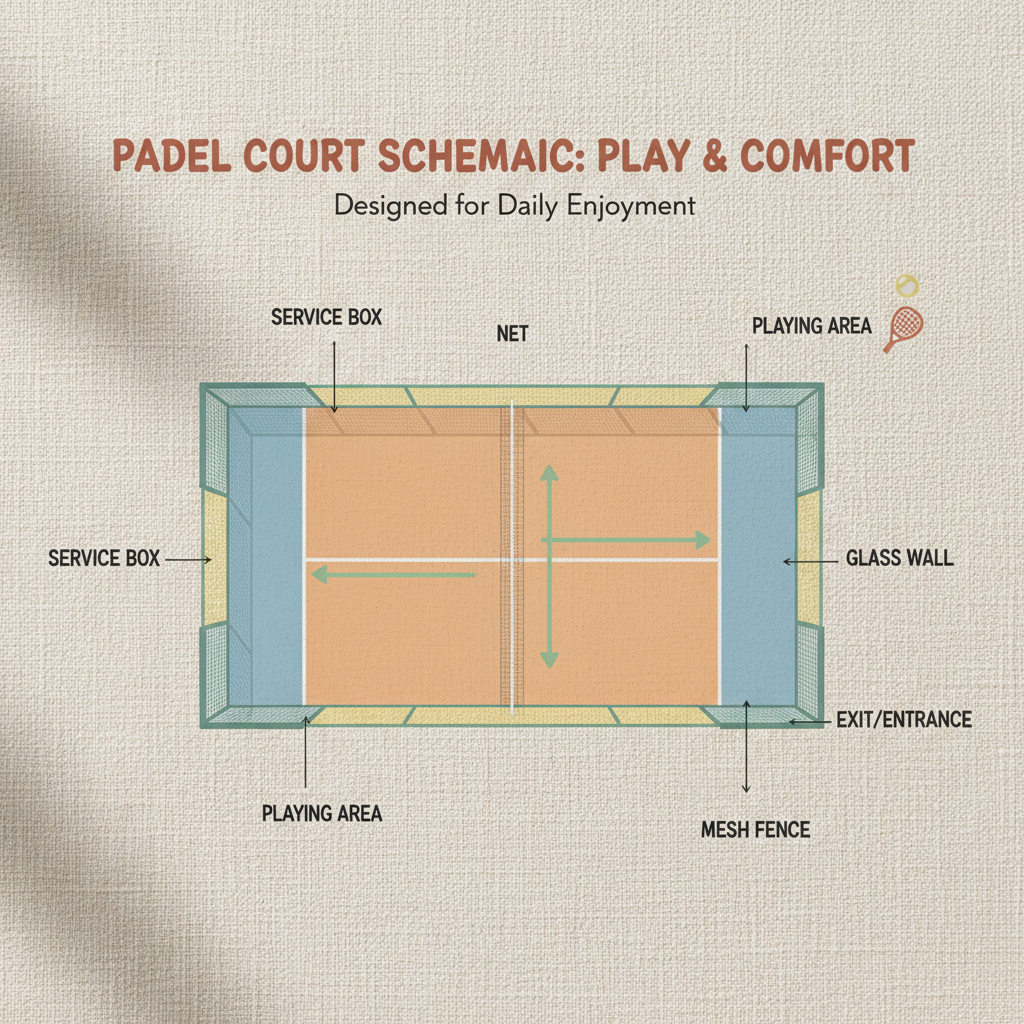
At its core, court padel differs significantly from tennis through the use of glass and mesh-enclosed courts. These walls become an active element of the game, enabling players to utilize bank shots and extend rallies. The lower net height and specialized padel racquet also contribute to a distinct playing style that rewards precision and strategic court positioning.
The scoring system in court padel closely mirrors that of tennis, with slight variations in tie-break rules. However, the rules regarding service—where the ball must be bounced once before being struck—and the allowance of playing the ball off the glass walls are unique to the sport, creating a dynamic and unpredictable game environment.
Historical Development of Court Padel
Court padel originated in Mexico in 1969, created by Enrique Corcuera. Initially conceived as a scaled-down tennis court within his estate, it quickly gained traction amongst friends and family. The initial design was simple, using materials readily available to build the first court padel enclosure.
The sport's popularity spread to Argentina in the 1970s, where it experienced substantial growth, and further expansion to Spain and other European countries in the 1990s. The establishment of the World Padel Tour in 2013 marked a pivotal moment, solidifying the sport’s professional structure and driving its global reach.
Today, court padel continues to evolve, incorporating advancements in racquet technology, court surfacing, and training methodologies. The International Padel Federation (FIP) plays a vital role in governing the sport and promoting its development worldwide, establishing standardized rules and facilitating international competitions.
Construction Materials and Court Design
The construction of a court padel court typically involves a steel structure supporting tempered glass walls and galvanized mesh panels. The flooring is usually comprised of artificial turf laid over a concrete or asphalt base, providing both cushioning and grip. The choice of materials significantly impacts the court’s playability and longevity.
Modern court padel courts increasingly utilize specialized artificial turf designed to minimize injuries and enhance ball bounce consistency. The glass walls, typically 10 or 12mm thick, are treated with protective coatings to enhance safety and reduce the risk of breakage. Proper ventilation within the enclosed court is also crucial to maintain comfortable playing conditions.
Court dimensions are standardized by the FIP, ensuring fair play across all levels of competition. The rectangular court measures 20 meters in length and 10 meters in width. The net is positioned centrally, dividing the court into two equal halves. Careful attention to these dimensions is paramount when constructing a new court padel facility.
Key Performance Indicators in Court Padel
Assessing the performance of a court padel court requires evaluating several key indicators. These encompass structural integrity, surface quality, player safety, and long-term durability. Regular inspections and maintenance are critical to maintaining optimal performance standards.
Factors such as ball bounce consistency, resistance to weather conditions, and the effectiveness of the drainage system all contribute to the overall playability of the court. Monitoring these KPIs ensures a high-quality playing experience for users.
Court Padel Performance Metrics
Global Distribution and Regional Variations
While originating in Mexico, court padel has experienced its most substantial growth in Europe, particularly in Spain and increasingly in France, Italy, and Portugal. These nations boast the highest concentration of court padel clubs and players worldwide. The sport’s popularity is rapidly expanding across Latin America as well, with Argentina leading the way.
Regional variations in playing style and court construction techniques do exist. In some regions, courts may be fully enclosed, while others feature partially open designs. The prevalence of specific turf types and glass wall thicknesses also varies depending on local climate conditions and construction standards.
The Socio-Economic Impact of Court Padel
The surge in court padel’s popularity has generated significant economic benefits, creating jobs in construction, maintenance, and instruction. The demand for court padel facilities stimulates investment and contributes to local economic growth.
Beyond the economic impact, court padel fosters social cohesion by providing a welcoming and accessible sporting environment for people of all ages and skill levels. The sport’s emphasis on teamwork and sportsmanship promotes positive social interactions and community building.
The increased participation in physical activity associated with court padel also contributes to improved public health and well-being, reducing healthcare costs and enhancing quality of life.
Maintenance and Longevity of Court Padel Facilities
Regular maintenance is critical to ensuring the longevity and optimal performance of court padel facilities. This includes routine cleaning of the court surface, inspection of the glass walls for cracks or damage, and maintenance of the drainage system.
Periodic replacement of the artificial turf is also necessary, typically every 5-10 years depending on usage and quality. Addressing minor repairs promptly prevents them from escalating into more significant and costly issues.
Implementing a preventative maintenance schedule, coupled with professional inspections, extends the lifespan of a court padel court and maximizes its return on investment.
Key Aspects of Court Padel Facility Maintenance
| Maintenance Task |
Frequency |
Estimated Cost (USD) |
Impact on Court Performance |
| Surface Cleaning |
Weekly |
$20 - $50 |
Maintains ball bounce and prevents injuries |
| Glass Wall Inspection |
Monthly |
$10 - $30 |
Ensures player safety and prevents court downtime |
| Drainage System Check |
Quarterly |
$50 - $100 |
Prevents water damage and maintains court usability |
| Turf Brushing/Debris Removal |
Bi-Weekly |
$30 - $60 |
Improves footing and extends turf lifespan |
| Minor Glass Repair (small chips) |
As Needed |
$100 - $300 |
Prevents larger cracks and ensures safety |
| Full Turf Replacement |
Every 5-10 Years |
$5,000 - $10,000 |
Restores optimal playing surface and longevity |
FAQS
While both sports utilize racquets and balls, court padel distinguishes itself through its enclosed court, allowing for strategic play off the walls. The padel racquet is shorter and has a perforated surface, affecting ball speed and control. The service is also different, requiring a bounce before striking, and the court dimensions are smaller, creating a more compact and fast-paced game. These elements contribute to a unique playing experience, making court padel accessible to a wider range of skill levels.
The cost of building a court padel court varies significantly based on location, materials, and construction complexity. Generally, you can expect to spend between $25,000 and $60,000 for a standard court, including materials, labor, and installation. Factors like site preparation, lighting, and landscaping can increase the overall cost. Choosing high-quality materials and experienced contractors is crucial for ensuring a durable and safe playing surface.
Regular maintenance is vital for extending the lifespan and optimal performance of a court padel court. This includes weekly cleaning of the artificial turf, monthly inspections of the glass walls for cracks, and quarterly checks of the drainage system. Periodic turf brushing and debris removal are also essential. More significant maintenance, such as turf replacement, may be needed every 5-10 years depending on usage.
Absolutely! Court padel provides a fantastic full-body workout. The dynamic nature of the game, combined with the use of the walls, requires quick reflexes, agility, and endurance. Players engage a variety of muscle groups during rallies, enhancing cardiovascular fitness, strength, and coordination. It's a fun and effective way to stay active and improve overall health.
A key aspect of court padel is the ability to play the ball off the glass or mesh walls. The ball can bounce on the court once before being played off the wall, and after hitting a wall, it must still bounce on the court once before being returned. You can play the ball off the wall as many times as you wish during a rally, adding a strategic dimension to the game. However, the ball cannot touch the same wall twice in succession.
Several exciting trends are shaping the future of court padel. Increased investment in professional tours and standardized court construction are driving growth. Technological advancements, such as smart courts with integrated scoring systems, are also emerging. Sustainability considerations are leading to the development of eco-friendly turf materials and construction practices. Furthermore, the sport's growing accessibility promises a broader appeal across diverse demographics.
Conclusion
Court padel represents a dynamic and rapidly evolving sport with a compelling blend of athleticism, strategy, and social engagement. From its humble beginnings in Mexico to its global expansion, court padel continues to captivate players and enthusiasts alike. Understanding its unique characteristics—the enclosed court, the specialized equipment, and the strategic gameplay—is crucial for appreciating its appeal and potential.
Looking ahead, court padel is poised for continued growth, fueled by ongoing investment, technological innovation, and increasing public awareness. The sport’s accessibility and inclusive nature position it as a promising avenue for promoting physical activity, fostering community, and driving economic development. Visit our website at www.yocoolcn.com to learn more about court padel and explore the opportunities it offers.



 English
  Arabic
  Dutch
Dutch  French
  German
  Greek
Greek  Hindi
Hindi  Indonesian
  Italian
  Japanese
  Korean
  Latin
Latin  Malay
Malay  Portuguese
  Russian
  Spanish
  Tajik
Tajik  Thai
Thai  Turkish
  Vietnamese