The global surge in racquet sports has brought a fascinating convergence of athletic disciplines, most notably seen in the rise of padel squash hybrids and the simultaneous growth of both sports. For facility owners and athletes, understanding the intersection of these two high-intensity games is crucial for optimizing space, maximizing player engagement, and implementing the right flooring and wall technologies.
Integrating the fast-paced dynamics of padel with the enclosed intensity of squash creates a unique opportunity for sports complexes to diversify their offerings. Whether it is through multi-purpose court design or the adoption of advanced PVC sports floors, the goal is to provide a seamless transition between the strategic play of padel squash environments and traditional competitive standards.
From a manufacturing perspective, the challenge lies in balancing the impact absorption required for squash with the durability and bounce characteristics needed for padel. By leveraging E-E-A-T principles in court engineering, we can ensure that these facilities are not only commercially viable but also safe and sustainable for long-term athletic use.
Global Industry Context of Padel Squash
The global landscape for racquet sports is shifting toward versatility. With the International Padel Federation (FIP) reporting exponential growth in player numbers across Europe and the Americas, and squash maintaining a strong foothold in Asia and the Middle East, the concept of padel squash integration has become a strategic priority for urban developers.
Industry data suggests that multi-sport facilities can increase their ROI by up to 30% when they offer interchangeable or hybrid court options. The primary challenge, however, is meeting the stringent ISO standards for surface friction and wall rebound, which vary significantly between the glass-walled padel courts and the high-pressure environments of all-glass squash courts.
Defining the Padel Squash Synergy
At its core, padel squash refers to the conceptual and physical blending of two distinct racquet sports to create a more accessible, social, and versatile sporting environment. While squash is traditionally a high-intensity, enclosed game of power and precision, padel introduces a social, doubles-oriented dynamic with a modified court size and glass walls.
The synergy between these two is found in the infrastructure. By utilizing shared materials—such as reinforced tempered glass and high-grade rubber flooring—manufacturers can create facilities that cater to both demographics. This convergence addresses the humanitarian need for inclusive fitness, allowing people of varying athletic abilities to engage in racquet sports within the same venue.
Modern industry needs now demand "smart" courts that can be adapted for different playstyles. This means designing court shells that support the specific ball bounce of a padel match while maintaining the structural integrity required for the aggressive wall-hitting common in squash.
Core Components of High-Performance Courts
Durability is the first pillar of any padel squash installation. Using All Glass Squash Court technology ensures that the walls can withstand high-velocity impacts without compromising structural safety, while PVC sports floors provide the necessary grip to prevent joint injuries during rapid lateral movements.
Scalability is equally important for commercial operators. By adopting modular court designs, a facility can start with a single padel court and expand into a full-scale padel squash complex, integrating pickleball and other racquet sports as the local demand grows.
Cost efficiency is achieved through the use of unified materials. For instance, utilizing a single high-performance rubber floor across both squash and padel areas reduces installation costs and streamlines long-term maintenance, ensuring the facility remains operational with minimal downtime.
Practical Applications in Modern Sports Hubs
In real-world contexts, padel squash facilities are being deployed in diverse settings, from luxury resorts in Dubai to community wellness centers in Scandinavia. In dense urban areas, these hybrid courts allow developers to maximize limited square footage, providing multiple sporting experiences within a single footprint.
For example, in remote industrial zones or corporate campuses, the installation of prefabricated padel and squash courts serves as a vital tool for employee mental health and physical wellness. These installations often utilize rapid-deployment PVC flooring to ensure the space can be operational within days rather than months.
Performance Metrics for Padel Squash Court Types
Long-Term Value and Social Impact
The long-term value of investing in padel squash infrastructure extends beyond simple revenue. By providing a safe, high-quality environment, facility owners foster a sense of community and trust. The emotional angle of sports—competition, camaraderie, and achievement—is amplified when the facility reflects a commitment to innovation and player safety.
Sustainability also plays a key role. Modern rubber floors and recycled PVC materials used in these courts reduce the environmental footprint of sports construction. This alignment with green building standards not only appeals to eco-conscious consumers but also ensures the facility remains compliant with evolving global environmental policies.
Future Trends in Court Technology
We are entering an era of "Digital Courts," where padel squash environments are being integrated with IoT sensors and AI-driven analytics. Future courts will likely feature embedded sensors in the flooring to track player movement and heat maps, providing real-time coaching feedback and enhancing the professional training experience.
Material science is also evolving. We expect to see the introduction of self-healing polymers in PVC sports floors and ultra-lightweight, high-impact composite glass for wall structures. These innovations will further reduce the cost of installation and maintenance while increasing the longevity of the courts.
Furthermore, the trend toward "hyper-modular" design will allow courts to be reconfigured in hours. A space could transform from a professional squash tournament arena into a social padel club, maximizing the utility of the real estate through automated mechanical adjustments.
Overcoming Implementation Challenges
One of the most common limitations in current padel squash setups is the conflict between acoustic management and structural rigidity. Glass walls tend to amplify sound, which can be disruptive in multi-court complexes. The solution lies in the use of acoustic dampening layers and strategic court placement to minimize noise pollution.
Another challenge is the variance in surface friction. A floor that is too grippy may cause ankle injuries in squash, while one that is too slick is dangerous for padel. Expert insight suggests a "zoned" flooring approach, where transition areas use a hybrid rubber-PVC blend to balance traction and glide.
Finally, importing these heavy-duty materials internationally can be a logistical hurdle. By partnering with manufacturers who offer standardized, containerized kits, NGOs and private developers can streamline the import process, ensuring that court components arrive ready for rapid assembly.
Comparative Analysis of Padel Squash Facility Configurations
| Configuration Type |
Durability Score |
Installation Speed |
Maintenance Cost |
| All-Glass Hybrid |
9/10 |
Moderate |
Low |
| PVC Modular |
7/10 |
Very Fast |
Medium |
| Rubber Base Pro |
10/10 |
Slow |
Very Low |
| Eco-Composite |
8/10 |
Fast |
Medium |
| Urban Compact |
6/10 |
Very Fast |
Medium |
| Tournament Grade |
10/10 |
Moderate |
Low |
FAQS
Padel is typically played in doubles on a larger court with glass walls and a fence, using a perforated racket. Squash is usually a singles game played in a smaller, fully enclosed room where the ball must hit the front wall. A padel squash hybrid approach seeks to balance these dynamics for facility versatility.
Yes, high-grade PVC sports floors are excellent for both. They provide the necessary shock absorption for the high-impact jumps in squash and the lateral stability required for padel. Ensure the floor is rated for multi-sport use to maintain optimal friction levels.
Depending on the foundation, a prefabricated all-glass court can be installed in 7 to 14 days. Using modular components significantly speeds up the process compared to traditional concrete construction.
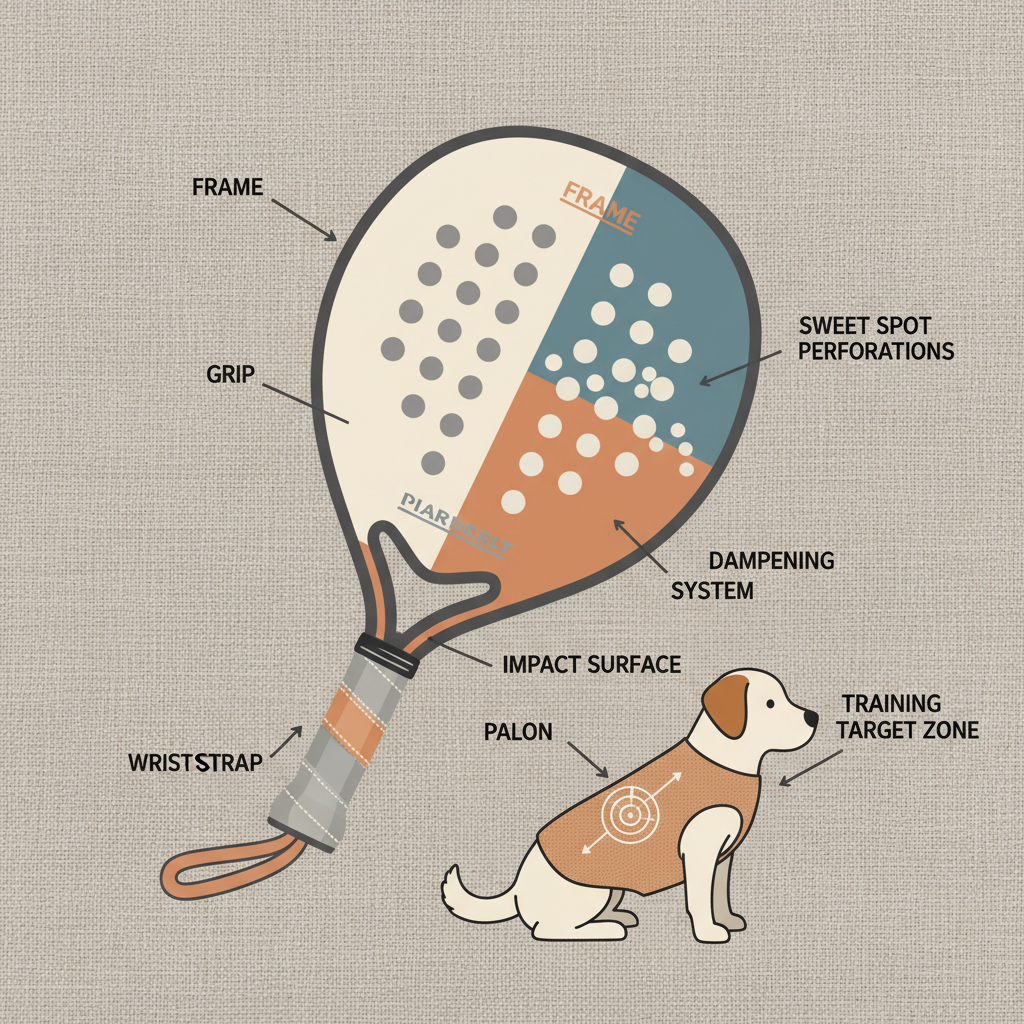
While the court infrastructure can be compatible, the rackets and balls are different. Padel uses a solid carbon/fiberglass racket and a lower-pressure ball, whereas squash uses a stringed racket and a high-bounce rubber ball.
Regular cleaning with non-abrasive solutions is essential. To prevent scratches, we recommend tempered glass with a reinforced coating. Inspecting the seals and mounts quarterly ensures the structural integrity of the padel squash environment.
Many of our modern solutions use recycled rubber and phthalate-free PVC, significantly reducing the carbon footprint. Modular designs also reduce waste during installation and allow for easier decommissioning and recycling at the end of the product life cycle.
Conclusion
The evolution of padel squash infrastructure represents a broader trend toward athletic versatility and commercial efficiency. By integrating high-durability glass walls, shock-absorbing PVC flooring, and modular design principles, facility owners can create inclusive spaces that cater to a wide demographic of athletes while ensuring long-term sustainability and high ROI.
Looking forward, the integration of smart technology and sustainable materials will continue to redefine how we experience racquet sports. We encourage developers and sports enthusiasts to prioritize quality and flexibility in their court selections to stay ahead of global trends. For professional installation and high-performance equipment, visit our website: www.yocoolcn.com.


 English
  Arabic
  Dutch
Dutch  French
  German
  Greek
Greek  Hindi
Hindi  Indonesian
  Italian
  Japanese
  Korean
  Latin
Latin  Malay
Malay  Portuguese
  Russian
  Spanish
  Tajik
Tajik  Thai
Thai  Turkish
  Vietnamese