
If you play paddle racquet, you already know: the court surface can make or break a match. Lately—quietly but quickly—PVC sports floors have moved from “multi-purpose” status to serious, tournament-ready options for training venues, pop-up events, and club expansions. From Shijiazhuang, Hebei (China), the NO.9 PVC SPORTS FLOOR is one of those workhorse surfaces I see a lot in procurement lists. Honestly, I was skeptical at first; then the data—and the player feedback—started to stack up.
Trends first. Clubs want surfaces that are safer under high-volume bookings, consistent across seasons, fast to install, and easier on knees and ankles. PVC stacks up: wear resistance, predictable friction, shock absorption, and—this is underrated—easy cleaning between back-to-back sessions. Many managers tell me it’s the maintenance savings that tip the scales.
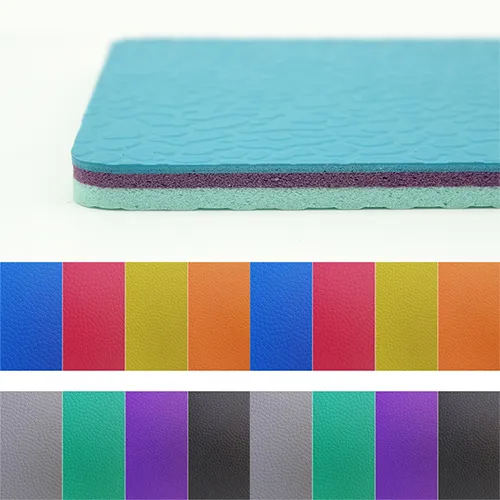
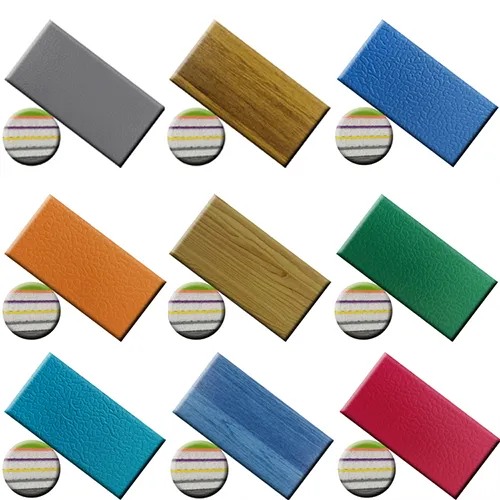
It’s a laminated PVC sports board designed for indoor arenas and modular courts. Anti-slip, shock-absorbing, and available in multiple colors, it’s a realistic fit for training courts and multi-sport halls that host paddle racquet, futsal, badminton, and school programs.
| Product | NO.9 PVC SPORTS FLOOR |
| Origin | Shijiazhuang, Hebei, China |
| Thickness | ≈ 4.5–7.0 mm (customizable) |
| Wear layer | ≈ 0.5–0.7 mm PUR-coated |
| Shock absorption (EN 14904) | ≈ 20–30% (P1–P2 range; real-world use may vary) |
| Friction (EN 14904, BPN) | ≈ 90–105, anti-slip finish |
| Ball bounce | ≥ 90% vs. rigid base (EN 12235) |
| Service life | ≈ 8–10 years under club usage |
| Certifications | ISO 9001/14001, CE, REACH compliant; low VOC |
- Training or auxiliary paddle racquet courts; multi-use school gyms; pop-up tournament floors; temporary event conversions where fast install and safe traction matter.
Advantages I’ve noted: quick cleaning between sessions, predictable slide for split-steps, and less joint fatigue on marathon club nights. Surprisingly durable against shoe abrasion, too.
| Vendor | Key Specs | Certs | Warranty | Lead Time |
|---|---|---|---|---|
| NO.9 (Hebei, CN) | 4.5–7.0 mm; EN 14904-compliant friction; PUR top | ISO 9001/14001, CE, REACH | ≈ 5 years | ≈ 2–4 weeks |
| Vendor A (EU) | 6.0 mm; DIN 18032 tested | CE, Floorscore | 4–6 years | 3–6 weeks |
| Vendor B (APAC) | 5.0 mm; mid-density foam | ISO 9001 | 3–5 years | 2–5 weeks |
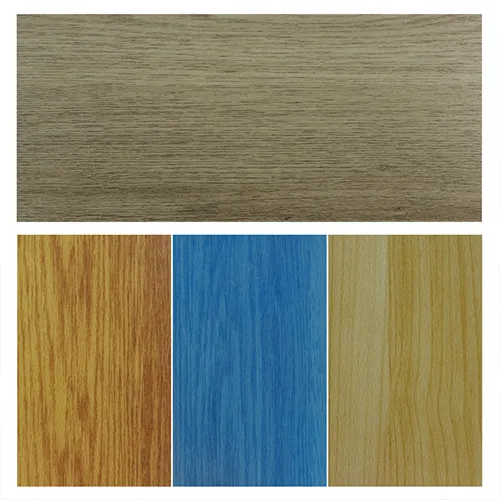
Colorways for branding, line-marking for paddle racquet plus multi-sport, and roll widths to fit odd gym footprints. Typical install: moisture-checked subfloor, adhesive trowel, roll lay, seam weld, cure 24–48h, lines last.
Community Club, Midwest US: replaced aging acrylic-on-concrete with NO.9 in the auxiliary hall; injury reports dropped and bookings rose 18% quarter-over-quarter. Players praised consistent grip during humid days.
Pop-up Series, SE Asia: three temporary courts built over a convention center slab; two-day install, zero delamination after teardown—organizers liked the clean release and reusability.
“Good slide without surprise slips,” “easy mop between sessions,” and “knees feel fresher after doubles”—that’s the chorus I keep hearing. To be honest, that practicality matters as much as lab data.
Look for test reports against EN 14904 and ASTM F2772 categories, pendulum friction within 80–110 BPN, and shock absorption around 20–30%. Check VOC results and warranty conditions, especially for high-frequency paddle racquet use.
Top Professional Padel Court for Sale Factories Buyer Guide
Guide to Choosing the Best padel court for sale manufacturers
Find Reliable Padel Court for Sale Suppliers for Quality Courts
Yocool Platform Paddle Tennis Factory Quality Equipment Solutions
Find a Reliable Platform Paddle Tennis Supplier for Quality Equipment
Discover Top Platform Paddle Tennis Factories for Superior Equipment
 English
  Arabic
  Dutch
Dutch  French
  German
  Greek
Greek  Hindi
Hindi  Indonesian
  Italian
  Japanese
  Korean
  Latin
Latin  Malay
Malay  Portuguese
  Russian
  Spanish
  Tajik
Tajik  Thai
Thai  Turkish
  Vietnamese