When expanding a sports facility, the decision to source wholesale blue padel courts involves more than just selecting a color; it is a strategic choice regarding player experience and facility durability. For club owners and developers in the sports infrastructure sector, the shift toward blue surfaces is not merely aesthetic but aligned with professional touring standards, where high visibility and contrast are essential for high-speed gameplay.
The technical requirements for such courts are stringent, as the interplay between the synthetic turf, the glass enclosure, and the steel frame determines the overall performance. Integrating these elements requires a balance of corrosion resistance and structural rigidity, ensuring that the investment withstands heavy usage and varied climatic conditions without compromising the rebound quality of the ball.
This guide examines the critical specifications and procurement factors for those seeking high-performance installations. By understanding the synergy between materials and manufacturing standards, stakeholders can secure wholesale blue padel courts that meet international regulations while optimizing long-term operational costs.


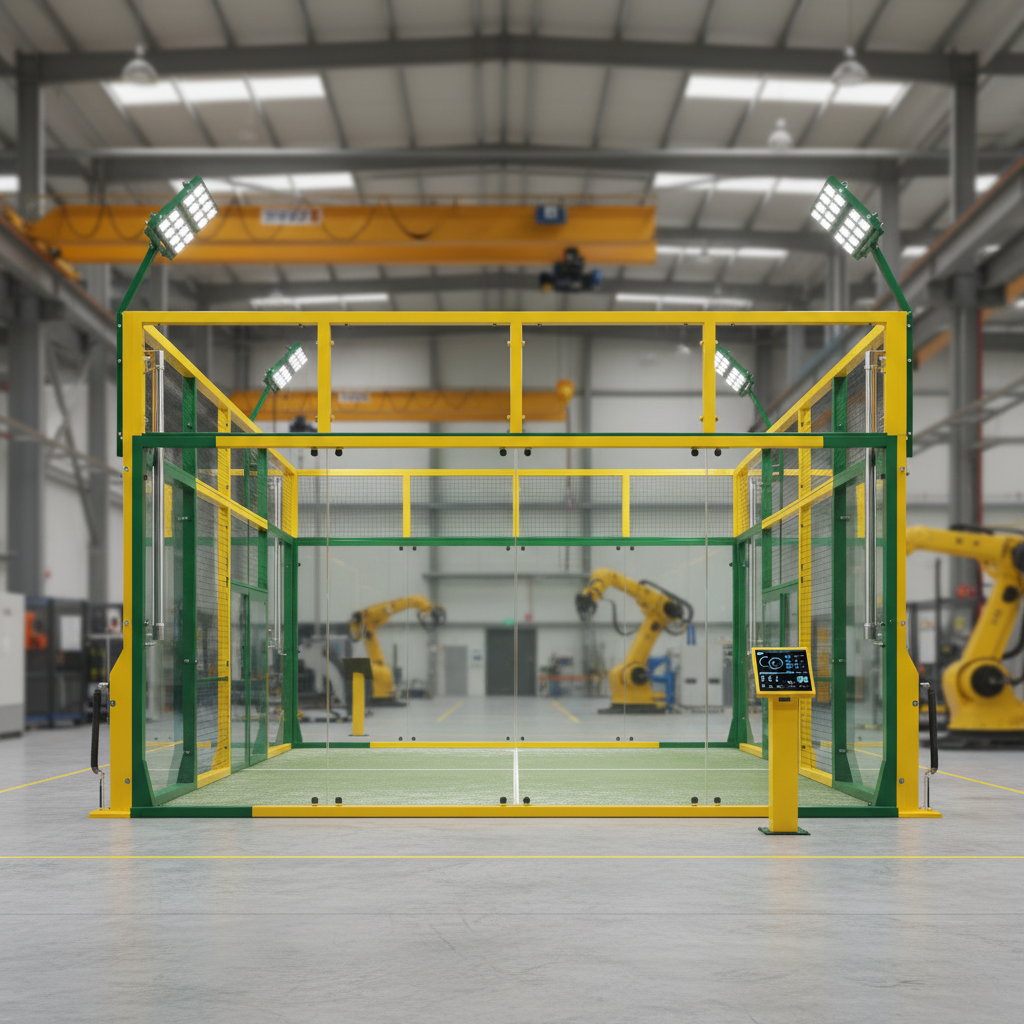
A professional padel court is a complex assembly of a steel frame, tempered glass panels, and specialized synthetic turf. The framework typically utilizes hot-dip galvanized steel to ensure that the 10m x 20m structure remains stable under the dynamic loads produced by players impacting the walls. This structural integrity is the foundation upon which all other performance elements are built.
The enclosure consists of tempered safety glass, which is treated to be significantly stronger than ordinary glass, ensuring it can withstand high-impact collisions while breaking into small granular pieces if compromised. This is paired with monofilament artificial turf, typically 12mm to 15mm in thickness, which provides the necessary traction and ball bounce characteristics required for official competition.
The longevity of a padel court depends heavily on the quality of the steel treatment. Hot-dip galvanizing creates a metallurgical bond between the zinc coating and the steel, providing a powerful defense against rust and oxidation. This is particularly vital for facilities located in humid or coastal environments where saltwater air can rapidly degrade untreated metal.
Combining hot-dip galvanization with a high-quality spray coating ensures the court possesses both structural corrosion resistance and an aesthetic finish that withstands UV exposure and weathering over a 5-year warranty period.
Furthermore, the choice of turf material affects the speed of play and player safety. Monofilament turf is preferred for its stability and crash resistance, reducing the risk of joint injuries while maintaining a consistent ball trajectory. Selecting the official blue color recognized by international bodies like the FIP ensures the court is ready for professional tournaments.
In the context of large-scale sports infrastructure, the total cost of ownership is driven by maintenance intervals. Standard painting often peels or flakes, exposing the steel to moisture. In contrast, a galvanized structure prevents the "creep" of corrosion from edges or joints, effectively extending the time between major refurbishments.
The integration of 1001003mm frame specifications provides the necessary rigidity to prevent frame warping, which is the primary cause of glass panel misalignment and subsequent breakage in lower-quality installations.
By utilizing state-of-the-art spraying technology over a galvanized base, manufacturers can offer a variety of custom colors without sacrificing the protective barrier. This ensures that the blue hue remains vibrant despite constant exposure to the sun, preventing the faded look common in budget-grade courts.
When comparing court types, buyers must analyze the relationship between material thickness and durability. A thicker frame (e.g., 3mm vs 2.5mm) directly correlates with reduced vibration during play, which improves the acoustic quality of the game and the stability of the glass panels.
The following data illustrates the relative impact of different material specifications on the projected service life and maintenance requirements of professional installations.
Commercial sports centers typically deploy multiple courts in a "hub" configuration. In these high-traffic environments, the use of panoramic courts is essential. Panoramic designs maximize visibility for spectators and television broadcasts, transforming a simple sports facility into an entertainment venue that can attract sponsors and high-paying members.
Beyond urban clubs, there is a growing trend of installing these courts in corporate wellness campuses and luxury residential complexes. In these scenarios, customization of color and turf height is often used to align the sports facility with the overall architectural brand of the property, while the high strength of the materials ensures safety for amateur players.
The primary challenge in padel court deployment is the precision of the base foundation. Any unevenness in the concrete slab can lead to stress points in the glass panels, increasing the risk of spontaneous breakage. Professional installation solutions, including detailed drawings and videos, are critical to mitigating these structural risks.
Maintenance focuses on the artificial turf's infill and the tension of the glass bolts. Over time, the sand infill can migrate, affecting the ball bounce. Regular brushing and periodic re-leveling are necessary to maintain the official playing speed and ensure player safety during rapid directional changes.
Logistical challenges also arise during shipping, as tempered glass is highly fragile. Proper packaging in wooden cases and waterproof cloth for the steel beams is the only way to ensure that components arrive at the site without micro-fractures that could fail during the assembly process.
For wholesale buyers, the focus shifts from a single unit's features to the manufacturer's supply capacity and certification standards. ISO9001 and CE certifications are non-negotiable indicators that the production process is standardized and the materials meet international safety laws.
A reliable supplier must offer comprehensive customization, ranging from column size specifications (e.g., 80803mm) to the specific grade of the monofilament turf. This flexibility allows developers to tailor the courts to different playing levels, from community recreational use to professional competition.
Ultimately, the value of a wholesale partnership lies in the after-sales support, including the provision of installation solutions and a multi-year warranty that covers non-human causes, ensuring the facility remains operational with minimal downtime.
| Feature | Standard Grade | Professional Grade | Tournament Grade |
|---|---|---|---|
| Frame Size | 80802.5mm | 1001003mm | 1001003mm+ |
| Steel Finish | Powder Coated | Galvanized + Spray | Hot-Dip Galvanized |
| Turf Type | Standard Fiber | Monofilament | Mondo STX / High-End |
| Glass Type | Tempered | High-Strength Tempered | Certified Safety Glass |
| Warranty | 1-2 Years | 5 Years | 5+ Years |
| Installation | Basic Manual | Design + Video | Full Technical Support |
The blue color provides the highest visual contrast against the yellow padel ball, which is essential for players to track ball speed and trajectory accurately. This standard is widely adopted by the World Padel Tour (WPT) and other official bodies to improve the viewing experience for both players and spectators.
Hot-dip galvanizing involves immersing the steel in molten zinc, creating a chemical bond that protects the metal from the inside out. Standard spray painting is a surface-level application. While painting provides color, only galvanizing prevents deep-seated corrosion and rust, making it critical for outdoor sports facilities.
While the internal playing area must strictly follow the 10m x 20m international standard for official play, the external frame and column specifications can be customized. For example, column sizes can be adjusted to 80803mm or 1001003mm depending on the structural requirements of the site.
A professionally manufactured court using hot-dip galvanized steel and tempered glass typically has a structural lifespan of over 10-15 years. However, the artificial turf usually requires replacement or significant refurbishment every 5 to 8 years, depending on the volume of play and maintenance quality.
12mm to 15mm monofilament turf is the industry standard for commercial clubs. This thickness offers the best balance between durability and ball rebound. Monofilament fibers are more crash-resistant and stable, which reduces turf wear in high-traffic areas like the service zones.
Buyers should prioritize ISO9001 for quality management, ISO14001 for environmental standards, and CE certification for safety and health. These certifications ensure that the materials, such as the tempered glass and steel, meet international safety requirements and that the manufacturing process is consistent.
Investing in professional sports infrastructure requires a meticulous focus on material science and engineering precision. The shift toward high-specification blue courts is driven by the need for professional-grade visibility and long-term structural resilience. By prioritizing hot-dip galvanized steel, tempered safety glass, and certified monofilament turf, facility owners can ensure a safe, high-performance environment that meets the demands of both amateur enthusiasts and professional athletes.
Selecting a partner with a proven track record in global exports and a commitment to international standards is the most effective way to mitigate installation risks and maximize ROI. For those seeking scalable, high-quality solutions for their sports venue, exploring the comprehensive range of facilities at www.yocoolcn.com can provide the technical guidance and manufacturing capacity needed to bring a world-class project to fruition.