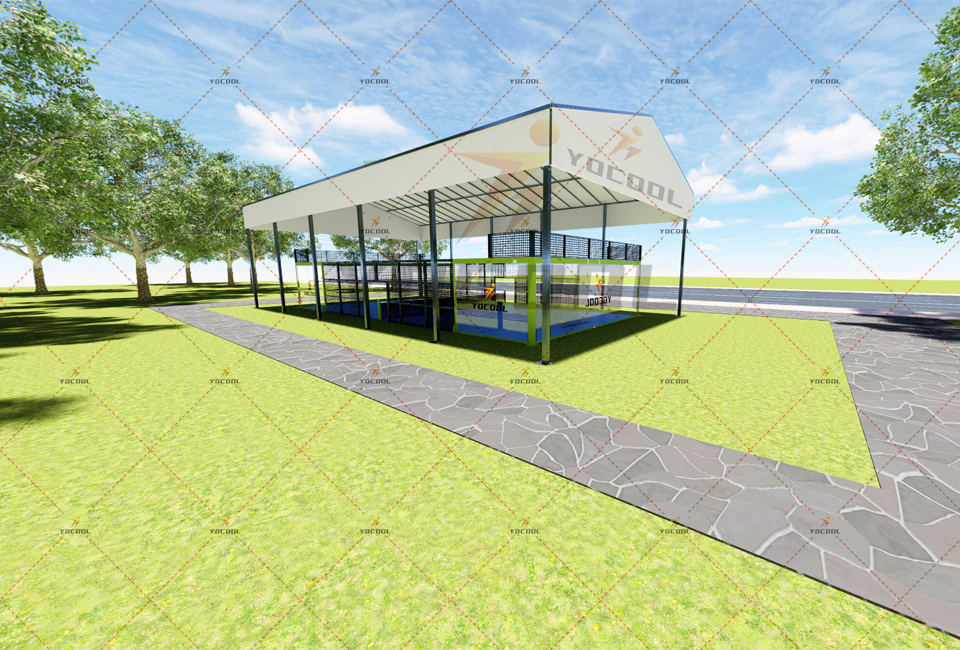
Premium Quality Wholesale All Glass Squash Court Systems
For sports facility developers and club owners, the transition to fully transparent court systems represents a shift toward high-visibility, professional-grade athletics. A panoramic glass squash court not only enhances the spectator experience but also transforms the facility into a modern architectural asset. By eliminating traditional opaque walls, these installations allow for seamless integration into gymnasiums, luxury resorts, and urban sports centers, maximizing natural light and increasing the perceived space of the venue.
When sourcing these facilities, the focus often shifts toward structural integrity and safety certifications. The demand for wholesale all glass squash court solutions typically stems from the need for standardized, durable components that can withstand high-impact play while maintaining crystalline clarity. From the tempering of the glass to the precision of the steel framing, every detail affects the ball's rebound consistency and the overall safety of the athletes.

Engineering Precision in Transparent Court Architecture
The core of a professional glass court lies in the synergy between advanced glazing and structural support. High-impact tempered glass is utilized to ensure that the court can withstand the continuous force of a squash ball moving at high velocities. The thickness and tempering process are critical; any inconsistency can lead to uneven ball behavior or, in extreme cases, structural failure. Modern systems utilize a specialized framing mechanism that minimizes the visual footprint of the supports, providing an almost seamless viewing experience for audiences.
Beyond the glass, the stability of the structure depends on the quality of the fasteners and the precision of the alignment. Engineering a court that is perfectly square is essential for fair play. Any deviation in the wall angles can create "dead spots" or unpredictable bounces, which are unacceptable in competitive environments. Therefore, professional manufacturing processes prioritize CNC-machined components and rigorous quality checks to ensure every panel fits perfectly within the framework.
- Tempered Safety Glass: Specifically treated to resist shattering and withstand high-impact collisions.
- Structural Framework: Heavy-duty steel or aluminum supports designed to eliminate vibration.
- Precision Alignment: Rigorous tolerance standards to ensure consistent ball rebound across all surfaces.

Integrating High-Performance Flooring for Athlete Safety
While the walls provide the visibility, the flooring provides the performance. A professional court requires a surface that balances grip and shock absorption to prevent long-term joint injuries. Rubber flooring has become the gold standard for high-traffic sports venues due to its high friction coefficient and elasticity. For squash players, who execute frequent sudden stops and lateral movements, an anti-slip surface is not just a preference—it is a safety requirement.
The use of EPDM or rubber pellets ensures that the floor remains resilient under pressure. These materials provide essential insulation and shock absorption, which reduces the impact on the ankles and knees during intense rallies. Furthermore, the anti-static properties of modern rubber flooring prevent electrical buildup, which is particularly important in indoor environments with synthetic lighting and HVAC systems. By combining a transparent glass enclosure with a high-performance rubber base, facility managers can create a venue that meets international competition standards.
Strategic Procurement for Sports Complex Developers
Procuring sports infrastructure at scale requires a deep understanding of the supply chain and installation logistics. When looking for a wholesale all glass squash court provider, buyers should prioritize manufacturers who offer a comprehensive package—including lighting, fencing, and flooring—to ensure consistency across the project. Sourcing components from a single reliable partner streamlines the installation process and simplifies long-term maintenance and warranty claims.
Key considerations for procurement managers include the lead time for customized dimensions and the quality of the packaging. Since glass panels are highly fragile, the transport method and tray packaging are critical to avoid on-site breakage. Additionally, verifying certifications such as ISO9001 ensures that the manufacturing process follows global quality management standards, reducing the risk of defective components arriving at the construction site.
Comparison of Court Flooring and Structural Materials
| Material Type | Primary Benefit | Impact Absorption | Recommended Use |
|---|---|---|---|
| Tempered Glass | Maximum Visibility | Low (Rigid) | Exterior Court Walls |
| EPDM Rubber | High Traction | High | High-Impact Play Areas |
| Galvanized Steel | Structural Rigidity | None | Support Framing |
| Rubber Pellets | Eco-Friendly/Elastic | Medium-High | General Sports Venues |
| Aluminum Alloy | Corrosion Resistance | Low | Trim and Fasteners |
Operational Maintenance and Long-Term Durability
Maintaining the aesthetic and functional quality of a glass court requires a specific maintenance regimen. Over time, fingerprints, sweat, and dust can accumulate on the transparent surfaces, reducing visibility and potentially affecting the ball's slide. Professional-grade cleaning agents that do not leave streaks are essential. Furthermore, regular inspections of the glass fasteners are necessary to ensure that vibrations from play have not loosened the structural bolts.
The longevity of the facility also depends on the durability of the flooring. High-traffic areas can experience wear, but using rubber flooring with a high friction coefficient ensures that the surface remains safe for years. Facilities should implement a periodic deep-cleaning schedule for the rubber surfaces to remove embedded debris that could cause abrasive wear on players' shoes. By integrating a proactive maintenance plan, club owners can extend the life of their investment and maintain a premium environment for their members.
The Evolution of Modern Sports Infrastructure Trends
The sports industry is moving toward "hybrid venues"—spaces that can be easily reconfigured for different activities. The trend of utilizing transparent court systems is a part of this evolution, as it allows sports facilities to function as visual centerpieces of a building rather than closed-off rooms. We are seeing an increase in the integration of smart lighting systems within the glass frames, allowing for dynamic color changes during tournaments or commercial events.
Sustainability is also driving material choices. The shift toward recycled rubber materials in flooring reflects a broader commitment to green building practices. As urban spaces become more limited, the ability to install a high-quality squash court in a visually open area makes the sport more accessible and appealing to a wider demographic. The future of sports infrastructure lies in the intersection of high-performance engineering, environmental responsibility, and architectural transparency.
Frequently Asked Questions Regarding Glass Court Systems
What makes tempered glass suitable for squash courts?
Tempered glass is used because it undergoes a process of extreme heating and rapid cooling, which increases its strength and ensures that if it does break, it shatters into small, blunt pieces rather than sharp shards, significantly increasing player safety.
How does rubber flooring improve player performance?
Rubber flooring provides a high friction coefficient for better grip during sudden pivots and offers shock absorption that reduces the impact on joints, lowering the risk of injury during high-intensity matches.
Are these glass courts customizable in size?
Yes, most professional manufacturers offer customization for both the glass dimensions and the flooring size to fit the specific architectural requirements of the venue.
What certifications should I look for in a supplier?
Look for ISO9001 for quality management, ISO14001 for environmental standards, and CE or SGS certifications to ensure the materials meet international safety and performance benchmarks.
How is the glass transported to prevent breakage?
Glass panels are typically secured in specialized heavy-duty trays and reinforced packaging to prevent movement and pressure points during international shipping.
Can these courts be installed in outdoor environments?
While designed for indoor use, they can be installed in semi-outdoor areas provided there is a roof and the framing materials are treated for corrosion resistance, such as using hot-dip galvanized steel.
Technical and Industry Resources
- World Squash Federation Standards
- ISO International Quality Standards
- European Conformity (CE) Guidelines
- SGS Material Testing and Certification
Investing in high-end sports infrastructure requires a balance of technical precision and commercial viability. By focusing on material quality and supplier expertise, you can ensure a world-class experience for athletes and spectators alike.
Related Sports Infrastructure Insights